Seeking New Opportunities Through Collaborative Corn Research
Research answers the “what if” questions that lead to new uses, new markets, new opportunities and new ways to grow corn even more efficiently and sustainably.
NCB research dollars are continually seeking new opportunities for corn farmers. What is the “next” ethanol? The emerging new use for corn that will again change the game for Nebraska farmers? What breakthrough will lead to significant change in the way farmers grow their crops, to use even less water, less fertilizer?
The majority of Nebraska Corn research dollars are invested in partnership with the Institute of Agriculture and Natural Resources at the University of Nebraska-Lincoln. Nebraska Corn also collaborates on research projects with fellow corn states, cooperators and other stakeholders.
Research Priorities
Enhancing Demand & Adding Value
Nebraska’s corn farmers have the ability to grow more corn than consumers can currently utilize
as food, fuel or feed. In order to sustain the economic viability of corn farmers, it is critical that
we discover new uses and markets for Nebraska’s corn crop that meet the needs of a growing
and evolving world. NCB seeks to encourage research that will give the highest return to
Nebraska corn producers through:
- Innovative research to find new uses for corn and corn products
- Identify value-added uses of the chemicals/components of corn
- Corn focused projects that result in commercialization of corn-based products or technology
- Expanding/developing commercially significant markets for corn utilization
Ensuring Sustainability
Nebraska corn farmers are faced with the challenge of producing crops necessary to meet local,
national and international demands while maintaining the quality and quantity of resources for future generations. NCB supports research leading to regionally integrated system of plant and
animal production practices designed to produce long-term results such as:
- Sustained economic viability of corn production in Nebraska
- Improved efficiency of inputs
- Enhanced carbon sequestration and improved measurement, reporting and verification
- Minimizing threats from pests and diseases
- Improved quality of surface water and groundwater resources
- Improved soil health
- Increased resilience to changing climate conditions and weather extremes
Supporting Agriculture and STEM Education
The future of farming in Nebraska depends not only on continuing to advance research-based
technologies and production practices, but also on improving consumer appreciation of the
importance of food, fuel and feed production to human and animal health and sustainability.
NCB seeks proposals that include education and outreach as the major components of the research
project. Education and outreach components may include:
- Intentional dissemination mechanisms of educational content and/or research findings to farmers
- Promoting linkages among Pre-K through 12 in STEM (science, technology, engineering and math) disciplines related to food and agricultural sciences
- Teacher preparation and professional development programs
- Communicating agriculture research to non-ag audiences
To learn more about these and other NCB-funded research projects, contact Rachael Whitehair, Director of Innovation & Stewardship at rachael.whitehair@nebraska.gov.
2025 Nebraska Corn Research Report
The Nebraska Corn Board distributes an annual research report that showcases the research portfolio of Nebraska Corn in six core areas of focus: Biotechnology/Industrial Use, Livestock, Nutrient Management, Production Efficiency, Pest Management and Supporting Ag & Stem Education.

Submitting Research RFPs
The Nebraska Corn Board distributes an annual request for proposals (RFP) as a process to collect, review and ultimately decide on proposals to fund. Although we request that proposals be submitted for research during this process, the Nebraska Corn Board will review proposals through the year, should they be submitted outside of the annual RFP process and timeline.
Request for Proposal Informational Sessions
The Nebraska Corn Board Research funding program will release a request for proposals (RFP) in late summer each year and typically offers informational sessions for those interested in:
- Receive an overview of the grant process, including priority areas, timeline and how proposals are evaluated
- Propose research or program ideas to Nebraska Corn Board staff and growers to improve alignment of proposals with RFP priorities
- Ask general questions about the grant process that may assist you in proposal development
Plan to join one of the 2026 NCB RFP Webinars and sign up at the link of your choosing. Attendees must register in advance using the links below:
- Wednesday, October 14, 2026, 9:00 – 10:00 a.m. CST: Registration Link
- Wednesday, October 21, 2026, 2:00 – 3:00 p.m. CST: Registration Link
After registering, you will receive a confirmation email containing information about joining the meeting.
If you are unable to attend either session, the RFP overview portion will be recorded and shared with all registrants. Additionally, interested parties can request a 30 minute consultation with Rachael Whitehair, Director of Innovation & Stewardship, via email at rachael.whitehair@nebraska.gov.
Explore Top Research Projects Current and Recent

Precision Conservation Management
Precision Conservation Management (PCM) was developed by the Illinois Corn Growers Association to address the growing statewide water quality concerns. These challenges are similar to those faced in Nebraska. The Illinois Corn Growers Association employed this initiative to engage with farmers free of charge on practice implementation rooted in real investment returns and agronomic performance. The PCM program collects robust data that allows for aggregated, anonymous comparisons of management strategies as well as associated costs and returns within a region. Its “practices that pencil” approach provides financial analysis to help growers identify the most beneficial practices for their operations. The Nebraska Corn Board is working with PCM through in-state specialists who focus on issues affecting producers across Nebraska.
Precision Education in Spray Technologies Academy
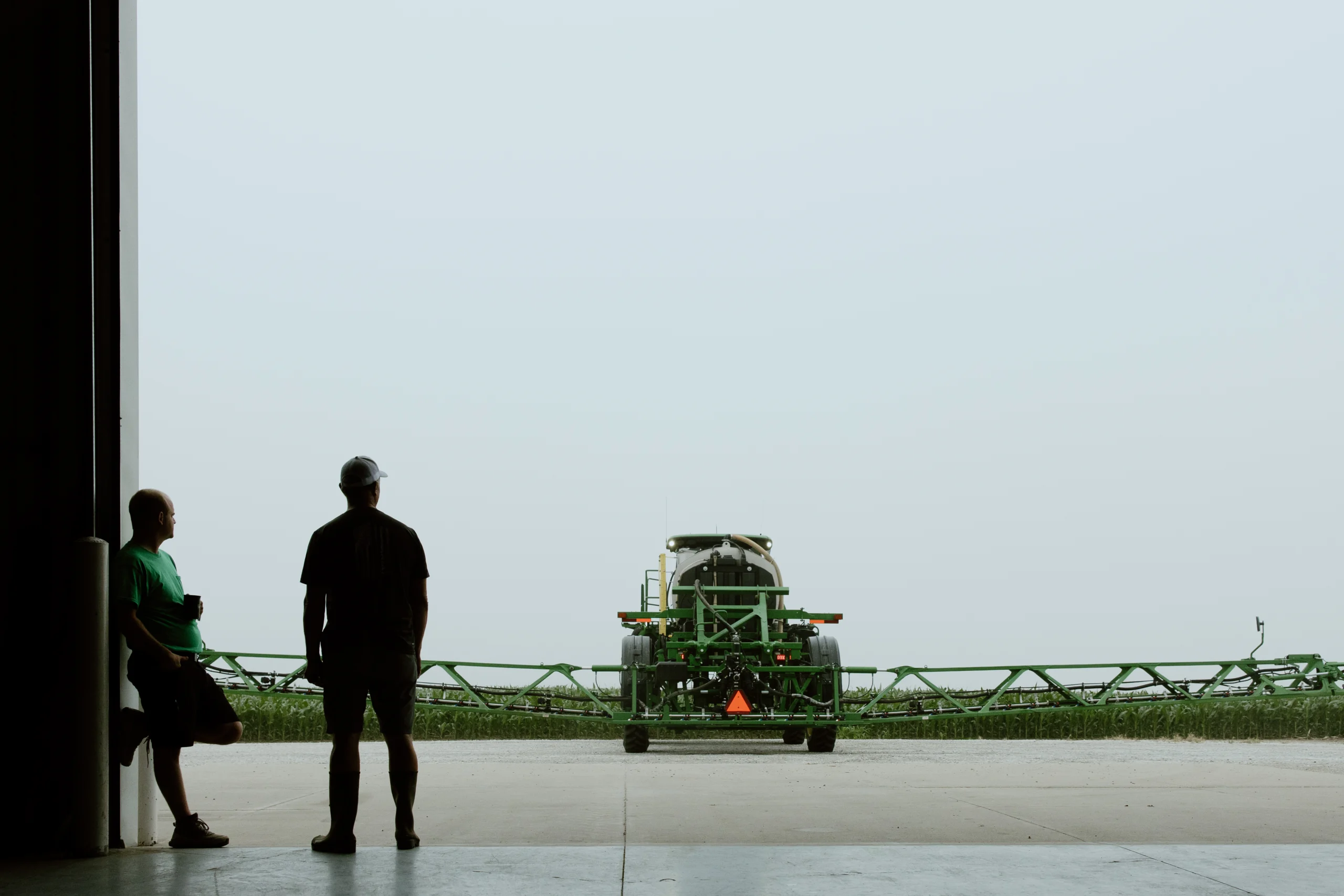
The Precision Education in Spray Technologies (PEST) Academy is a training program designed for growers, applicators and agricultural professionals to gain actionable knowledge and hands-on skills in pesticide application. Optimizing application techniques can reduce costs, improve corn production and minimize environmental impact. In a landscape of increasing weed resistance, rising production costs, and evolving regulatory requirements, this two-day course equips both new and experienced applicators with the tools necessary to succeed. Training covers spray technology, droplet size, nozzle selection and tank-mix optimization, giving participants the latest research and recommendations. Field demonstrations focused on drift reduction, herbicide efficacy and environmental compliance address critical challenges. PEST Academy is tailored to the participant’s needs and has trained hundreds of applicators across Nebraska, supporting the Nebraska Corn Board’s mission of a more sustainable and resilient agricultural economy.
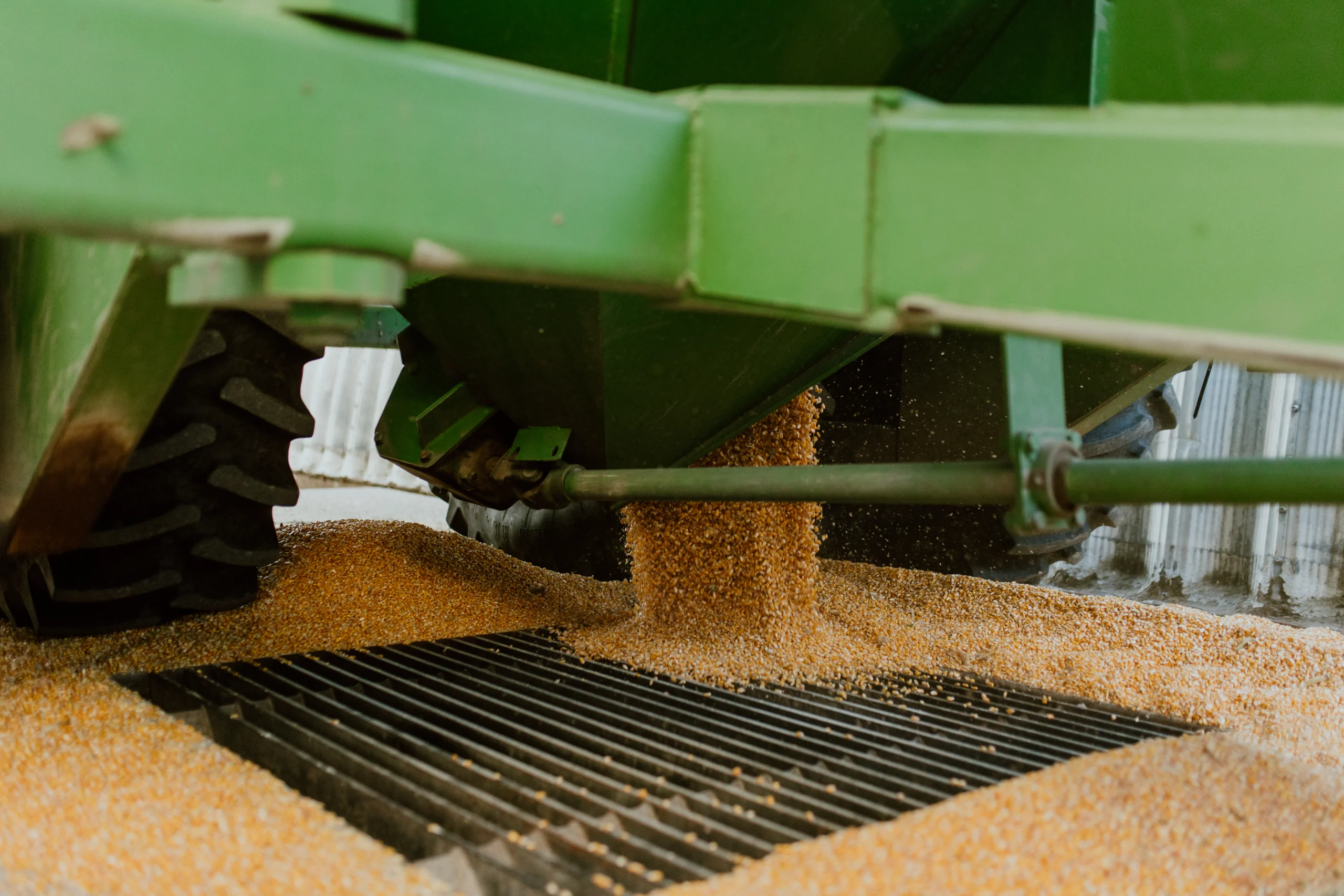
Precision Nutrition in Maize: Designer Arabinoxylans for Modulating the Human Gut Microbiome
Researchers will investigate how genetic variation in maize influences the structure of arabinoxylan (AX), a bran fiber associated with the gut microbiome, satiety, glycemic control, and reduced inflammation through the precision nutrition focus in maize. There are three main objectives: validate genotypes for arabinoxylan expression and structure, conduct human adult dietary intervention trials and breed AX trait into elite maize inbred lines.
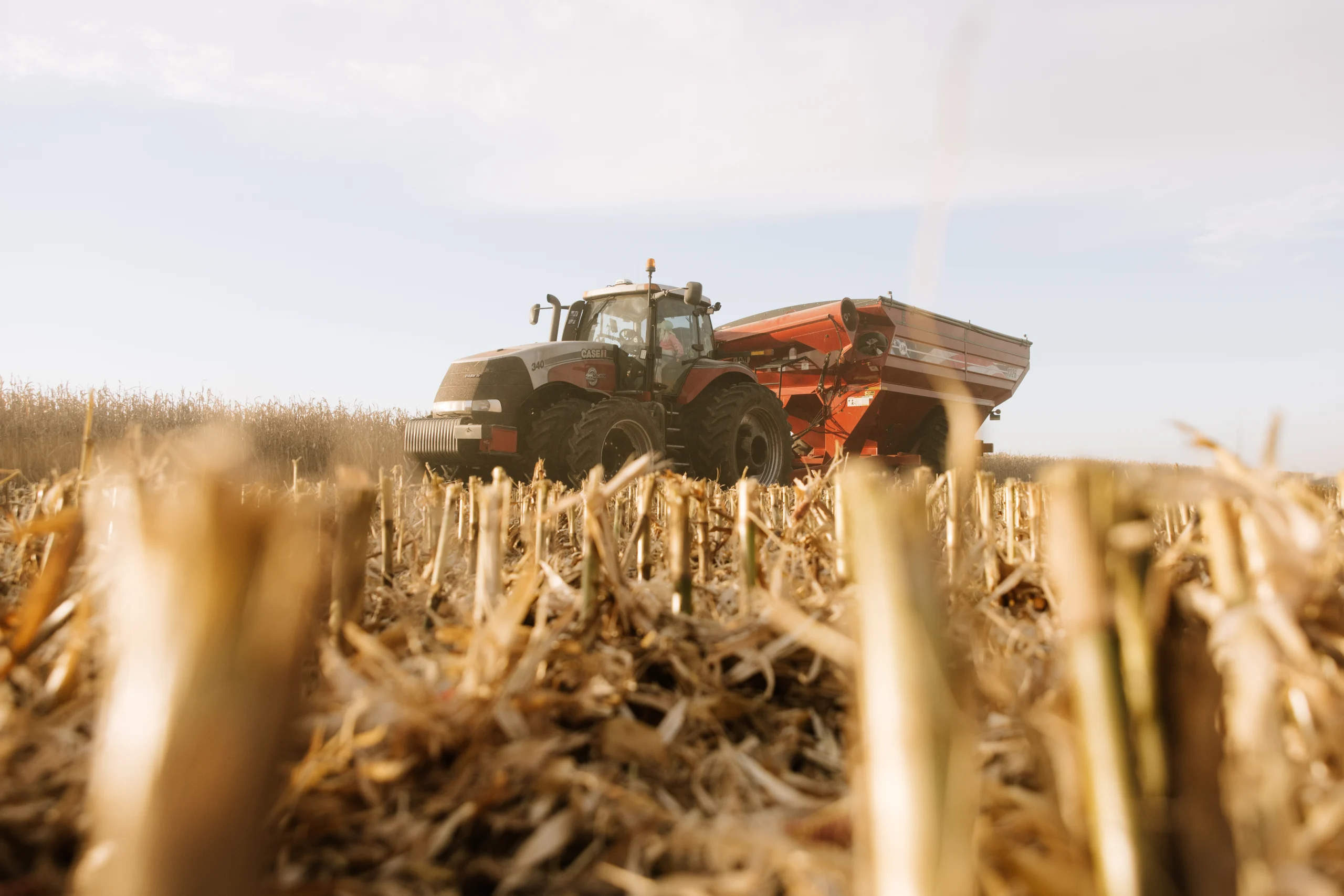
Rearing and Testing Native Entomopathogenic Nematodes to Control Corn Rootworm in Nebraska
Managing western corn rootworm (WCR) has long been a challenge for Nebraska producers. These pests are responsible for nearly $1 billion in crop losses annually and have shown resistance to many conventional insecticides. This project explores the use of entomopathogenic nematodes (EPNs), tiny, pest-controlling worms, as a biological method for controlling WCR. To fully realize EPN potential in Nebraska corn fields, a collaborative team of researchers is mapping and monitoring beneficial EPN populations in Nebraska corn fields. Using innovative tools such as metabarcoding, the team has discovered two new native EPN strains in Nebraska soils. Their work has been instrumental in developing EPN as a potential new, cost-effective option for controlling corn rootworm.
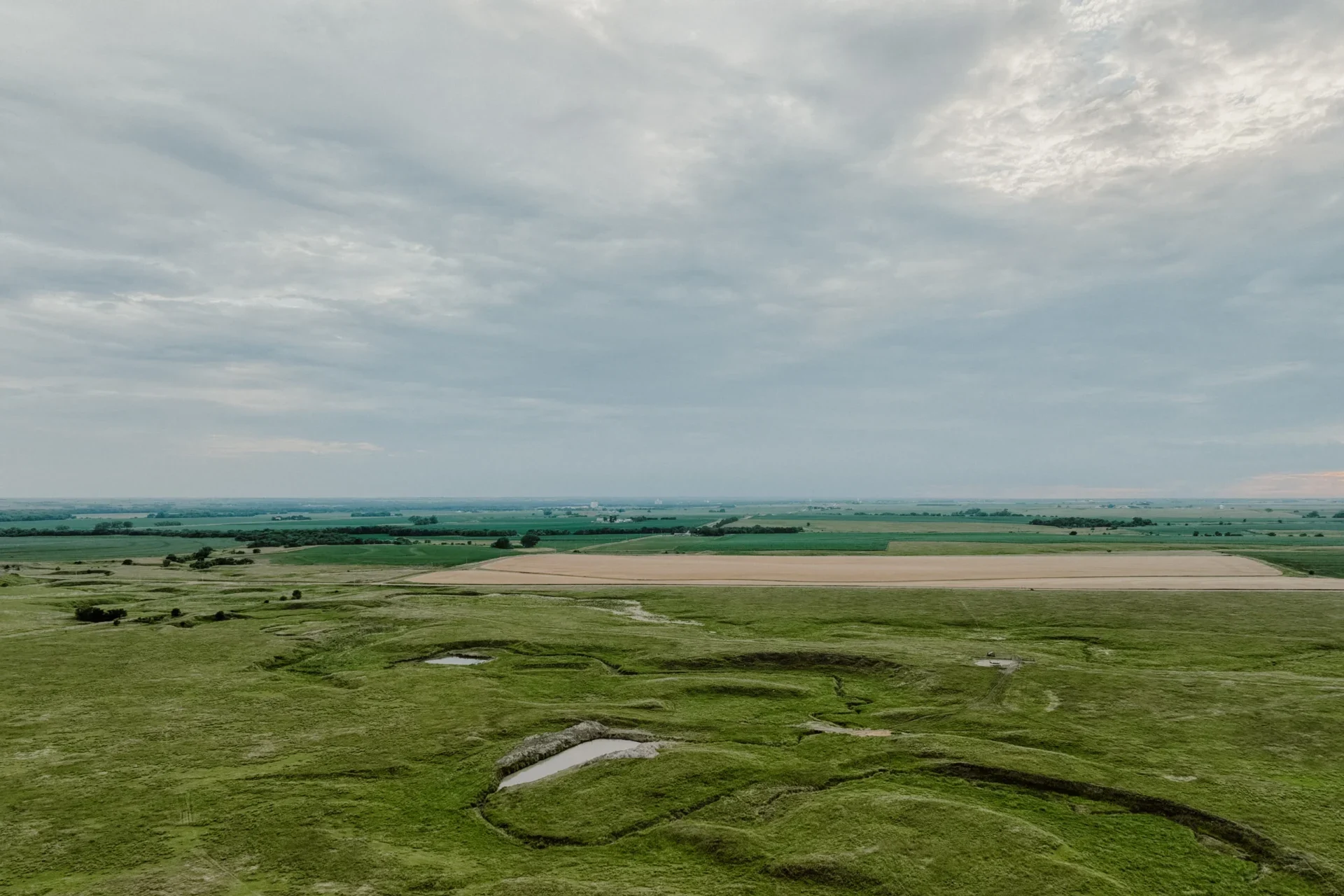
Remediation of Nitrate Plume Within the Vadose Zone- Being Proactive to Protect Groundwater
Protecting groundwater quality is essential to improving the sustainability of corn production. This initiative pioneers a proactive approach to protecting groundwater by preventing excess nutrients from reaching the water table. The project focuses on the addition of environmentally safe chemical agents into the vadose zone, the shallow layer of soil between topsoil and the water-saturated earth zones below, to intercept nitrates working their way down from fertilizer applications on plants above ground. The goal is to reduce nitrate leaching into groundwater before contamination occurs. This approach replaces expensive options like treatment of contaminated groundwater sources. Benefits include reduced environmental risk, lower remediation costs and improved long-term sustainability for Nebraska producers.

The Combine
The Combine supports startup companies at the intersection of Agriculture and Technology. Its incubator program advances agricultural technology, and they contribute to potential new uses and commercialization for corn-based innovations. Beyond providing mentorship and capital readiness, the program connects early-stage founders with a “Next-Gen Network” of Nebraska producers to validate their technology through on-farm trials and real-world feedback. This statewide initiative leverages Nebraska’s rich agricultural heritage to provide a collaborative ecosystem where entrepreneurs can successfully bridge the gap between an initial concept and commercial market entry.
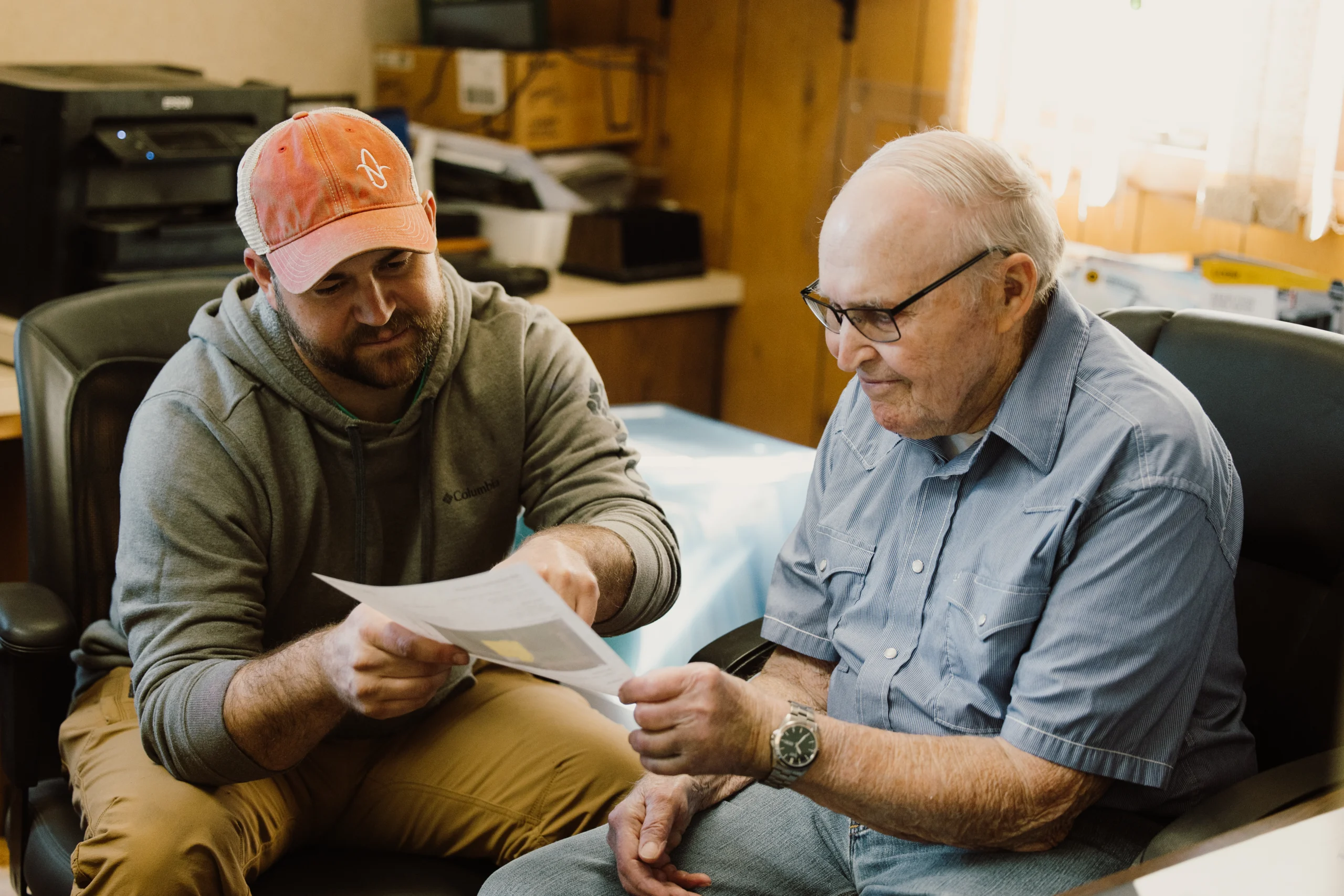
UNL-Testing Ag Performance Solutions
The UNL Testing Ag Performance Solutions (TAPS) program engages agricultural producers on topics including input use efficiency and farm profitability through participation in farm management competitions. With tighter profit margins and increasing social and regulatory pressures, agricultural production has become more challenging. The goals of the TAPS program align closely with those of the Nebraska Corn Board, particularly in identifying sustainable and profitable management practices. A key benefit of TAPS is that producers can evaluate emerging technologies without assuming the financial risk associated with adopting them on their own farms. This program provides a setting where participants can observe and apply new ideas, test conventional practices and discover better ways to operate in an environment of friendly competition.
Updating Sulfur Fertilizer Recommendations for Corn-Soybean Systems in Nebraska
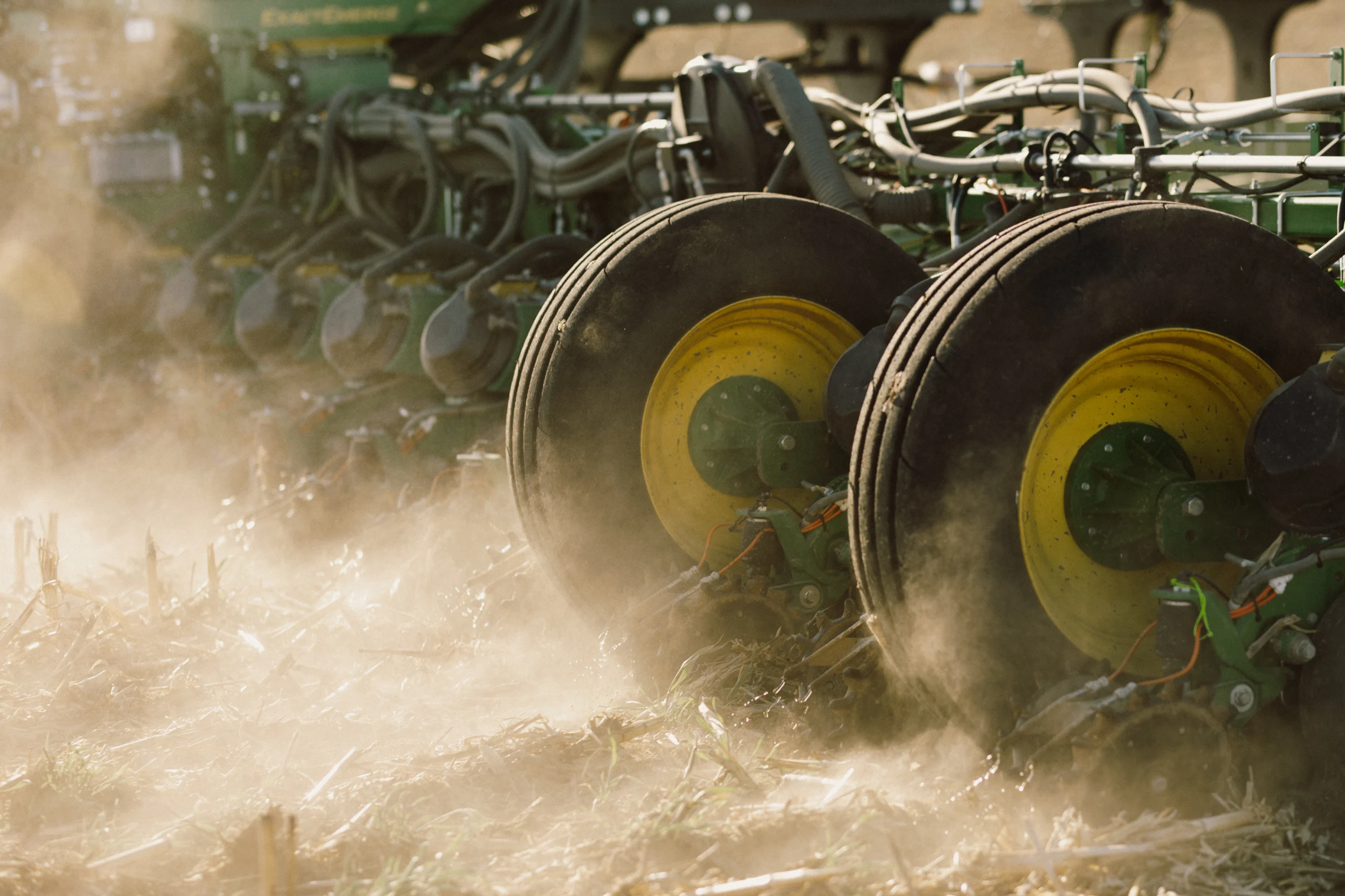
Updates are important and the University of Nebraska-Lincoln (UNL) sulfur recommendations will be modernized through a coordinated, statewide evaluation of corn–soybean systems. Results will identify conditions where sulfur improves yield, profitability and NUE across irrigated and rainfed systems. Recommendations are framed using probability of response and economic thresholds. Current guidelines are based on research from up to 25 years ago and no longer reflect modern challenges, such as declining atmospheric sulfate deposition and the increased nutrient removal of today’s high-yielding hybrids. Researchers will evaluate various application rates and sources—including ammonium thiosulfate (ATS), ammonium sulfate (AMS) and elemental sulfur—to determine the most effective treatments. Updated guidance will help producers avoid unnecessary fertilizer costs in irrigated systems while preventing under-application in highly vulnerable rainfed fields.
Youth Crop Scouting Competition
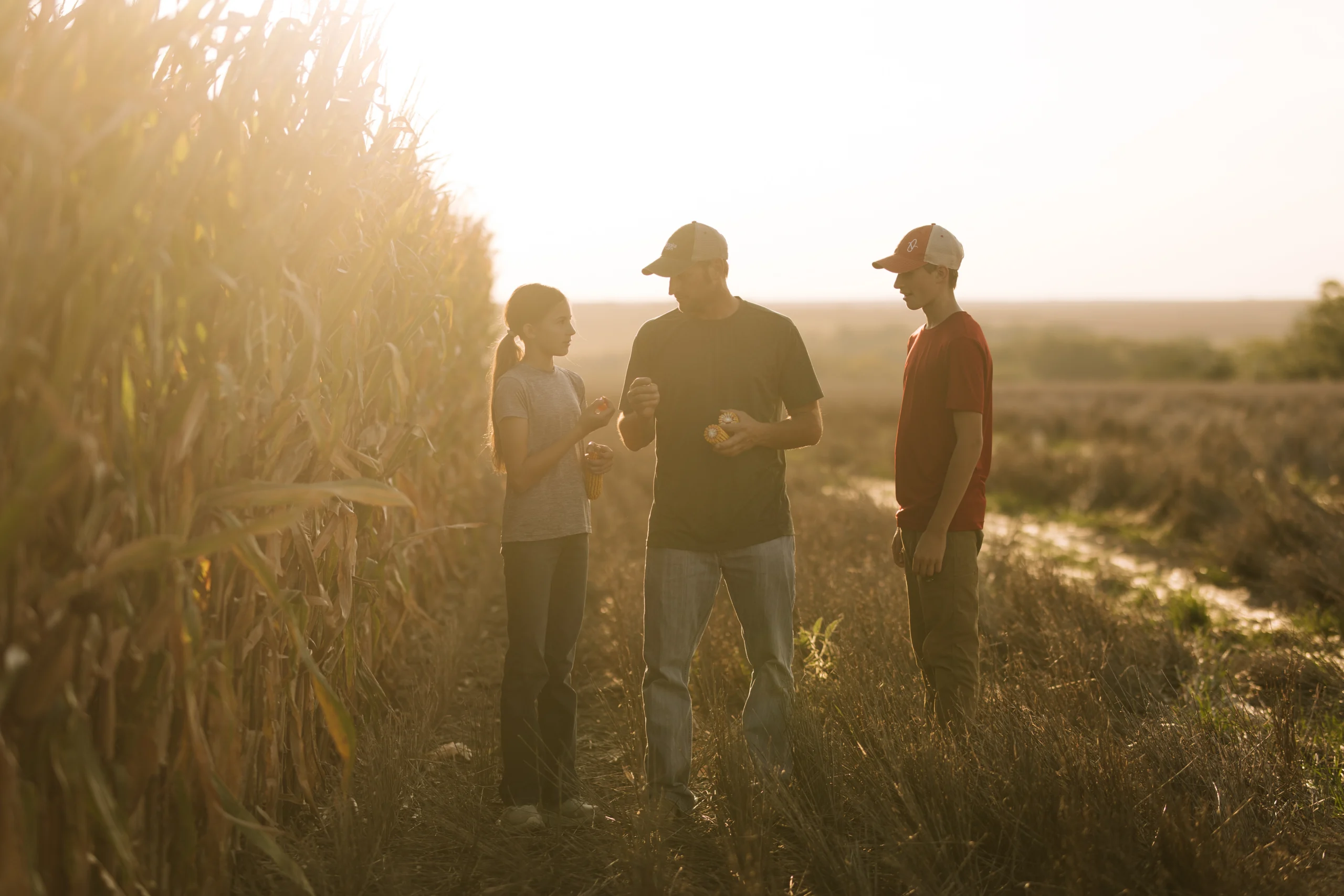
The Youth Crop Scouting Competition is an educational program designed to strengthen youth knowledge of crop production, IPM and agronomic career opportunities. The annual competition engages middle and high school youth through hands-on learning experiences and real-world crop scouting scenarios. Winning youth teams in Nebraska, along with their adult supervisors, advance to a six-state regional competition. During the event, teams rotate through various in-field stations where they are challenged to identify local weeds, insects and diseases, as well as accurately assess crop growth stages for corn and soybeans. Beyond the competition, participants have the opportunity to network directly with Nebraska Extension educators and industry professionals, making the event a valuable stepping stone for future agricultural careers.