Seeking New Opportunities Through Collaborative Corn Research
Research answers the “what if” questions that lead to new uses, new markets, new opportunities and new ways to grow corn even more efficiently and sustainably.
NCB research dollars are continually seeking new opportunities for corn farmers. What is the “next” ethanol? The emerging new use for corn that will again change the game for Nebraska farmers? What breakthrough will lead to significant change in the way farmers grow their crops, to use even less water, less fertilizer?
The majority of Nebraska Corn research dollars are invested in partnership with the Institute of Agriculture and Natural Resources at the University of Nebraska-Lincoln. Nebraska Corn also collaborates on research projects with fellow corn states, cooperators and other stakeholders.
Research Priorities
Enhancing Demand & Adding Value
Nebraska’s corn farmers have the ability to grow more corn than consumers can currently utilize
as food, fuel or feed. In order to sustain the economic viability of corn farmers, it is critical that
we discover new uses and markets for Nebraska’s corn crop that meet the needs of a growing
and evolving world. NCB seeks to encourage research that will give the highest return to
Nebraska corn producers through:
- Innovative research to find new uses for corn and corn products
- Identify value-added uses of the chemicals/components of corn
- Corn focused projects that result in commercialization of corn-based products or technology
- Expanding/developing commercially significant markets for corn utilization
Ensuring Sustainability
Nebraska corn farmers are faced with the challenge of producing crops necessary to meet local,
national and international demands while maintaining the quality and quantity of resources for future generations. NCB supports research leading to regionally integrated system of plant and
animal production practices designed to produce long-term results such as:
- Sustained economic viability of corn production in Nebraska
- Improved efficiency of inputs
- Enhanced carbon sequestration and improved measurement, reporting and verification
- Minimizing threats from pests and diseases
- Improved quality of surface water and groundwater resources
- Improved soil health
- Increased resilience to changing climate conditions and weather extremes
Supporting Agriculture and STEM Education
The future of farming in Nebraska depends not only on continuing to advance research-based
technologies and production practices, but also on improving consumer appreciation of the
importance of food, fuel and feed production to human and animal health and sustainability.
NCB seeks proposals that include education and outreach as the major components of the research
project. Education and outreach components may include:
- Intentional dissemination mechanisms of educational content and/or research findings to farmers
- Promoting linkages among Pre-K through 12 in STEM (science, technology, engineering and math) disciplines related to food and agricultural sciences
- Teacher preparation and professional development programs
- Communicating agriculture research to non-ag audiences
To learn more about these and other NCB-funded research projects, contact Rachael Whitehair, Director of Innovation & Stewardship at rachael.whitehair@nebraska.gov.
2025 Nebraska Corn Research Report
The Nebraska Corn Board distributes an annual research report that showcases the research portfolio of Nebraska Corn in six core areas of focus: Biotechnology/Industrial Use, Livestock, Nutrient Management, Production Efficiency, Pest Management and Supporting Ag & Stem Education.

Submitting Research RFPs
The Nebraska Corn Board distributes an annual request for proposals (RFP) as a process to collect, review and ultimately decide on proposals to fund. Although we request that proposals be submitted for research during this process, the Nebraska Corn Board will review proposals through the year, should they be submitted outside of the annual RFP process and timeline.
Request for Proposal Informational Sessions
The Nebraska Corn Board Research funding program will release a request for proposals (RFP) in late summer each year and typically offers informational sessions for those interested in:
- Receive an overview of the grant process, including priority areas, timeline and how proposals are evaluated
- Propose research or program ideas to Nebraska Corn Board staff and growers to improve alignment of proposals with RFP priorities
- Ask general questions about the grant process that may assist you in proposal development
Plan to join one of the 2026 NCB RFP Webinars and sign up at the link of your choosing. Attendees must register in advance using the links below:
- Wednesday, October 14, 2026, 9:00 – 10:00 a.m. CST: Registration Link
- Wednesday, October 21, 2026, 2:00 – 3:00 p.m. CST: Registration Link
After registering, you will receive a confirmation email containing information about joining the meeting.
If you are unable to attend either session, the RFP overview portion will be recorded and shared with all registrants. Additionally, interested parties can request a 30 minute consultation with Rachael Whitehair, Director of Innovation & Stewardship, via email at rachael.whitehair@nebraska.gov.
Explore Top Research Projects Current and Recent
Advancing Corn-Derived Melanin Production through Metabolic Engineering and Bioprocess Scale-Up
Developing a scalable bioprocess that converts corn-derived sugar into melanin, a high-value specialty biomaterial is the focus of this program. Using a unique organism identified, they will validate and improve systems under controlled fermentation. The research team uses a fungus that naturally produces melanin. Researchers plan to engineer the organism to maximize carbon efficiency and increase melanin yield per unit of corn-derived sugar. This scalable bioprocess could open a lucrative new market for Nebraska corn by supplying sustainable melanin for UV-protective coatings, flexible electronics and cosmetics
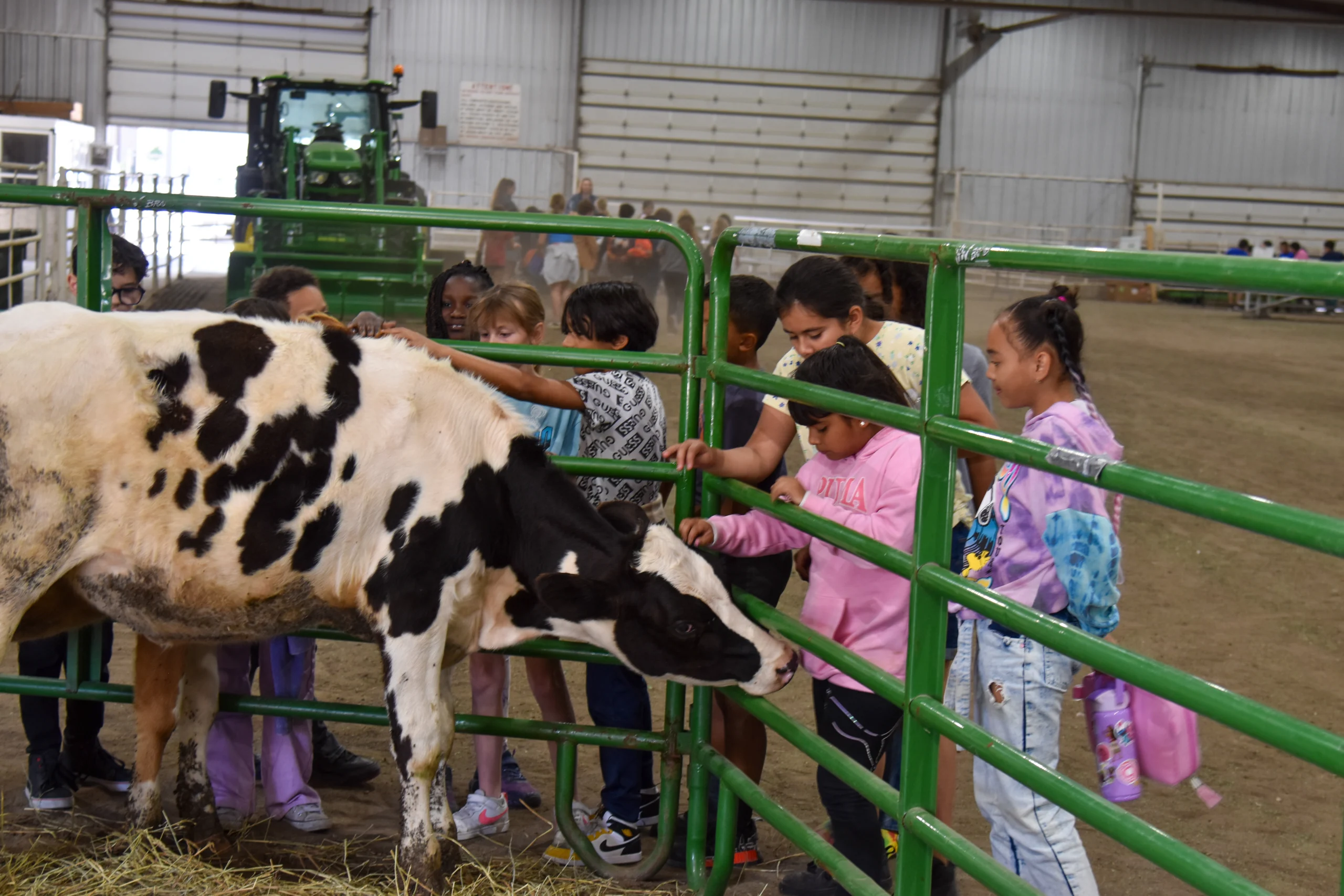
Ag Literacy Festivals
Ag Literacy Festivals are held across the state and engage students in second through fifth grade. The events engage youth in hands-on activities designed to increase their knowledge of agricultural production and where their food comes from. Through these experiences, students gain a better understanding of agriculture’s impact on Nebraska and become informed consumers who can make thoughtful decisions about agricultural issues. Since the program’s creation, 90,664 elementary students have participated in Ag Literacy Festivals. Curriculum goals include helping students recognize products containing corn and soybeans, understand how corn and soybeans are used for human consumption, animal feed and energy, and learn about crop life cycles and production processes. Students also explore the role of technology in helping farmers feed the world.
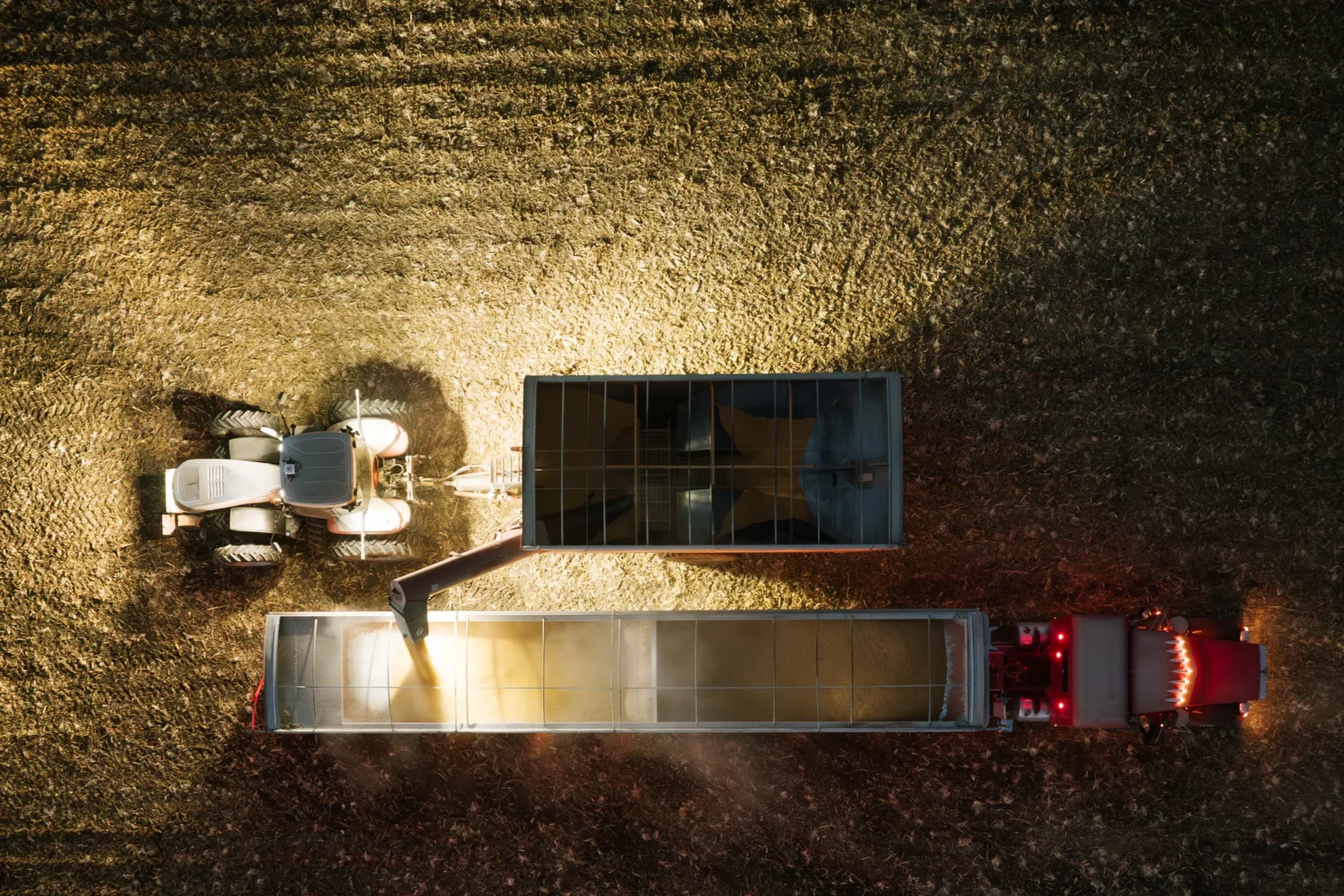
Assessing Potassium Limitation to Corn Yields in Nebraska
Potassium is a critical macronutrient for corn production. Current potassium fertilizer recommendations for potassium fertilizer in Nebraska are based on data collected decades ago, and the applicability of this guidance has decreased as field conditions have changed significantly. Neighboring states have updated their guidelines to address potassium deficiencies, but research in Nebraska has been limited. In fact, fewer than 20% of corn fields in the state currently receive any potassium fertilizer, and those that do may be receiving half of what is needed. This project aims to identify Nebraska environments where potassium deficiencies are limiting corn yields, helping producers make more informed fertilizer decisions to increase profitability and sustainability in the production process.

Bio-Based Polymer for Innocuous Fertilizer Coating
Researchers are developing a bio-based coating for fertilizer pellets using renewable, corn-derived materials. Benefitting from on previous work in bio-based feedstocks and corn-derived plastics, this seeks to develop new polymeric materials that are soil-degradable throughout the growing season and avoid releasing harmful microplastics and other byproducts. A more sustainable design, development and demonstration of fertilizer coatings will be key to reducing agriculture’s environmental footprint. Reducing the plastic waste associated with petroleum-based coatings will better protect the land and improve outcomes for future generations of Nebraska producers.
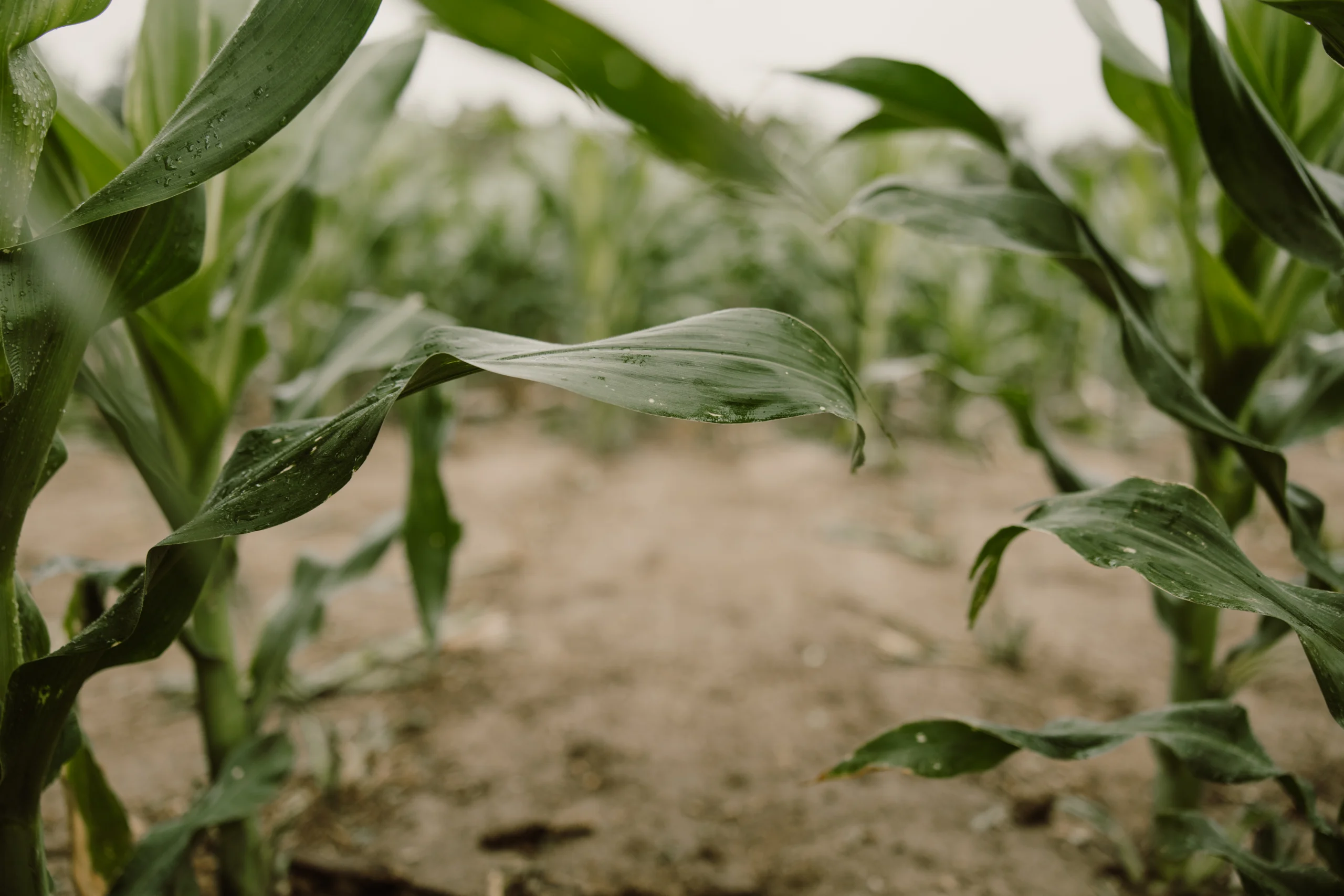
Bioinsecticides as New, Selective Chemical Tools for Western Bean Cutworm
The western bean cutworm is a major corn pest in Nebraska, posing a severe threat to developing ears, harming overall plant health and production. The application of insecticides and the use of managed hybrids are important mitigation tools, but their effectiveness on the cutworm is declining with every season. Broad-spectrum insecticides may reduce populations of beneficial insects, disrupt natural pest controls and create ecological imbalance. This study evaluates bio-based mitigation strategies to manage cutworm populations in Nebraska corn fields while minimizing impacts on other insects in the environment. The goal is to provide growers with additional options to diversify pest control, reduce reliance on a single mode of action while targeting a longstanding corn pest.
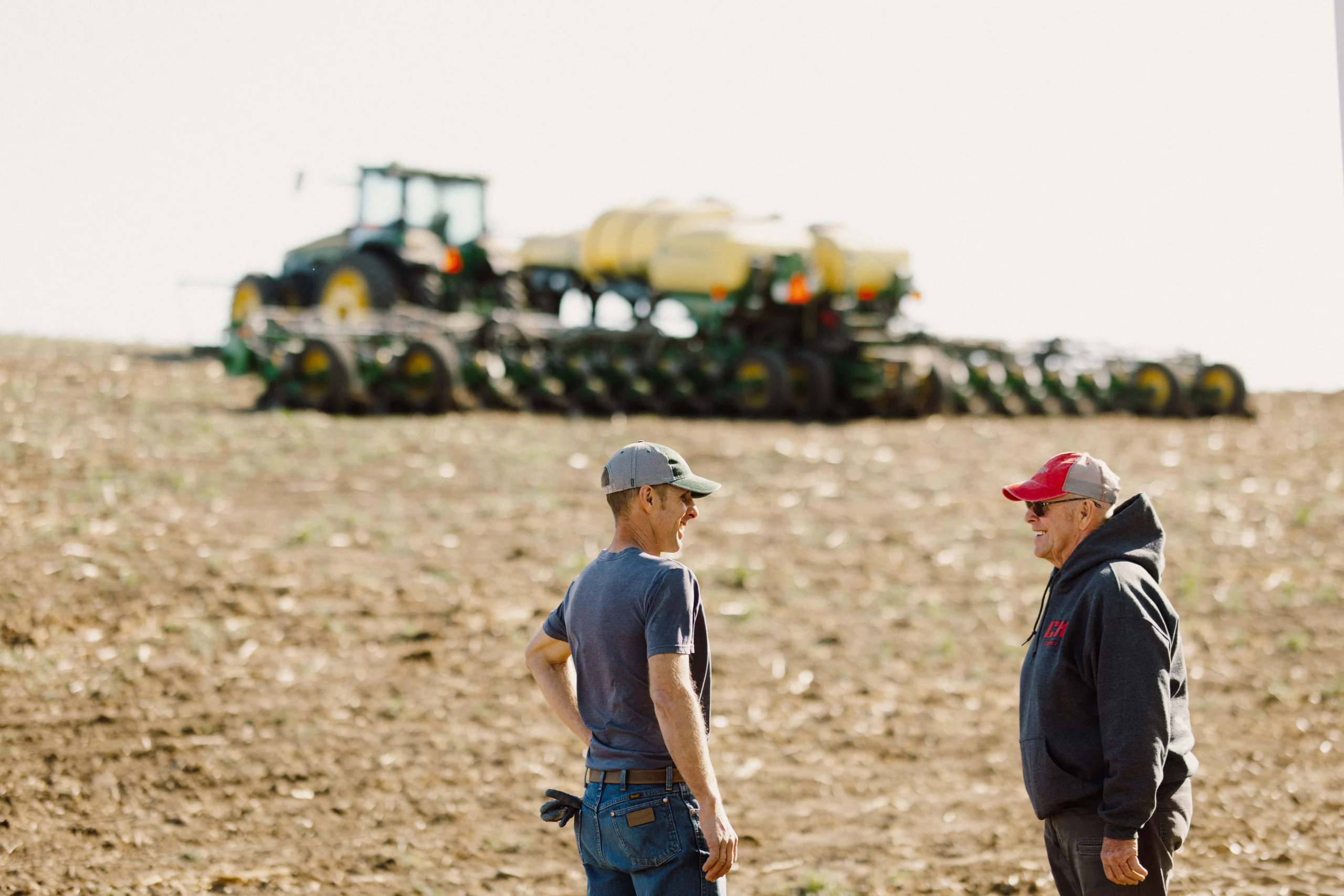
CORN Multistate Network Biologicals
The Corn Outreach & Research Network (CORN) is a national working group of Extension Corn Specialists working collaboratively. They collectively evaluate the performance of biological products used at planting and in-season in corn production systems throughout the U.S. Researchers are evaluating four categories of biological products, including phosphorus products, humic acids, biostimulants and nitrogen products. Nebraska trials include 10 treatments with six replications at research sites in Clay Center and North Platte.
Corn Root Research for Smarter Hybrid and Nitrogen Management
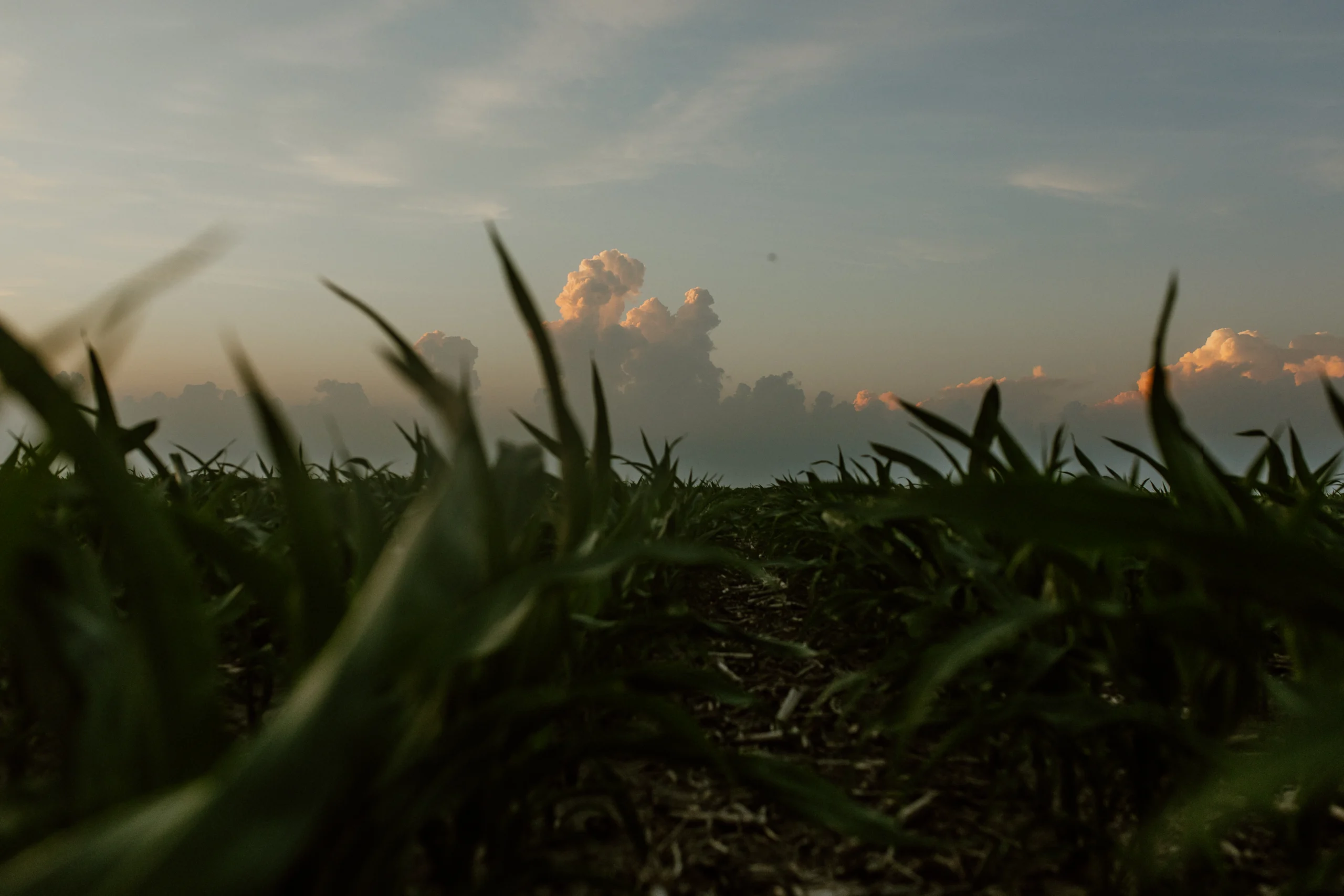
How deep corn roots grow and how a hybrid handles crowding may be key to improving yield from every pound of nitrogen (N). This project combines digital agriculture tools with field trials to evaluate how root architecture (deep/vertical vs. shallow/horizontal) and ear type (flex vs. fixed) respond to fertilizer rates and placement strategies. The goal is to help farmers optimize hybrid selection and management for greater efficiency. UNL researchers collaborated with Beck’s Hybrids to conduct trials at university facilities. Data collected will assess corn hybrid stability and performance across environments and examine the impact of root architecture. Results from the project will support clearer hybrid, seeding, and nitrogen recommendations in the future.
-
Corn-Derived Acetic Acid
The corn-derived acetic acid project will develop and commercialize a novel process for converting corn-based feedstock into acetic acid, increasing demand for corn while creating new market opportunities for producers. Acetic acid (AA) is a large-volume industrial chemical used in a variety of applications across the petrochemical industry. The total estimated corn needed to produce 100% of the global AA demand is a 1.5-to-2.2-billion-bushel equivalent.
-
Corn-Derived Corrosion Inhibitors for Crude Oil Pipelines
The United States has approximately 250,000 miles of crude oil pipelines and maintaining them is difficult. Billions of dollars are lost each year in lost oil and environmental cleanup. Pressure from acidic gases, varying temperatures, bacteria, and abrasion contribute to ongoing corrosion. Existing corrosion inhibitors including amides, ionic liquids and heterocyclic compounds, are expensive and can be toxic to humans, wildlife, soil and groundwater. This project has synthesized a water-soluble, corn-based corrosion inhibitor as a natural alternative. Commercialization could reduce costs for oil companies and government agencies while improving pipeline safety and creating a significant new market for corn producers.
-
Corn-Derived Dust Suppressant from Corn Starch
Now in the pilot testing stage, this plans to address fugitive dust on unpaved roads using a corn-based solution. Nebraska is home to 72,000 miles of unpaved roads. Departments of transportation currently spend $12,000 to $18,000 per mile each year applying water, magnesium chloride, calcium chloride and various oils to suppress dust. This offers a natural, corn-based alternative by creating a hydrogel from corn starch that retains large amounts of moisture, forming a layer that binds dust. This has the potential to provide long-term benefits for farmers and rural communities.

Enhancing Nebraska’s Corn Resilience: Exploring WUE and TAC Natural Variation
Supporting Nebraska corn farmers’ sustainability goals by addressing critical challenges posed by extreme weather events is important. Researchers are studying natural variability in water-use efficiency (WUE) and total antioxidant capacity (TAC) to help develop climate-resilient corn hybrids. These traits contribute to yield stability and sustainable crop production, helping producers adapt to Nebraska’s unpredictable weather patterns. Analyzing variability and correlations between WUE, TAC and yield performance provides breeders with actionable insights to make better management decisions.
Genomes to Fields
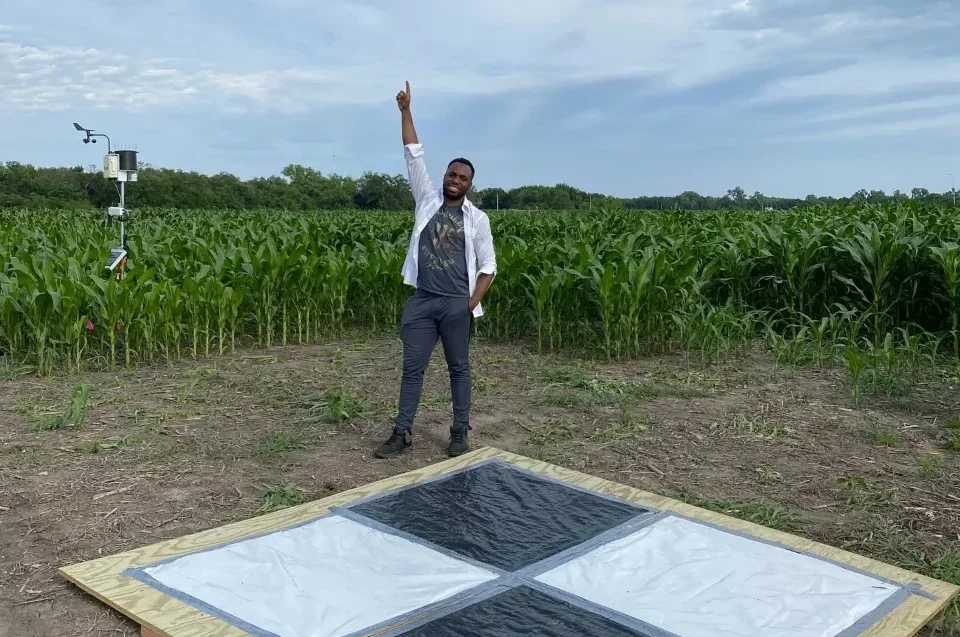
The Genomes to Fields Initiative (G2F) studies how genetic variation, environmental factors and management decisions interact to influence crop yields across farms, environments and growing seasons. Understanding these interactions with various corn hybrids informs effective management strategies and helps to identify suitable hybrid choices for specific conditions. Identifying the factors that affect corn yields in certain areas is critical for guiding both management decisions and hybrid selection for specific environments. The initiative involves research partnerships across 22 states. The project uses unique data collection methods, including multispectral cameras, thermal imaging and high-resolution satellite data. Nebraska’s involvement in G2F helps ensure that as new tools emerge to predict crop performance under changing weather conditions, farmers will have more reliable guidelines for the state’s farmers in the future.