
Cattle and Corn: How Nebraska’s Nutrient Cycle Works
Each year, freshly harvested Nebraska corn goes on a journey. A significant portion goes to nearby cattle farms, where it continues the nutrient cycle and fuels the state’s economy.
How? Corn and corn byproducts make excellent livestock feed. Some of the nutrients from those kernels then return to the field in a different form: manure. Using cattle manure as fertilizer for corn is a cost-effective, sustainable way farmers put nutrients back into the soil.
It’s a win-win: Corn feeds the cattle, manure feeds the soil, and farmers have access to a natural, economical fertilizer for next year’s crop.
What is the Nutrient Cycle in Farming?
As corn grows, it uses nitrogen, phosphorus and potassium in the soil. When corn is harvested, those nutrients must be replenished. Farmers can buy commercial fertilizer or recycle nutrients through cattle manure.
The nutrient cycle in farming and cattle ranching starts in the field. Some corn is fed directly to nearby cattle. Other corn goes to an ethanol plant, where part of the kernel becomes renewable biofuel and the leftover nutrients become distillers grains. These grains, made from parts of the kernel including protein and fiber, are a nutritious addition to cattle feed.
Cattle eat the corn or distillers grains and produce manure, which can be spread on cornfields before planting. Using manure as fertilizer completes the nutrient cycle, returning nutrients to the soil.
Where Does Nebraska Corn Go After Harvest?
The majority of corn grown in Nebraska is used for livestock feed or ethanol. Each sector uses about 40% of the annual harvest.
While corn for livestock feed is exported to other states, about 13% of the total harvest stays in Nebraska and is fed to livestock in the state. Much of that goes to cattle, with an estimated 70% of corn fed to Nebraska livestock going to beef cattle.
This includes plain corn kernels, commercially produced livestock feeds that use corn as an ingredient and the ethanol co-product distillers grains. That’s a special advantage in Nebraska, because about a third of every bushel used to make ethanol is returned as distillers grains.
Is Manure Good Fertilizer for Corn?
Yes, cattle manure is an excellent fertilizer for corn. It supplies nitrogen, potassium and phosphorus while adding organic matter to the soil. That can improve soil structure and water retention. Manure releases nutrients more slowly than conventional fertilizer, corn has more time to access those nutrients as it grows.
In addition, when distillers grains are added to cattle feed rations, they can increase the phosphorus content of manure, according to Nebraska Extension.
How Do Farmers Know How Much Manure to Apply?
It’s critical that farmers know how much cattle manure to apply. Overapplication wastes money and can affect water quality, so farmers rely on soil and manure testing to determine appropriate rates.
Many farmers regularly test their soil to identify areas lacking nutrients such as nitrogen and phosphorus. Larger livestock operations face additional requirements for managing and applying manure to protect soil and water quality. These regulations require a nutrient management plan detailing how manure will be handled, tested and applied. Testing the manure and soil helps determine how much can be applied to a specific area.
It all comes down to the four Rs of nutrient stewardship: right source, right rate, right time and right place.
What Happens to Cornstalks After Harvest?
Many farmers leave cornstalks in the field to add organic matter to the soil and prevent erosion. Farmers who have cattle can graze them on the harvested fields, where animals eat leftover leaves, husks and ears of corn missed by the combine. Farmers without cattle can rent their fields to area ranchers.
It’s beneficial for both sides. Cattle owners get low-cost winter feed, while corn farmers get nutrients returned to the field through manure and potentially earn rental income. Grazing cornstalks also helps keep soil in place, reducing erosion from wind and heavy rains.
Does the Nutrient Cycle Make Corn More Sustainable?
Using cattle manure to fertilize corn is a cost-effective, locally available way to put nutrients back into the soil. Using manure on its own doesn’t make corn organic, because there are many requirements to grow certified organic crops. However, many organic corn farmers do use livestock manure as a natural fertilizer. Most corn farmers who own cattle use a combination of manure and commercial fertilizer.
Manufacturing nitrogen fertilizer is energy-intensive, so replacing some synthetic fertilizer with manure can reduce greenhouse gas emissions and the distance nutrients travel. That can help lower the carbon intensity of corn and, in turn, the carbon intensity of ethanol and the many other products made from corn.
Connecting Corn, Cattle and Soil
From field to feed to manure and back to the field, Nebraska corn and cattle form a cycle that makes the most of the state’s resources. Because cornfields, cattle operations and ethanol plants are often located near one another, nutrients can stay closer to home, creating a practical example of closed-loop farming.
Cattle manure puts nutrients and organic matter back where they’re needed, helping improve soil health and reduce reliance on outside inputs. In the end, Nebraska’s combination of corn, cattle and ethanol helps farmers improve sustainability and profitability while helping protect the state’s natural resources.
Related Posts
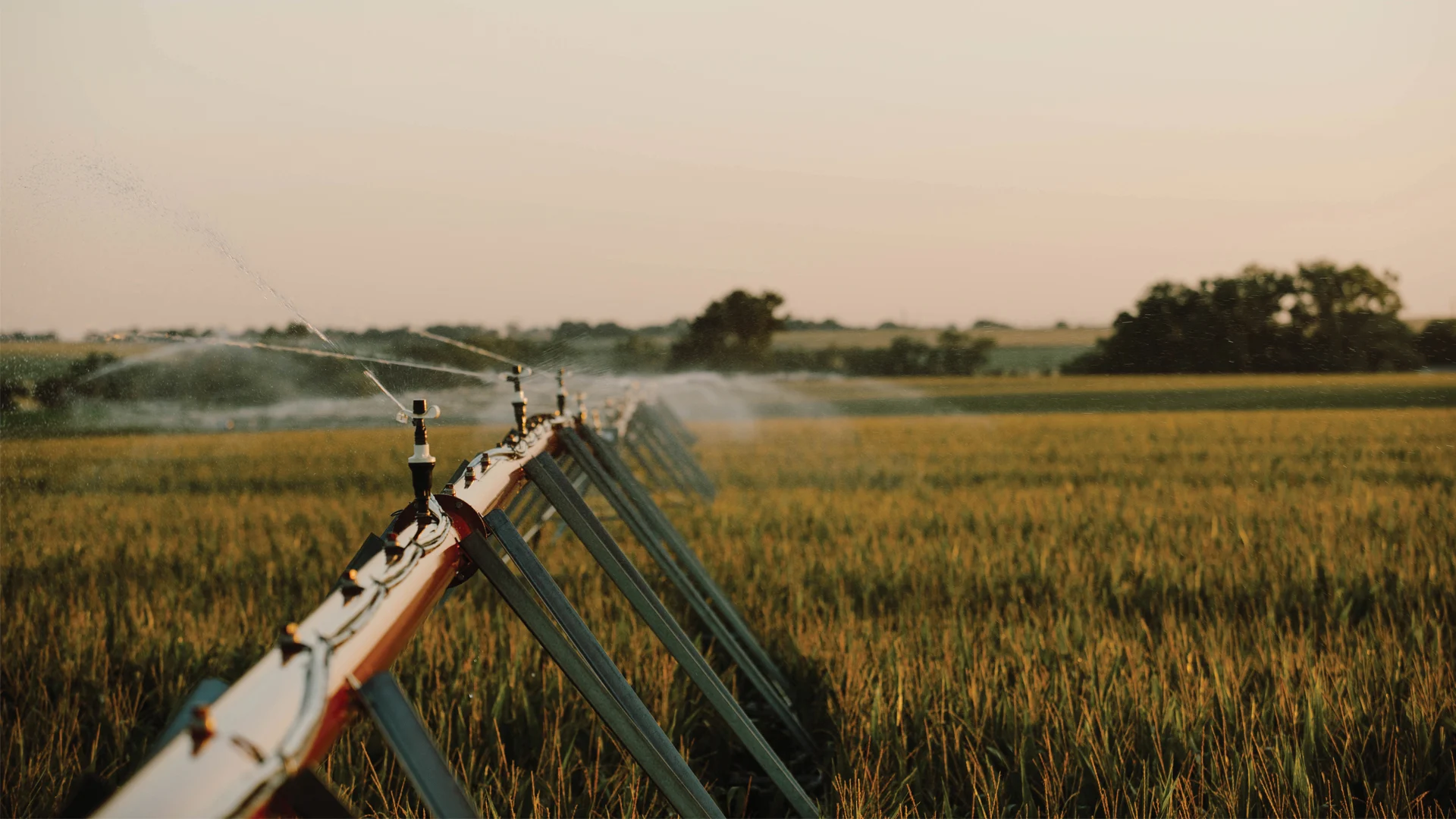
Every season, Nebraska farmers make hundreds of decisions that affect their yields, their profitability and the long-term health of their land. They decide when to irrigate, how much nitrogen to apply, whether to plant [...]
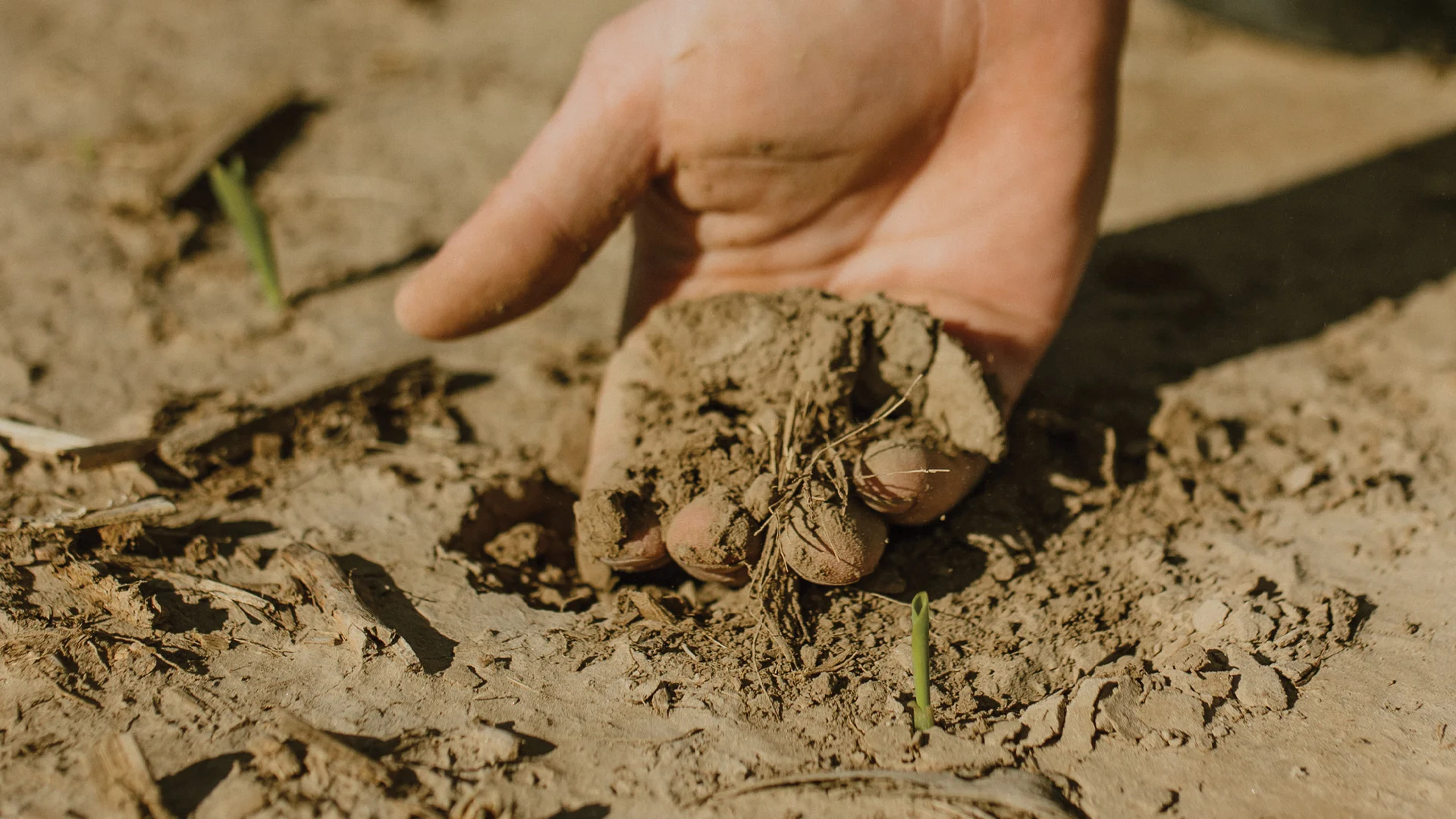
As weather patterns become more unpredictable and water resources face increasing pressure, researchers are working to develop corn hybrids that can produce strong yields while using water more efficiently. At the University of Nebraska–Lincoln, plant [...]

Water doesn’t recognize city limits or county lines. Across Nebraska, rural and urban communities rely on the same connected water system, which means protecting it is a shared responsibility. That’s where Nebraska’s Natural Resources Districts [...]