
As weather patterns become more unpredictable and water resources face increasing pressure, researchers are working to develop corn hybrids that can produce strong yields while using water more efficiently.
At the University of Nebraska–Lincoln, plant geneticist Dr. James Schnable is helping lead that effort. Schnable studies how corn genetics interact with environmental conditions such as drought and nitrogen availability. His goal is to identify plant traits that help corn use water more efficiently and perform better when water is limited.
“Drought resilience can mean different things,” Schnable said. “Some plants slow down and wait for rain, while others continue to grow and make use of the water available to them. These unique responses can have implications on yield under less-than-ideal growing conditions.”
Because developing a new hybrid can take seven to 10 years, researchers must predict how today’s experimental lines will perform under future conditions.
“The Nebraska of 2035 will be different from the Nebraska of today,” Schnable said. “Growing seasons are getting longer, water supplies are changing and farmers are facing new pressures related to irrigation and nitrogen use. The challenge is figuring out which hybrids we’re testing now will perform best under those future conditions.”
To identify traits linked to better drought performance, university researchers use drones, robotics, satellite imagery and artificial intelligence to measure characteristics such as root architecture, canopy structure and maturity.
While most commercial corn breeding now happens in the private sector, public researchers continue to play a critical role by developing new methods and insights to help the industry make better selections.
“In Nebraska, we have a wonderful natural laboratory,” Schnable said. “In the laboratory, we can grow the same hybrids in rain-fed fields in the east and under fully irrigated conditions in the west, which allows us to study how corn responds to different water environments and generate insights that ultimately help farmers make more informed decisions.”
Related Posts
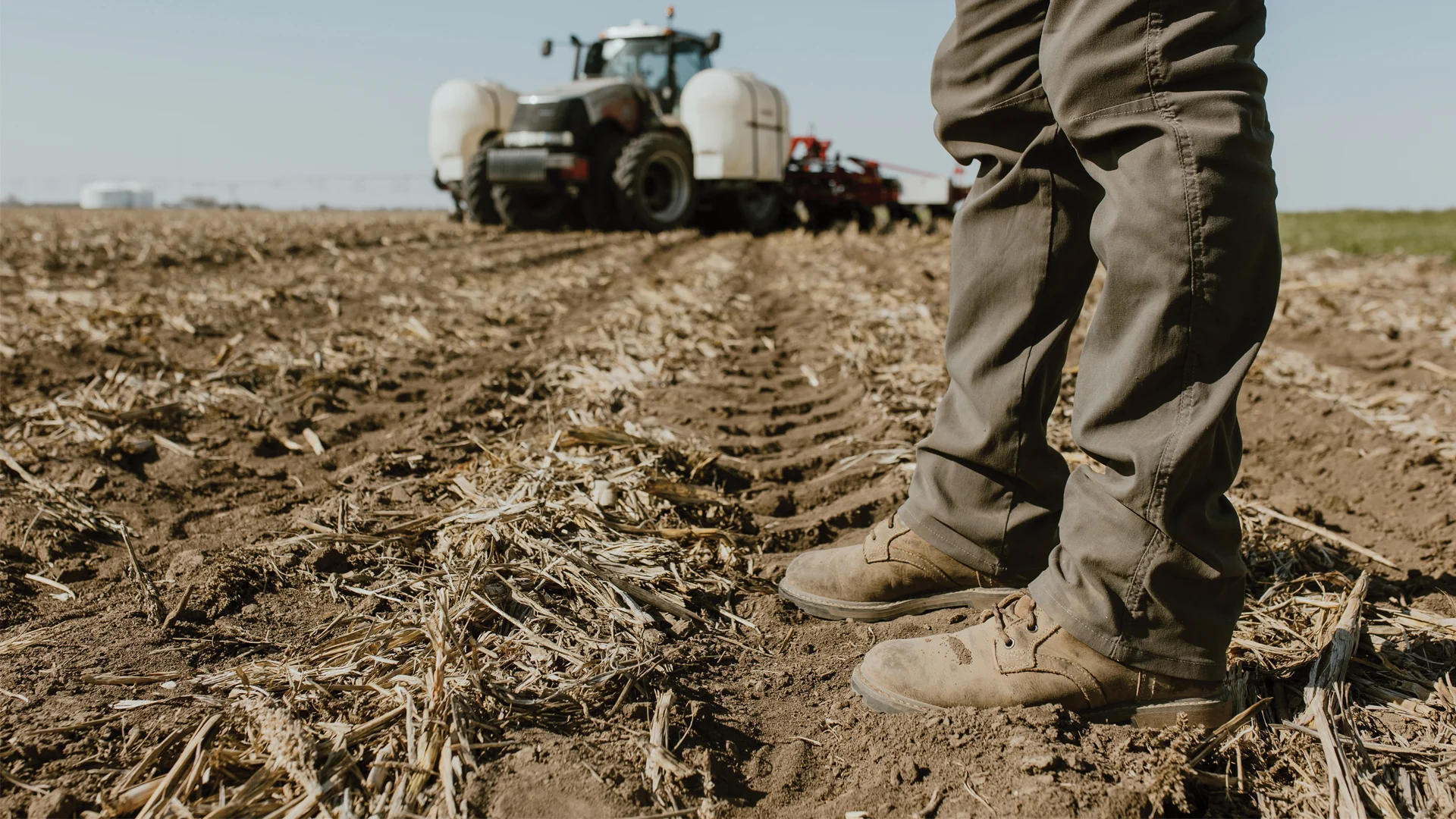
When it comes to farming, trying something new can be a tough decision. A new irrigation strategy, lower nitrogen rate or different grain marketing plan could improve profitability, but it also comes with uncertainty. [...]
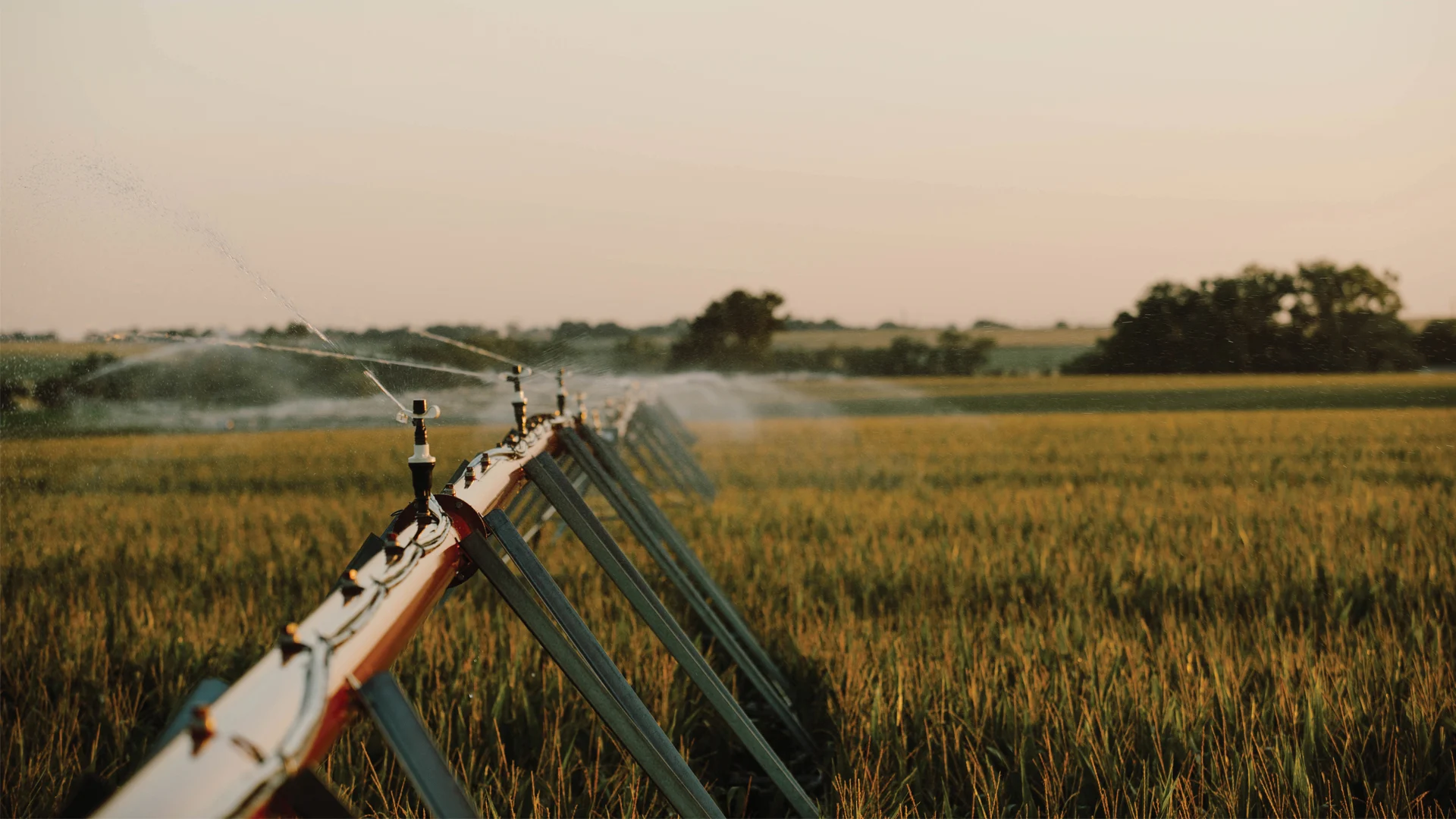
Every season, Nebraska farmers make hundreds of decisions that affect their yields, their profitability and the long-term health of their land. They decide when to irrigate, how much nitrogen to apply, whether to plant [...]
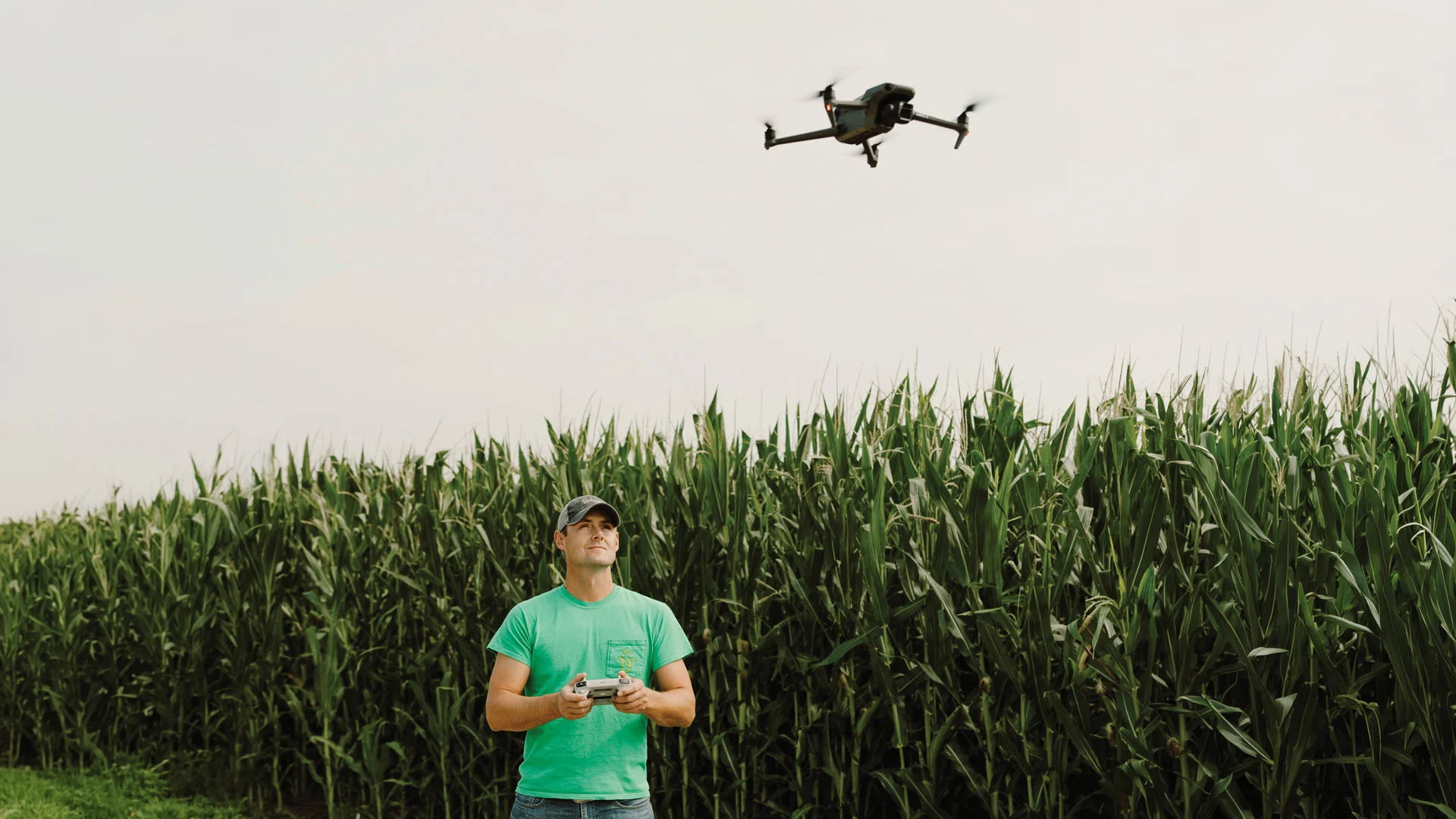
Nebraska farmers can carefully manage many factors that influence crop production, including seed placement, nutrient application and weed control. One critical variable, however, remains beyond their control: rainfall. For fifth-generation farmer Andy Jobman, irrigation is [...]