
Water doesn’t recognize city limits or county lines. Across Nebraska, rural and urban communities rely on the same connected water system, which means protecting it is a shared responsibility.
That’s where Nebraska’s Natural Resources Districts (NRDs) play a critical role. NRDs help balance water needs across agricultural and urban communities by managing groundwater and helping ensure Nebraska’s water resources remain sustainable for future generations. Each NRD is led by a locally elected board made up of people who live and work in the region they serve, allowing water decisions to reflect local realities rather than a one-size-fits-all approach.
“Local problems need local solutions,” said North Platte NRD Manager Scott Schaneman. “Every community faces different challenges, and the people closest to those challenges understand them best.”
In western Nebraska, where irrigation is essential to both farming and everyday life, Schaneman says many people don’t realize how connected rural and urban water systems truly are. And when drought affects farmers, it affects everyone.
“People tend to think of irrigation as an agricultural issue, but it’s really a community issue,” Schaneman said. “The same water system that supports our farms also supports our towns, businesses, hospitals and the people who live here. Without that irrigation project, we wouldn’t have the communities we have today. Irrigation is essential to life in western Nebraska.”
That connection is one reason water management requires participation from both rural and urban communities. Schaneman says shared responsibility starts with understanding how water is used. Farmers operate under water allocations, which require them to carefully monitor every inch of water they use. They often use a portion of their allocation to prepare dry soil for planting after months without meaningful rainfall.
“Allocation helps ensure we’re not taking more water out of the system than it can replenish,” Schaneman said. “The goal is to protect water for agriculture, communities and downstream users alike.”
But agriculture isn’t the only place where conservation can make a difference.
“If everyone cuts their lawn sprinkler run time back by five minutes per zone, we could save 47,000 gallons of water per residence every year,” Schaneman said. “Across 5,000 homes, that’s about 200 million gallons annually.”
For Schaneman, those numbers illustrate a simple reality: protecting Nebraska’s water resources requires participation from everyone who depends on them. Whether it’s farmers managing irrigation, residents adjusting sprinkler schedules or communities working together on long-term solutions, every action contributes to a stronger water future.
Related Posts
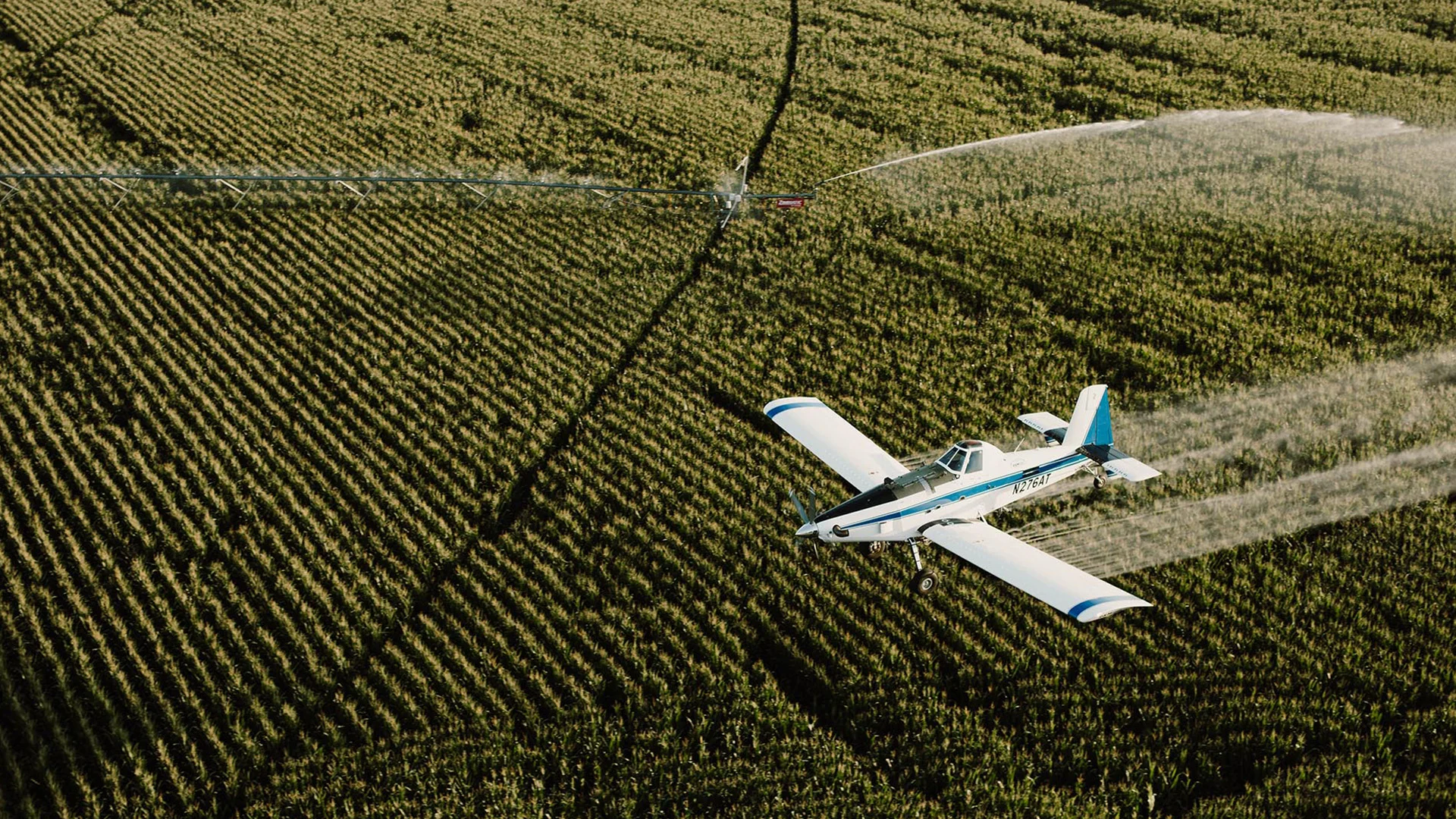
As hot August days finally start to cool, the countdown to field corn harvest begins on Nebraska’s family farms. Peak water use is over and kernels are filling, but farmers are still watching moisture levels as the [...]
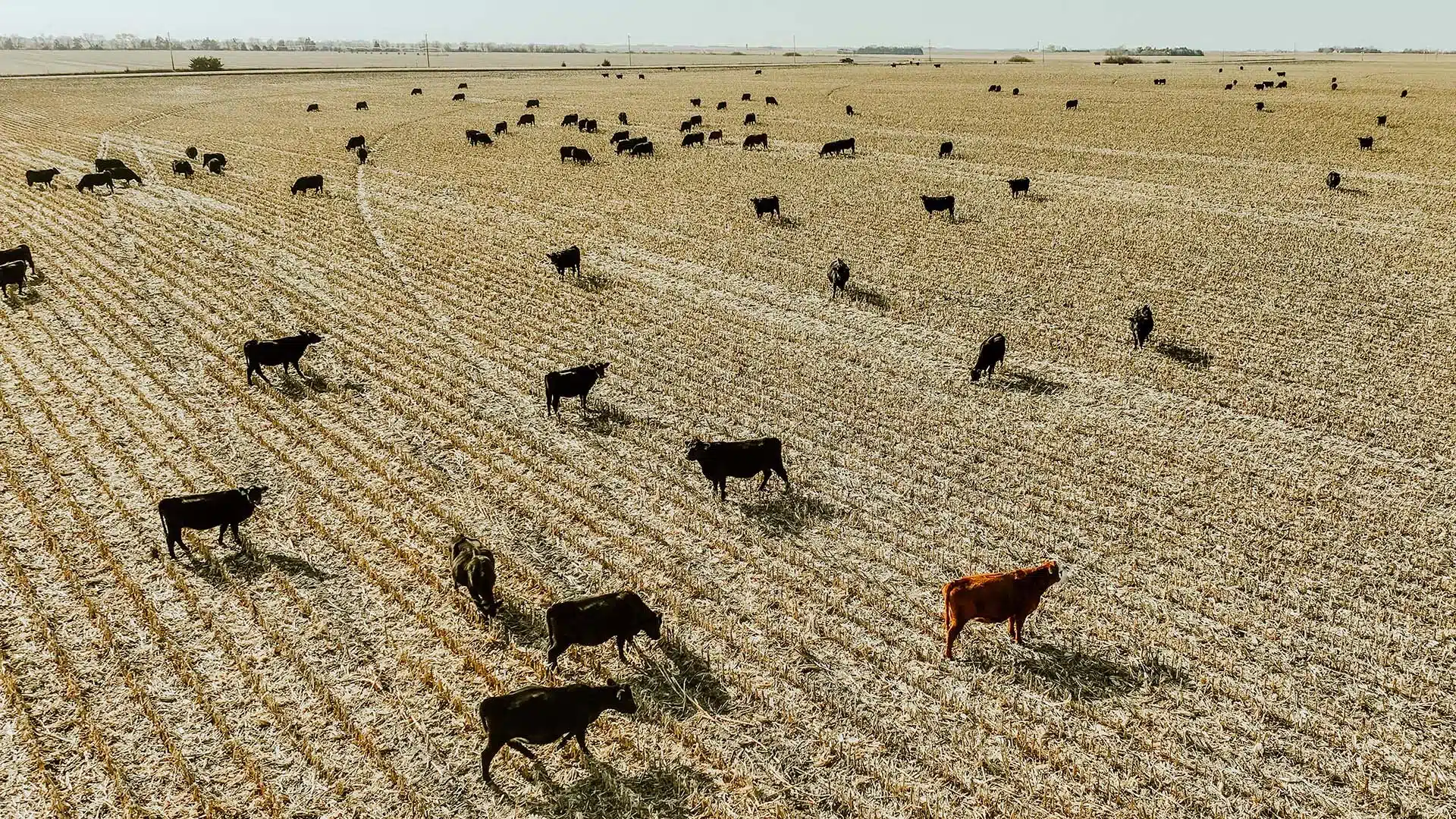
Cattle and Corn: How Nebraska's Nutrient Cycle Works Each year, freshly harvested Nebraska corn goes on a journey. A significant portion goes to nearby cattle farms, where it continues the nutrient cycle and fuels [...]
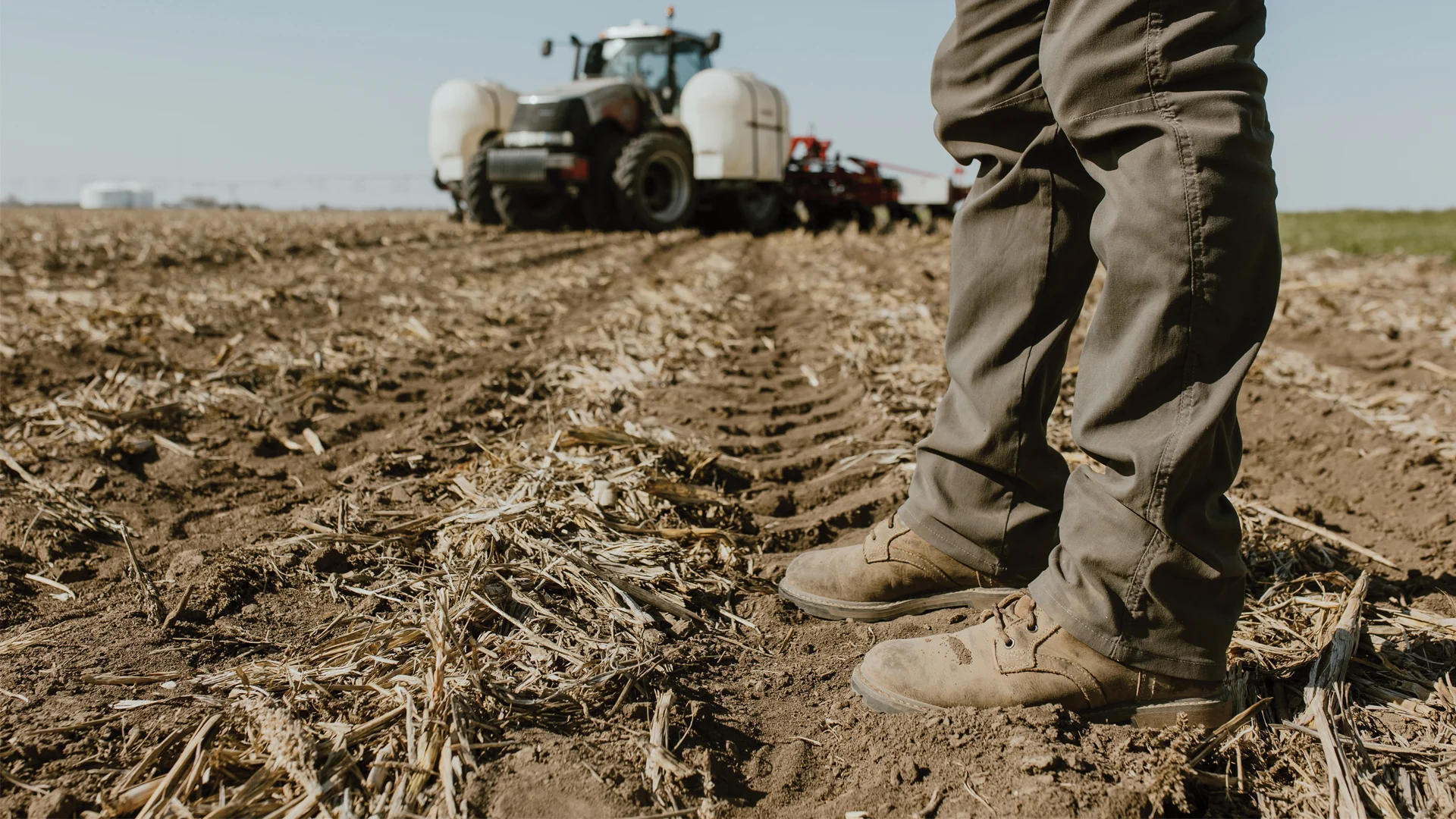
When it comes to farming, trying something new can be a tough decision. A new irrigation strategy, lower nitrogen rate or different grain marketing plan could improve profitability, but it also comes with uncertainty. [...]