When it comes to farming, trying something new can be a tough decision. A new irrigation strategy, lower nitrogen rate or different grain marketing plan could improve profitability, but it also comes with uncertainty. And with tight margins, even a well-intentioned change can have real financial consequences.
The University of Nebraska–Lincoln’s TAPS program was created to take some of that risk out of the equation. Short for Testing Ag Performance Solutions, TAPS is a farm-management competition that allows farmers to test decisions and innovations in a real-world setting without putting their own operations on the line.
“The average grower has about 40 growing seasons to change something within their operation, and every time they do something different, it comes with a level of risk,” explained Chris Proctor, Extension Educator with the University of Nebraska–Lincoln. “TAPS gives them an opportunity to try new tools and practices and see how they perform before making changes on their own farms.”
Throughout the growing season, participants make the same decisions they face at home, from selecting hybrids and setting seeding rates to managing schedules, nitrogen applications and grain marketing. They use tools such as soil-moisture sensors, satellite imagery, drone data, and soil and tissue sampling to guide irrigation decisions.
Researchers then apply each team’s strategy to side-by-side plots under identical soil and weather conditions at university research stations in North Platte, enabling an apples-to-apples comparison of outcomes. “If you added up all the decisions a grower makes, I bet it could be in the trillions,” Proctor emphasized.
“By turning one growing season into 100 different scenarios, farmers can learn faster, make more informed decisions and gain confidence to adopt practices that can improve their operations while protecting natural resources.”
What began in Nebraska in 2017 as a way to help farmers improve irrigation decisions has evolved into 100 teams. For many farmers, the lessons have been significant.
Proctor recalls one farmer who reduced nitrogen applications by 60 pounds per acre after seeing through TAPS that yields remained strong. More than 80% of participants report adopting at least one new practice after participating in the program.
“Farmers are innovative folks. They’re always looking for ways to improve what they do,” Proctor said. “TAPS helps them experience how to use data to make better decisions for their operation, no matter what the conditions.”
To learn more about TAPS and how farmers benefit from research and innovation, visit taps.unl.edu.
Related Posts
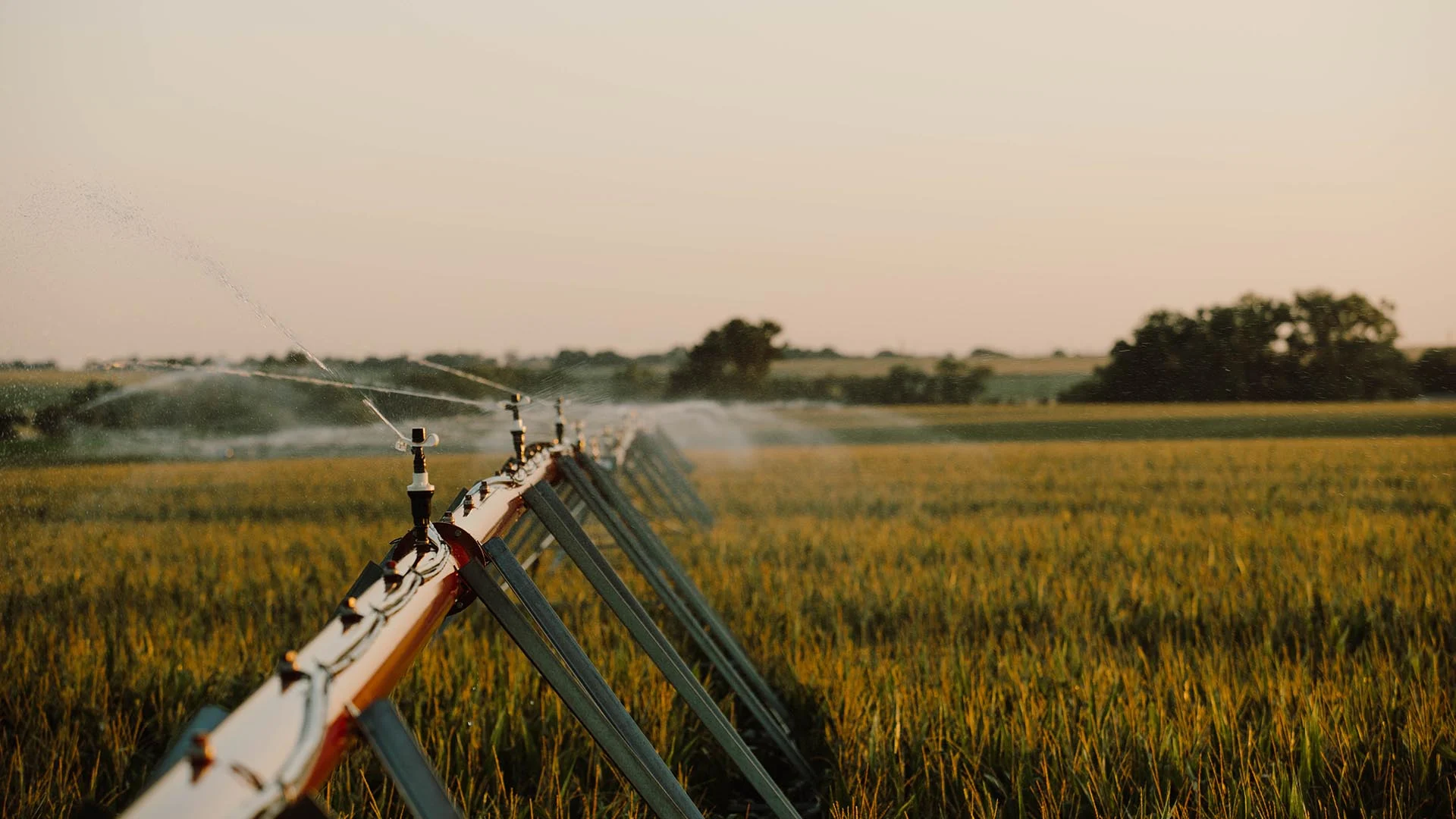
As hot August days finally start to cool, the countdown to field corn harvest begins on Nebraska’s family farms. Peak water use is over and kernels are filling, but farmers are still watching moisture levels as the [...]
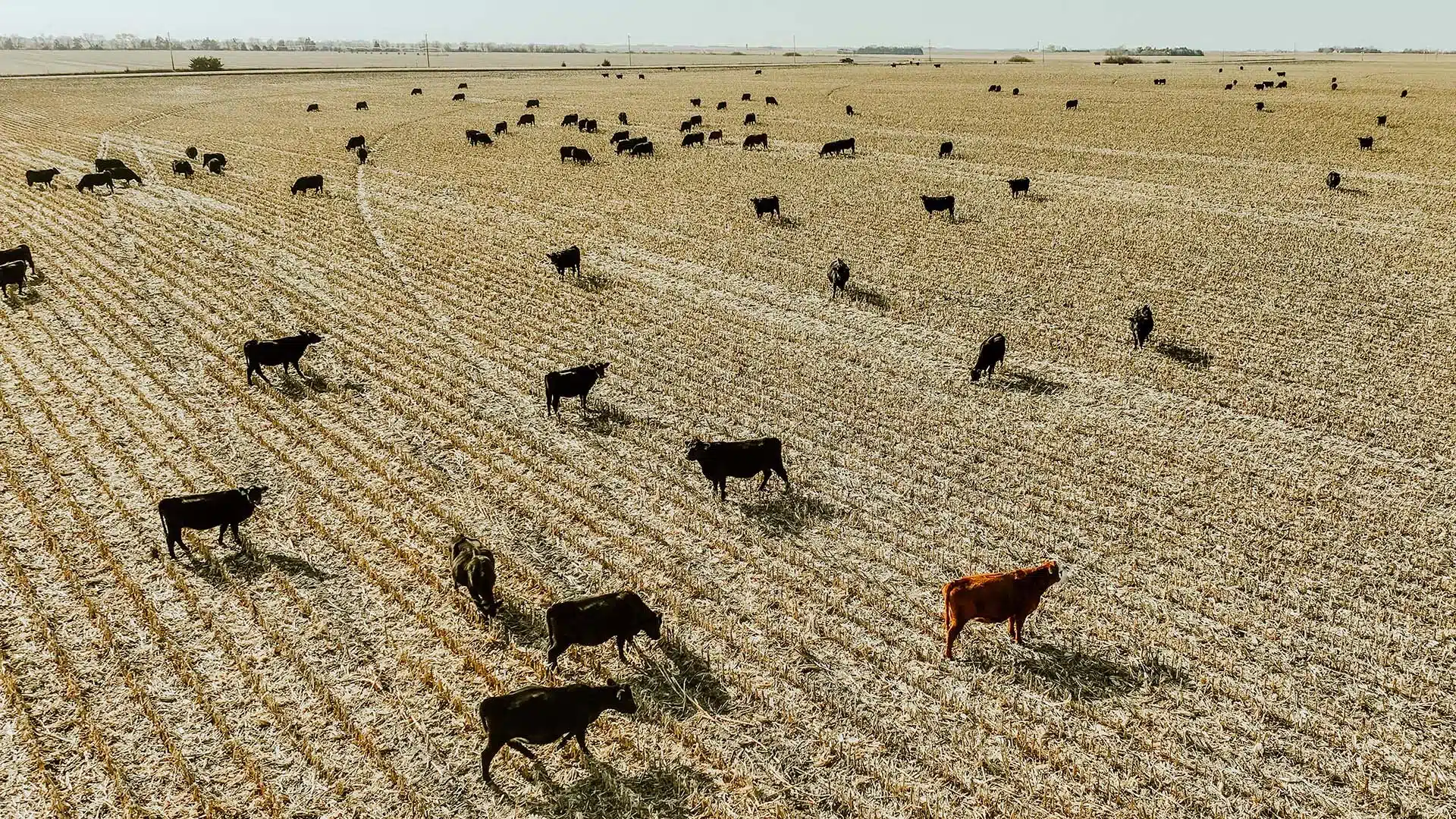
Cattle and Corn: How Nebraska's Nutrient Cycle Works Each year, freshly harvested Nebraska corn goes on a journey. A significant portion goes to nearby cattle farms, where it continues the nutrient cycle and fuels [...]
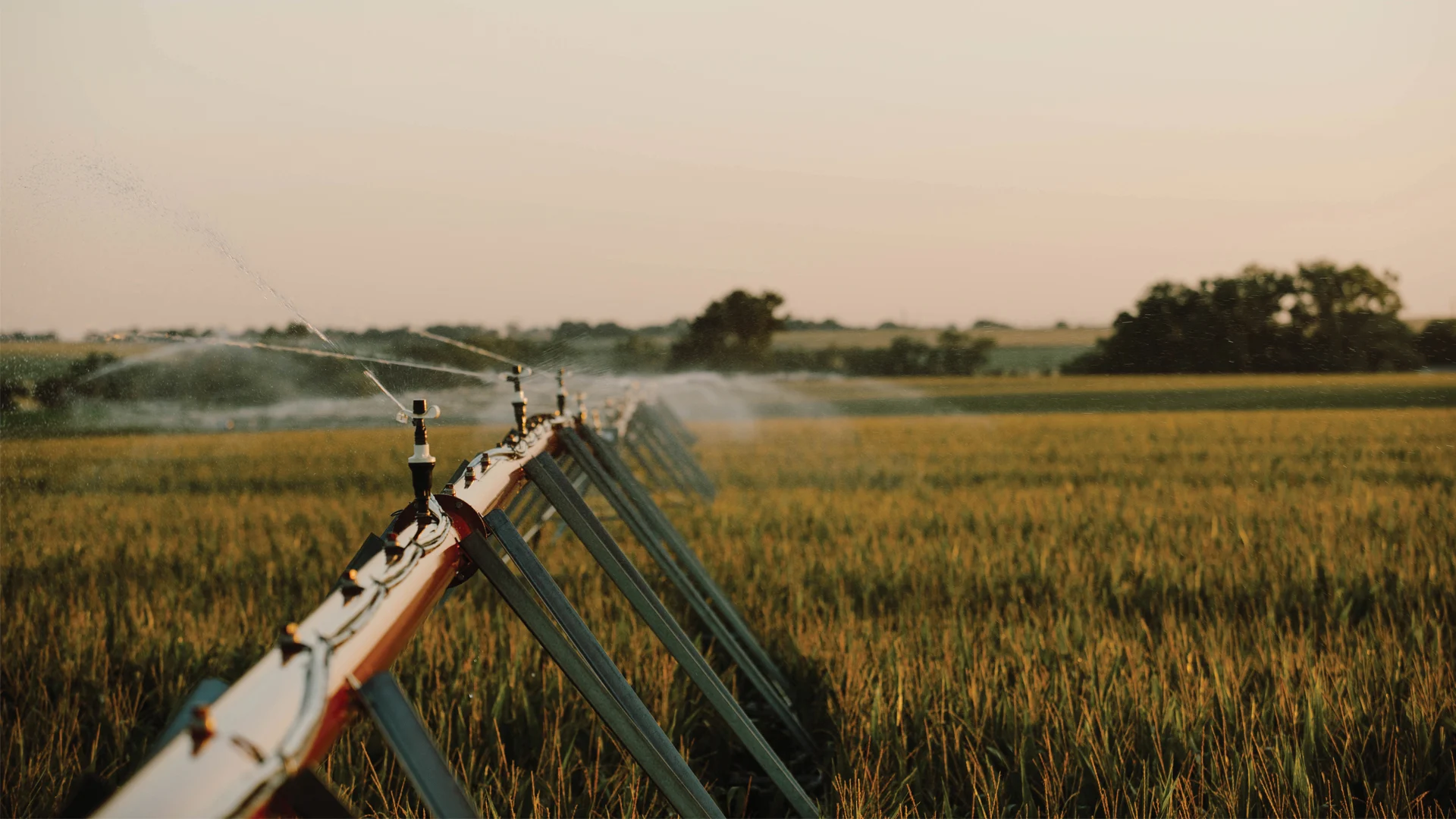
Every season, Nebraska farmers make hundreds of decisions that affect their yields, their profitability and the long-term health of their land. They decide when to irrigate, how much nitrogen to apply, whether to plant [...]