
As hot August days finally start to cool, the countdown to field corn harvest begins on Nebraska’s family farms. Peak water use is over and kernels are filling, but farmers are still watching moisture levels as the crop moves toward maturity.
Corn irrigation involves careful monitoring and scientific testing, ensuring farmers provide plants with the right amount of water at the right time. How do farmers know how much water corn needs? Here, Nebraska family farmer Jason Lewis answers common corn irrigation questions.
Meet Local Nebraska Family Farmer: Jason Lewis
A corn farmer and educator, Lewis farms corn and soybeans with his father-in-law near Henderson, Nebraska. They’ve farmed together for about a dozen years in the south-central Nebraska community.
Previously, Lewis taught at California Polytechnic State University in San Luis Obispo, California. He earned a Ph.D. in horticultural science and is on the research and stewardship committee for Nebraska Corn . He also is a member of the National Corn Growers Association Corn Board of Directors.
How Much Water Does an Acre of Corn Need?
In south-central Nebraska, an acre of corn needs about 24 inches of water throughout the season.
“That’s rainfall, anything that comes in storage already in the [soil] profile and then anything on top of that in irrigation,” Lewis says.
In an average year, about 10-15 inches comes from irrigation. When more rain falls, less irrigation is needed. A wet winter also adds moisture to the soil profile, reducing the amount of irrigation water needed.
“That’s rainfall, anything that comes in storage in the profile and then anything on top of that in irrigation.”
When Does Corn Need the Most Water?
How much water corn needs changes throughout the year. Lewis says corn needs the most water when it’s tasseling and silking, which, in Nebraska, happens in late July to early August. Water use peaks when these reproductive processes start.
“Right when the silks come out of the ear, when reproduction basically starts…it maxes out at almost a third of an inch per day,” Lewis says.
Water use remains high while corn kernels form, grow larger and fill. Before and after peak use, field corn needs less water. During some stages, it uses much less water. When a corn plant is small, for example, it needs less than 0.2 inches of water per day.
“Right when the silks come out, right when that reproduction basically starts… that maxes out at almost a third of an inch per day.”
How Do Farmers Know When to Irrigate?
How much water does corn need right now? Farmers use several methods to determine when to irrigate and how much water to apply, Lewis says.
Here are common irrigation tools and strategies many Nebraska corn farmers use:
Boots on the Ground
One way to collect data is through a field scout. Farmers hire scouts to visit fields, feel the soil and probe it at different depths. This gives them a picture of how much moisture is in the soil profile and where that moisture is located, Lewis says.
Field scouts collect moisture data weekly, providing farmers with up-to-date information for irrigation decisions.
Scientific Testing and Monitoring
Another method farmers use to determine when to irrigate corn is soil probes. A tube or rod inserted into the ground, a soil probe collects moisture data. Lewis typically uses soil probes to measure the soil moisture at 1, 2 and 3 feet. Farmers also can permanently install probes to test deeper into the soil, such as 5 feet down.
Farmers can check soil probes themselves or view real-time data in a smartphone app. The measurements are precise enough to show moisture levels dropping during the week and increasing after a weekend rain.
Crunching the Numbers
Modern irrigation systems do more than apply water. Lewis says they track factors such as planting date, weather and irrigation water applied directly to the plants. The systems use this information to create a scientific model that estimates how much water the crop needs at any given time.
One key factor in water demand is evapotranspiration. Also called ET, evapotranspiration is the amount of water lost through evaporation from the soil and water vapor leaving the corn plant’s leaves.
While this technology is a powerful tool, Lewis says farmers usually can determine how much water their corn needs through regular scouting and soil probing.
What Happens to Corn if it Doesn’t Get Enough Water?
When corn doesn’t get enough water, the first thing to stop is photosynthesis. That’s the plant’s ability to use sunlight, water and carbon dioxide to make sugar, which is essential for growth.
How lack of water affects corn depends on when the water shortage happens. If corn doesn’t get enough water early on, leaf growth is affected. Leaves are essential for photosynthesis, so fewer leaves means less sugar production throughout the season.
If corn doesn’t get enough water later, such as during grain fill, it isn’t able to fill kernels with starch. This results in lower test weight at harvest. Test weight measures how much a specific amount of corn weighs.
“It’s basically just packing starch and sugars into there,” Lewis says. “And if it goes into drought stress, it’ll stop doing that.”
“It’s basically just packing starch and sugars into there. And if it goes into drought stress, it’ll stop doing that.”
Does Corn Use More Water than Other Crops?
Lewis says corn uses a little bit more water than some other crops, like soybeans, but not much. It uses less water than other crops, such as alfalfa.
When it comes to irrigating corn, timing matters more than volume. Overwatering might make the plants grow bigger, but it doesn’t necessarily increase yield.
Where Does Nebraska’s Irrigation Water Come From?
Eighty-five to 90% of irrigated corn in Nebraska uses groundwater. Most of that water comes from the Ogallala Aquifer. What is the Ogallala Aquifer? It’s a massive reserve of underground water and part of the High Plains Aquifer, a system spanning 174,000 square miles across Nebraska, Kansas, Oklahoma, Texas, Colorado and New Mexico.
Aquifer levels are carefully monitored by Nebraska’s natural resource districts. If water levels drop too low compared to historical benchmarks, restrictions are put in place to allow water levels to recover.
In addition to the Ogallala Aquifer, Nebraska’s irrigation system uses water from rivers and canals, especially in western areas of the state.
Corn Irrigation is Science — and Every Drop Counts
Nearly every inch of Nebraska irrigation water is measured, monitored and regulated. Responsibly using and conserving water is a way of life for corn farmers. Every day, they carefully manage the resource with long-term sustainability in mind.
Using science, technology and years of experience, Nebraska’s corn farmers apply the right amount of water when their crop needs it most. This avoids water waste while supporting a healthy harvest. It’s a careful balance that benefits farmers, communities across the state and everyone who depends on Nebraska’s water resources.
Jump To…
Related Posts
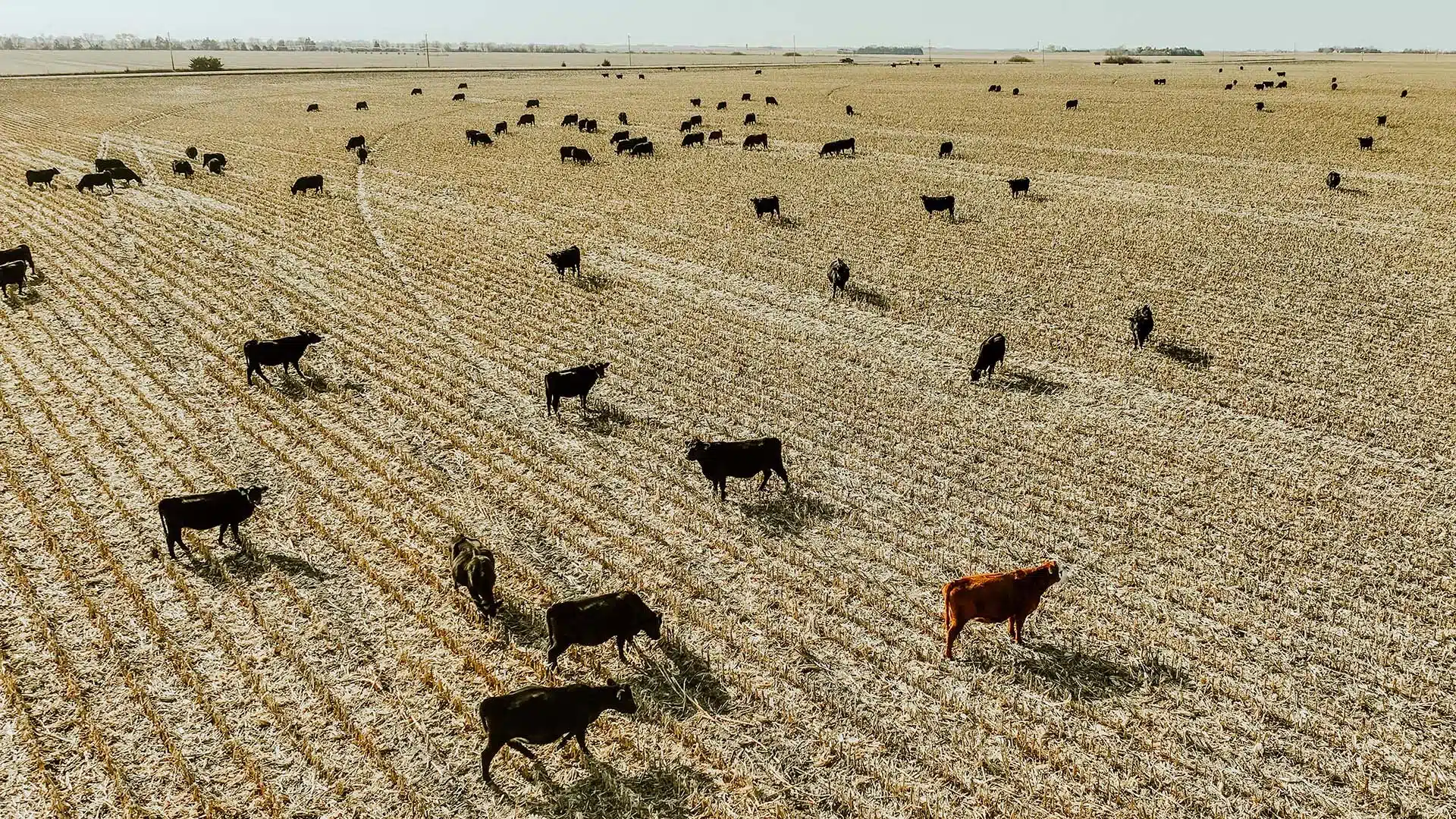
Cattle and Corn: How Nebraska's Nutrient Cycle Works Each year, freshly harvested Nebraska corn goes on a journey. A significant portion goes to nearby cattle farms, where it continues the nutrient cycle and fuels [...]
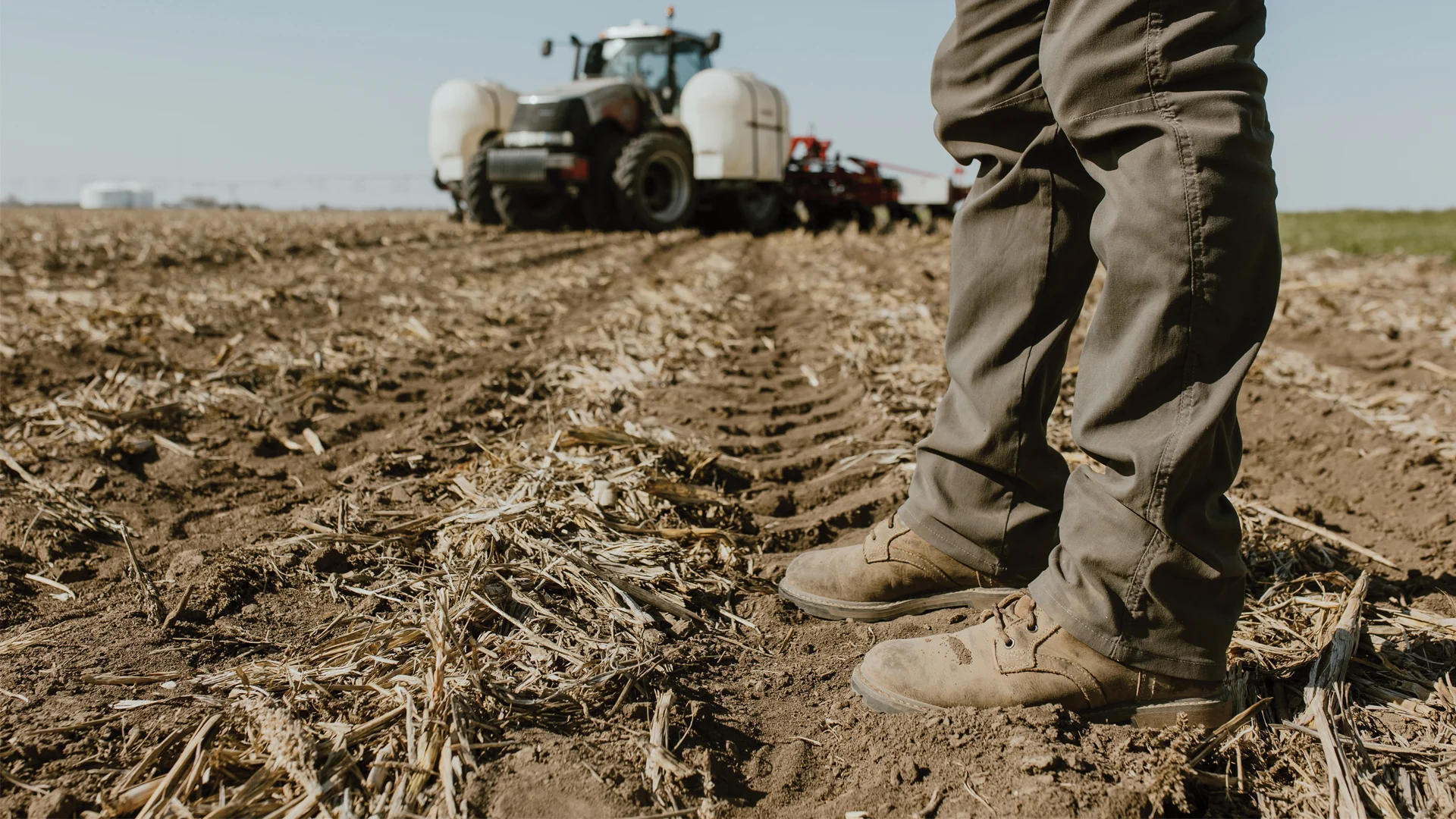
When it comes to farming, trying something new can be a tough decision. A new irrigation strategy, lower nitrogen rate or different grain marketing plan could improve profitability, but it also comes with uncertainty. [...]
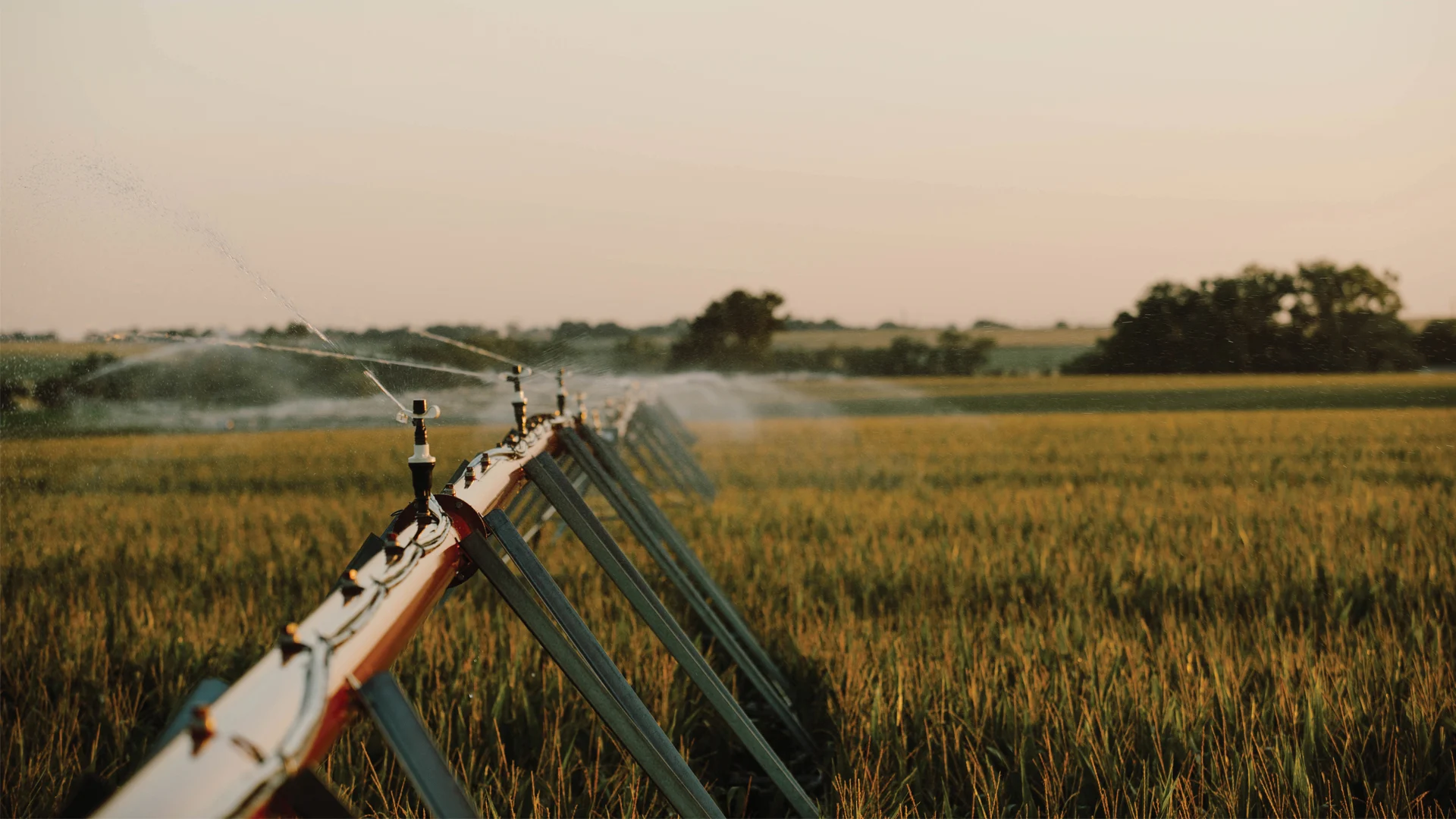
Every season, Nebraska farmers make hundreds of decisions that affect their yields, their profitability and the long-term health of their land. They decide when to irrigate, how much nitrogen to apply, whether to plant [...]