
Ethanol & Biofuels: Nebraska’s Clean-Burning Renewable Fuel
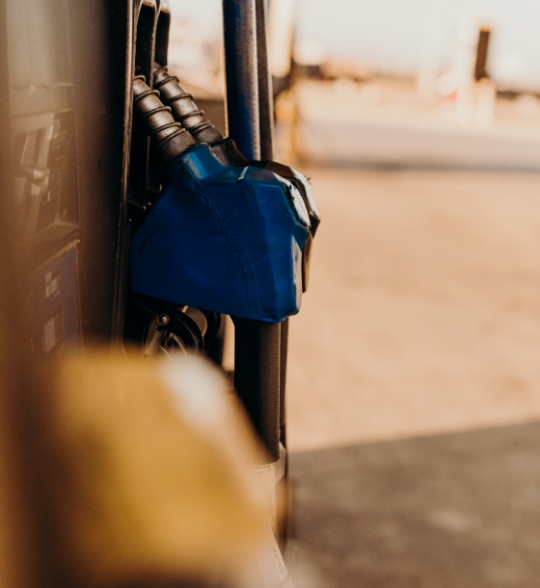
Ethanol is a high-octane, clean-burning renewable fuel blended with gasoline to improve air quality, boost engine performance and lower harmful emissions. This corn-based biofuel is made primarily from field corn, much of which is grown right here in Nebraska, one of the nation’s top ethanol-producing states. From everyday blends like E15 and E10 to higher flex-fuel options, ethanol helps reduce your environmental impact while supporting local corn farmers and Nebraska’s economy. Learn more about the benefits of corn-based ethanol for your vehicle, your wallet and the environment.
How Ethanol is Made and How is it Used?

What are Biofuels?
Biofuels are renewable fuels made from living plants and organic materials. Ethanol is a biofuel because it’s made from plants, usually field corn, which can be planted and harvested year after year. This makes ethanol a sustainable energy source. Other common biofuels include biogas (often made from methane) and biodiesel (made from plant and animal fats).

How is Ethanol Made?
Ethanol biofuel is made from corn by breaking down the starch in the kernels into sugar, then fermenting that sugar into a liquid fuel. The protein and fiber solids left over from the process, called distillers grains, are used as high-quality livestock feed, so nothing goes to waste

Why does Ethanol Benefit the Environment?
Adding ethanol to gasoline reduces air pollution by cutting the greenhouse gases in vehicle exhaust. As a clean-burning renewable fuel, corn-based ethanol lowers the country’s reliance on fossil fuels and shrinks the carbon footprint of everyday driving. Cars and trucks designed for flex fuel can run on either ethanol blends or traditional gasoline, giving drivers a cleaner, more sustainable choice at the pump.

Is Ethanol Safe for my Vehicle?
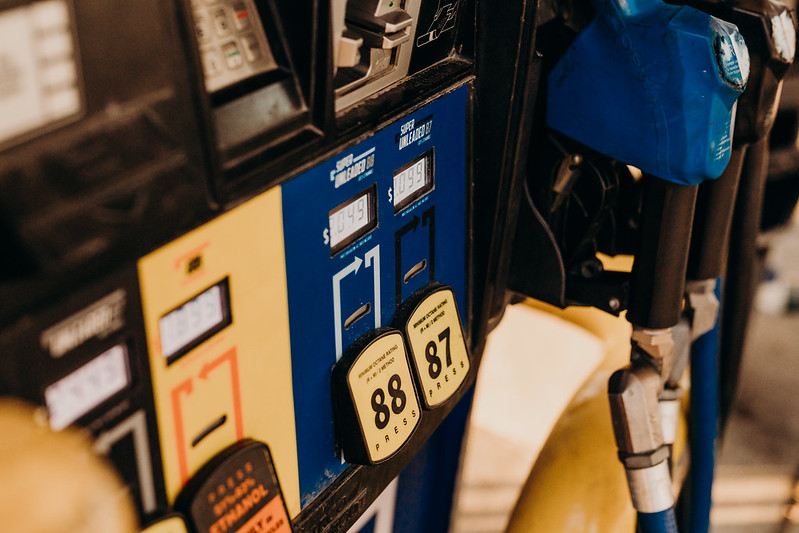
Yes, ethanol is safe and widely used in vehicles across the country. In fact, 98% of vehicle fuel sold in the United States is a blend of up to 10% ethanol, known as E10. Higher ethanol blends like E15 are approved for most cars built in 2001 or newer, and flex-fuel vehicles can run on blends up to E85. In addition to being safe, ethanol can raise a fuel’s octane and help engines run cleaner by reducing harmful buildup.
The Benefits of Ethanol: Cleaner, Cheaper, Safer
Corn-based ethanol and other biofuels are an eco-friendly fuel for modern driving. Because ethanol is made from Nebraska-grown corn, it also increases profitability for farmers by providing a valuable market for their crops. It also saves consumers money at the pump, because ethanol-gasoline blends are typically less expensive than unblended fuel.

Cleaner for the Environment
Ethanol is energy positive, meaning it produces more energy than it takes to make it. In fact, corn-based ethanol reduces greenhouse gas emissions by up to 43% compared to petroleum-based gasoline. To put that in perspective, the amount of ethanol used worldwide each year is the equivalent of removing 20 million cars from the road, a major win for cleaner air and a healthier planet.
Save Money at the Pump
E15 gasoline, which is a blend of gasoline and up to 15% ethanol, is one of the easiest ways to save money at the pump. Because ethanol blends usually cost less than straight gasoline, E15 is often priced 50 to 80 cents per gallon lower than regular non-ethanol fuel. For example, if regular gas is $3.55 per gallon and E15 is $2.75, that’s an 80-cent savings per gallon.
While E15 contains slightly less energy than pure gasoline, the price savings more than makes up for any minor difference in fuel economy. That means your cost per mile is lower. Because E15 is approved for use in more than 95% of cars, trucks and SUVs on the road today, that means most drivers can fuel up and save with confidence.
Safer for Your Family & Your Health
The air outside isn’t the only thing to consider when choosing the right fuel. Unlike gasoline, clean-burning ethanol doesn’t release deadly toxins into the air we breathe.
Regular gasoline contains a harmful combination of cancer-causing toxins known as BTX, short for benzene, toluene and xylene. These carcinogens are added to boost octane at the expense of human health.
Ethanol is a natural, safe octane booster. Blending ethanol into gasoline increases the octane without the toxic tradeoffs.
Common Ethanol FAQ’s
Where to Find Ethanol and E15 Near You

| E10UNL 87 | E15UNL 88 | E85Flex fuel | |
|---|---|---|---|
| Ethanol content | 10% | Up to 15% | Up to 85% |
| Octane rating | 87 | 88 | 100+ |
| Vehicle eligibility | All gas vehicles | 2001 or newer | Flex fuel only |
| Cost vs. regular gas | Standard | 10–30¢ less/gal | Varies |
| Availability | Everywhere | Growing | Select stations |
Nebraska’s Efficient, High-Yield Ethanol Production
According to the latest USDA research, every 1 unit of energy invested in the corn ethanol production process yields 2.3 units of usable energy in the form of ethanol. That means corn-based ethanol has a positive energy balance. We get more energy out of a gallon of ethanol than it takes to produce it, including the energy required to grow, transport and process the corn.
Thanks to improved ethanol production technology and new precision farming practices, that energy balance keeps getting better. The thermal energy needed to make a gallon of ethanol has dropped 36% since 1995, electricity use needed to produce ethanol is down 38%, and producers are now producing 12% more ethanol out of every bushel of corn. The means ethanol is cleaner and more efficient than ever.
Nebraska Corn’s Ethanol Producer Stats
U.S. Ranking
2nd
largest ethanol producer
Ethanol Plants
24
across Nebraska
Annual capacity
2B+
gallons of ethanol
Corn Used
750M+
bushels per year
Distillers grains
6M+
tons produced annually
Ethanol Co-Products: More Than Just Fuel
With 2.4 billion gallons of ethanol produced in Nebraska each year, it’s easy to see why this renewable biofuel commands so much attention. But fuel isn’t the only valuable product created by the state’s 24 ethanol plants. They also produce a range of high-value ethanol co-products used for cattle feed and livestock nutrition, beverage carbonation and more. The most widely used co-products are distillers grains, corn gluten meal, corn oil and carbon dioxide.
Nebraska Corn into Food & Fuel
Nebraska corn used for ethanol
99% field corn
Not the sweet corn we eat
Nutritional value retained
40%
Returned to feed sector as distillers grains
While many people assume ethanol can be made from any type of corn, the corn used to make ethanol is made from field corn, which is the type of corn most often grown in Nebraska. Corn-based ethanol production accounts for less than 5% of the world’s total grain production, just 175 million metric tons out of 3.6 billion. The vast majority of corn is used as livestock feed and ingredients in everyday products.
The “food vs. fuel” debate ignited between 2008 and 2011, when global grain prices doubled amid rising worldwide demand. Because this coincided with significant growth in ethanol’s grain demand beginning in 2002, the ethanol industry was blamed for the spike in food prices. But the biggest driver of food prices during this period was actually the soaring cost of crude oil, which peaked at $145 per barrel in 2008. Spiking oil prices drove up the cost of transporting grain to processors and food products to grocery stores.
The implied connection between ethanol production and food prices is a myth. Today, ethanol production is at a record high, and grain stockpiles remain at some of the highest levels in history. Nebraska ethanol plants continue to improve their efficiency, producing more gallons of clean-burning fuel from the same volume of feedstock while using less energy. Meanwhile, farmers grow more grain year after year to meet rising global demand for meat and dairy.
To sum it up: there’s more than enough corn to power our cars, feed our livestock and help feed a growing world.
From Fuel to Feed: Recycling Distillers Grains Back into Food
Conventional ethanol is produced from the starch in kernels of field corn. The protein and fiber that remain become distillers grains, the high-quality animal feed eaten by livestock such as cattle. In fact, nearly 40% of the nutritional value of the corn used in ethanol production is retained and returned to the feed sector in the form of distillers grains and corn oil. This nutrient-rich livestock feed is then used to produce the meat, eggs and dairy products that nourish families across the globe. This makes corn-based ethanol production a sustainable, zero-waste cycle that fuels our vehicles and helps feed the world.
We don’t have to choose between food and fuel. When ethanol is produced from corn, we’re producing both.
Ethanol Infrastructure Grant Program
The Ethanol Infrastructure Grant Program helps expand and strengthen ethanol fueling infrastructure across Nebraska. Through the program, eligible Nebraska fuel retailers can apply to receive up to $50,000 to upgrade their equipment and offer higher ethanol blends. This funding supports the statewide expansion of cleaner, higher-octane fuels, including E15, E30 and E85, giving more Nebraskans access to affordable, clean-burning, corn-based biofuel at the pump. By investing in ethanol infrastructure, the program helps retailers meet growing demand while supporting Nebraska corn farmers and the state’s renewable fuel economy.
Related Posts

As hot August days finally start to cool, the countdown to field corn harvest begins on Nebraska’s family farms. Peak water use is over and kernels are filling, but farmers are still watching moisture levels as the [...]
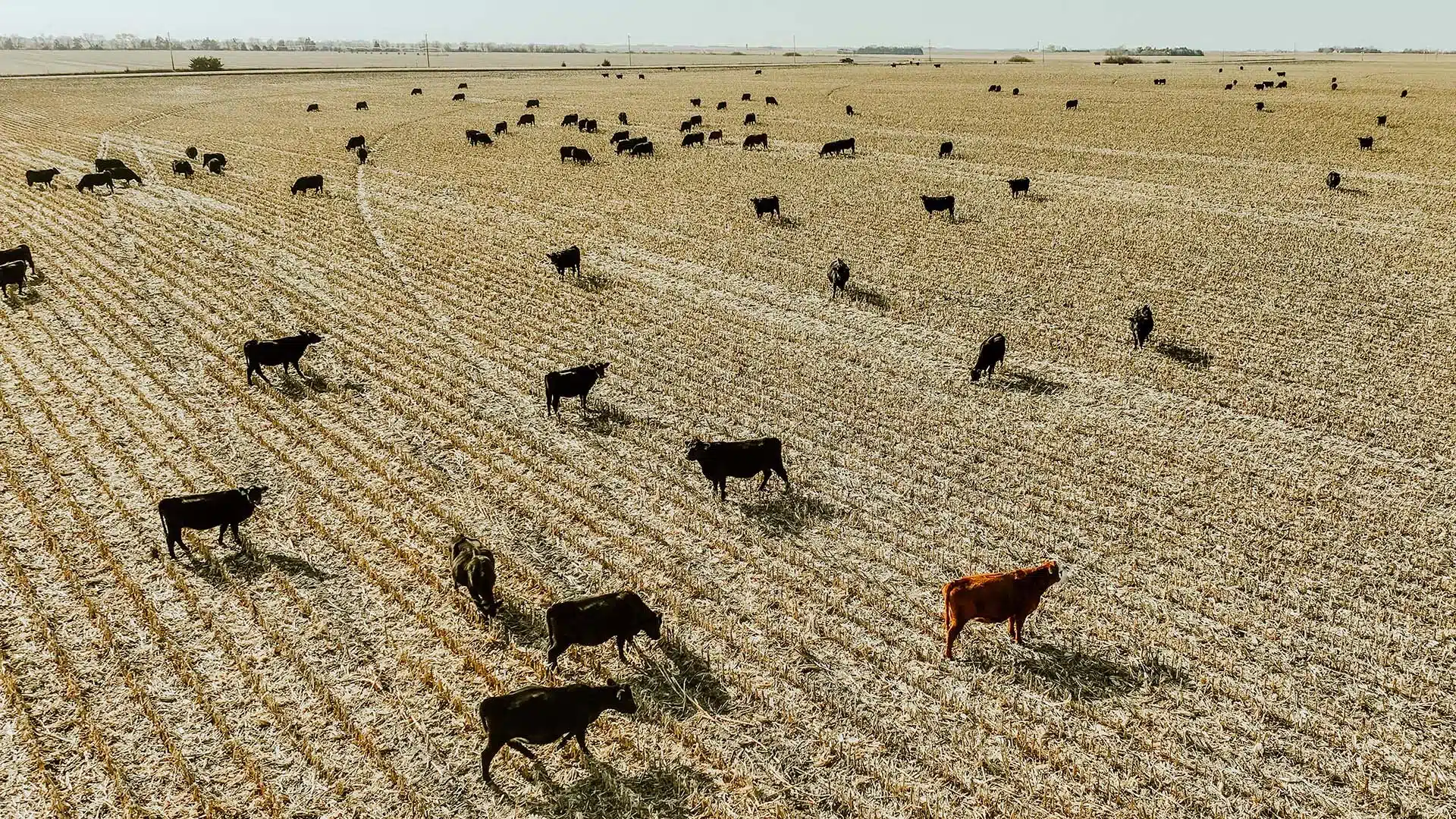
Cattle and Corn: How Nebraska's Nutrient Cycle Works Each year, freshly harvested Nebraska corn goes on a journey. A significant portion goes to nearby cattle farms, where it continues the nutrient cycle and fuels [...]
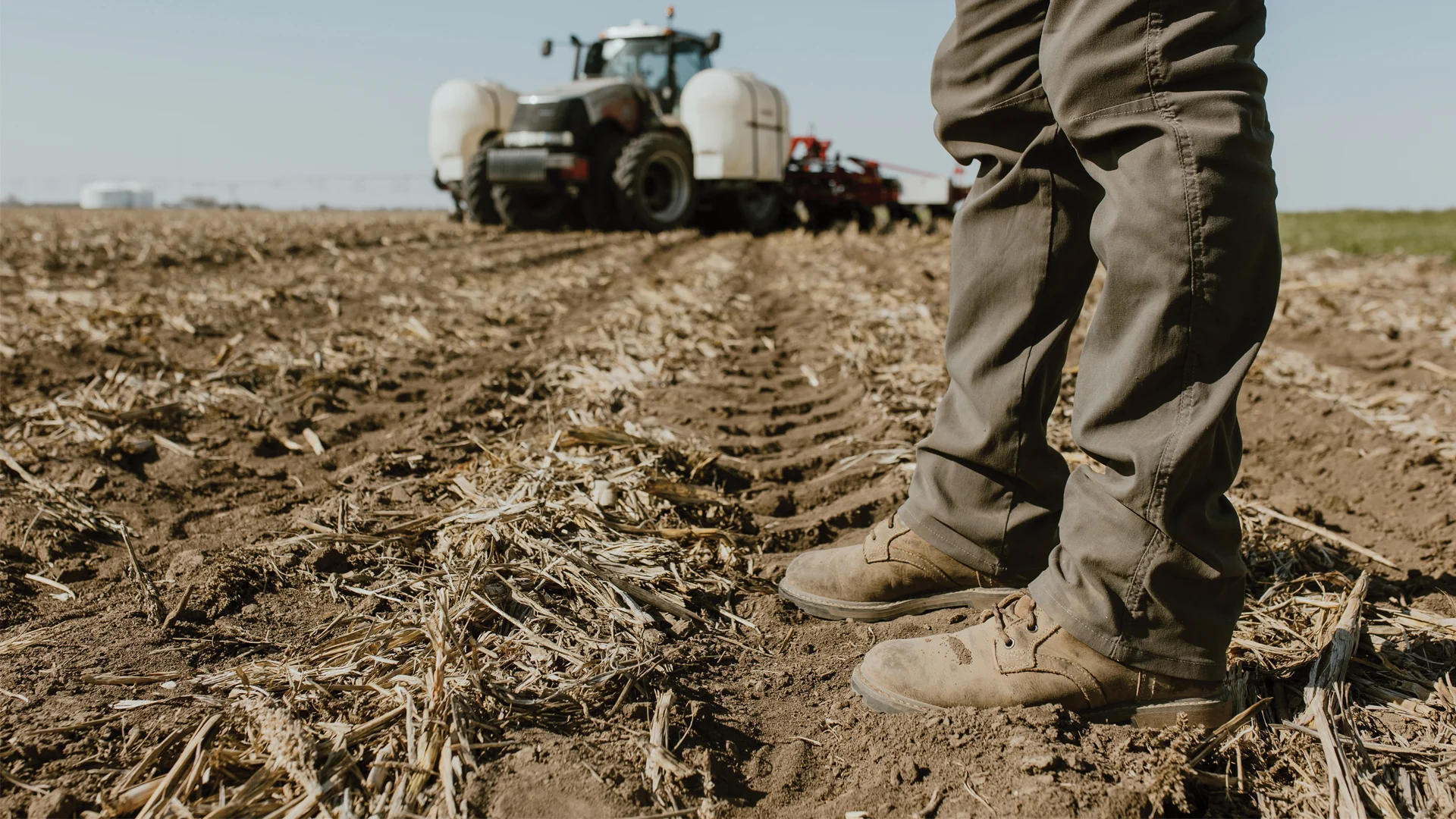
When it comes to farming, trying something new can be a tough decision. A new irrigation strategy, lower nitrogen rate or different grain marketing plan could improve profitability, but it also comes with uncertainty. [...]