
For farmer Matt Sullivan, coming back to Nebraska to work his family’s land was never just a career move. It was a dream he and his wife spent decades working toward.
After growing up on his family’s farm near Superior, Sullivan left for Oklahoma during the farm crisis of the 1980s and built a successful career in food science. But even after 24 years away, he and his wife never stopped thinking about home.
In 2010, the timing finally felt right to move back.
“I still remember it,” Sullivan said, “I was talking with my father-in-law during irrigation season. He was working really hard, and it dawned on me that I wanted to continue the legacy. We bought them out and moved back home, which was a dream come true.”
Still, the decision wasn’t easy. Sullivan and his wife were leaving behind stable careers to return to a profession shaped by unpredictable weather, changing markets and constant risk.
“It’s scary when you come back and you’re self-employed and you can’t control the weather or the markets,” Sullivan said.
Today, Sullivan farms alongside his son, who returned to the operation after college with new technology and fresh ideas. Together, they raise corn and soybeans on both dryland and irrigated acres in south-central Nebraska. Their operation includes center pivots and subsurface drip irrigation systems designed to conserve water while maximizing crop performance.
“When I was growing up, everything was flood irrigated,” Sullivan said. “Now, to conserve water, most every piece of ground is either pivot or subsurface drip.”
Modern technology allows Sullivan to monitor soil moisture levels, crop water use and irrigation systems remotely from a phone or computer. Throughout the growing season, he uses real-time data to determine exactly how much water crops need and when they need it.
“We’re trying to get to that sweet spot where we maximize yield with the lowest input, lowest cost and most conservation of our water,” Sullivan said.
But even with advanced technology, farming still requires constant attention.
“Some people think, ‘Oh, you’ve got a pivot. It’s no big deal,’” Sullivan said. “But there could be a flat tire, a gearbox out or a nozzle that breaks. It’s constant work throughout the summer to get the crop to harvest.”
Most mornings during irrigation season begin with Sullivan loading June, the family’s 11-year-old Labrador, into the side-by-side before heading out to check pivots and irrigation systems.
“She’s always wanting to ride,” Sullivan said.
For Sullivan, the work is demanding, but it is also deeply meaningful. Farming is more than a livelihood. It is his family history, his responsibility and the future he chose to return home for.
“We’re here to feed the world. We’re great stewards of the land; we’re great stewards of our livestock; and we’re here to provide nutrition and great food to the public,” Sullivan said. “If ag is doing well, then the rural communities are doing well.”
“That’s why I’m a Nebraska corn farmer, and there’s nothing else I would rather be.”
Related Posts
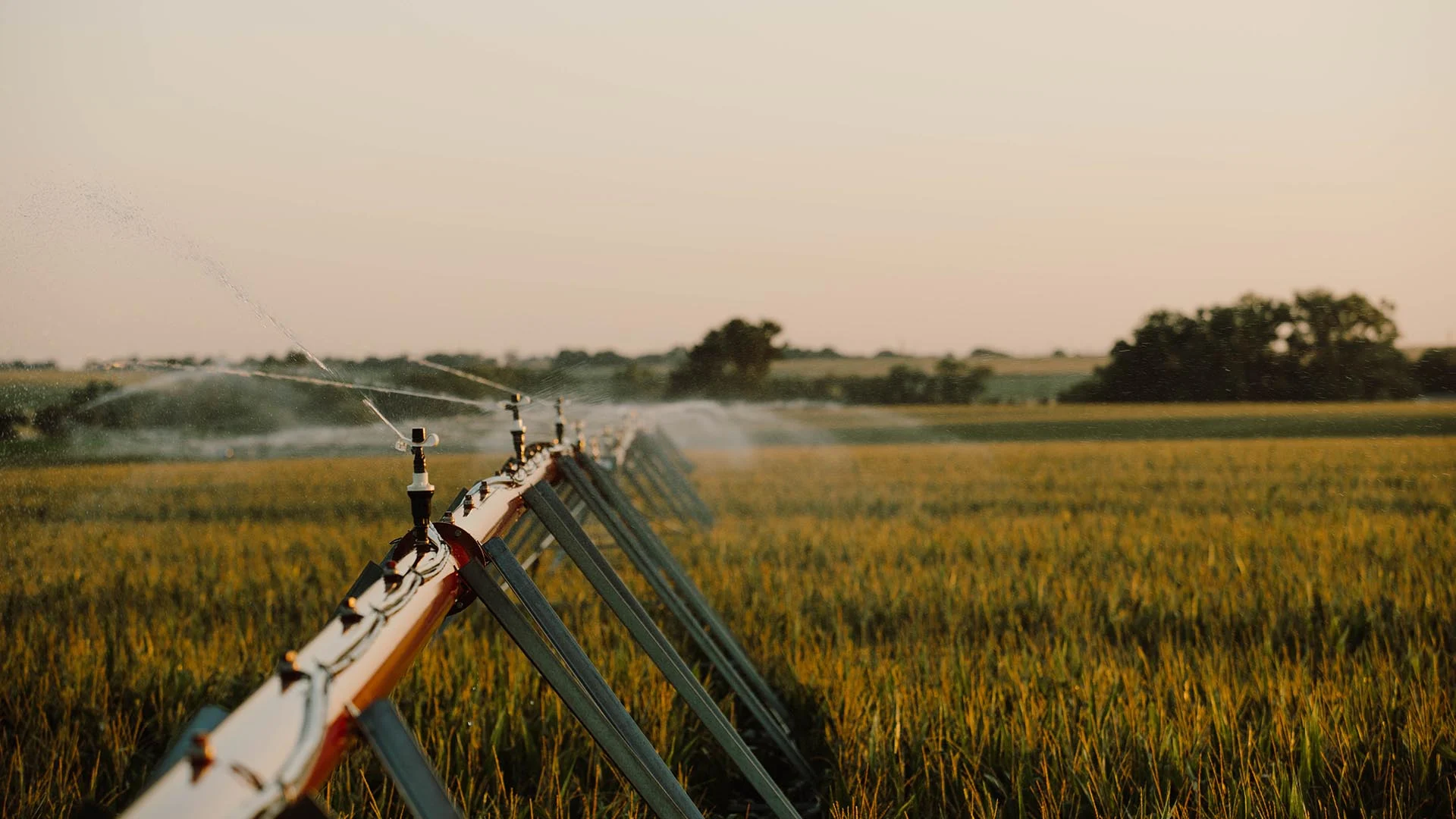
As hot August days finally start to cool, the countdown to field corn harvest begins on Nebraska’s family farms. Peak water use is over and kernels are filling, but farmers are still watching moisture levels as the [...]
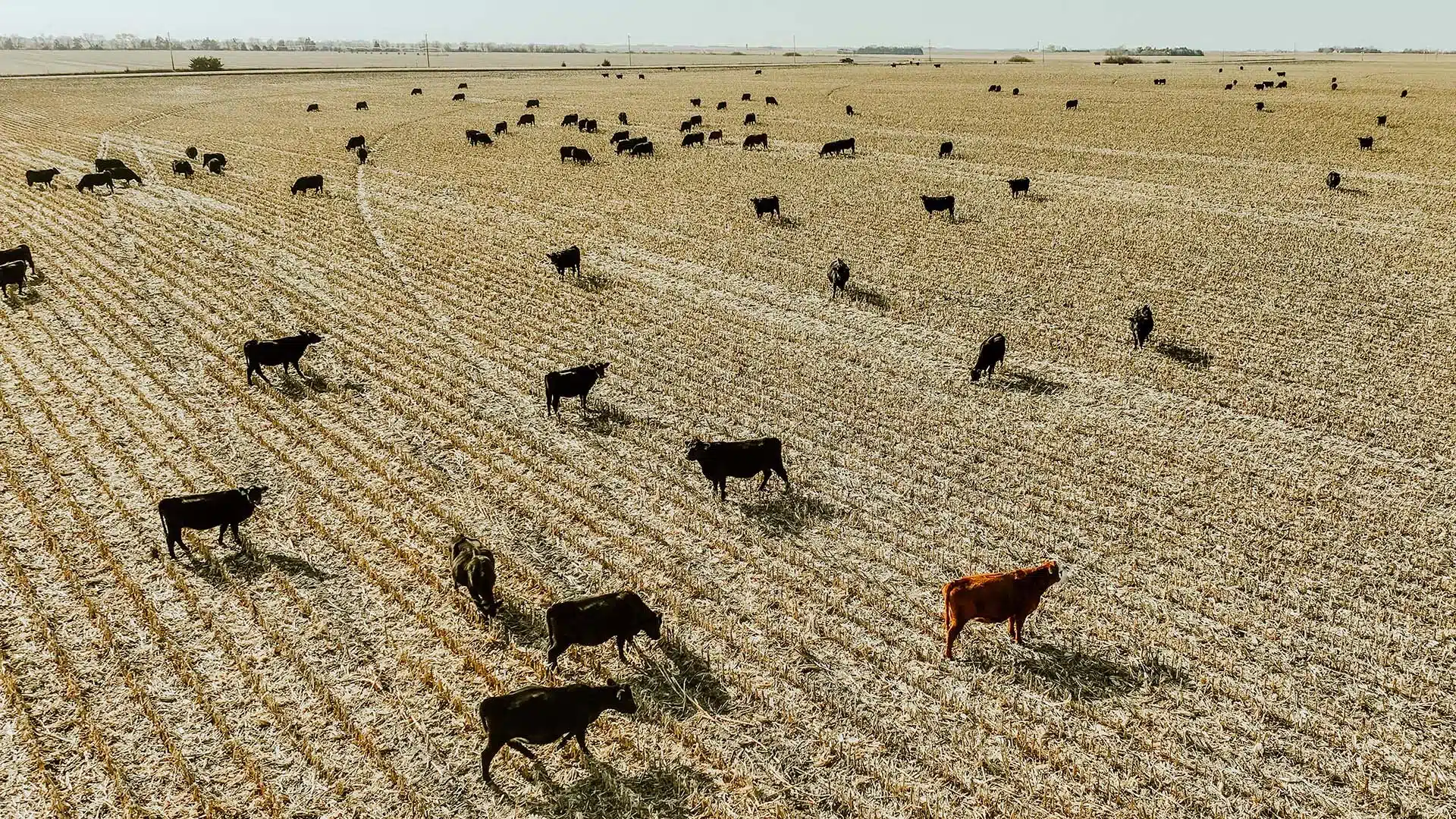
Cattle and Corn: How Nebraska's Nutrient Cycle Works Each year, freshly harvested Nebraska corn goes on a journey. A significant portion goes to nearby cattle farms, where it continues the nutrient cycle and fuels [...]
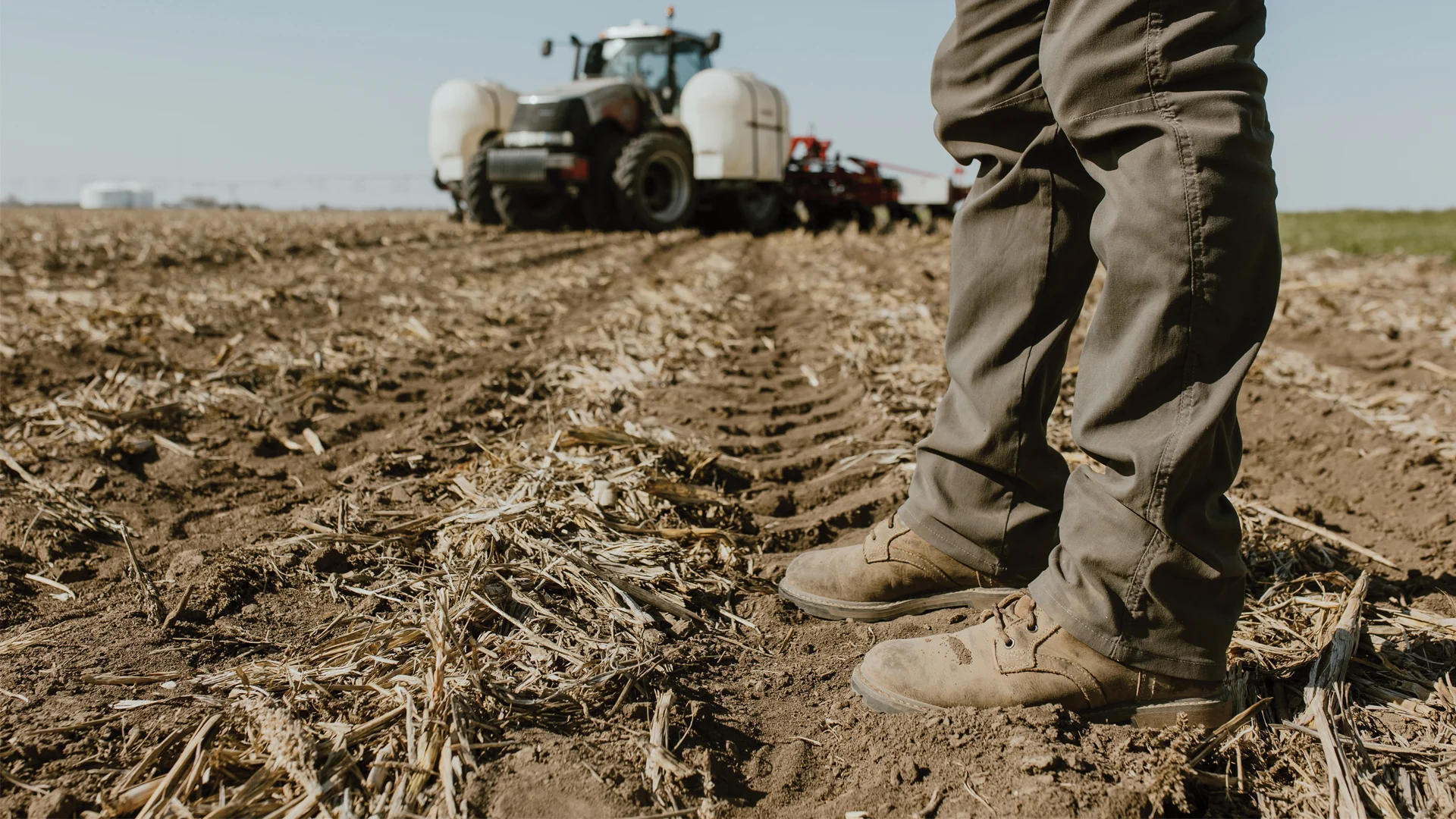
When it comes to farming, trying something new can be a tough decision. A new irrigation strategy, lower nitrogen rate or different grain marketing plan could improve profitability, but it also comes with uncertainty. [...]