
What Is Ethanol?
Ethanol is a high-octane, clean-burning renewable fuel that’s added to gasoline to improve air quality, engine performance and environmental impact. Ethanol is primarily made from field corn, much of which is grown right here in Nebraska. Learn more about the benefits of corn-based ethanol for you and the environment!
How Ethanol is Made and How is it Used
Ethanol is an eco-friendly biofuel that powers our cars, trucks and equipment with renewable resources. Made from plants, ethanol is a sustainable biofuel product that reduces pollution while providing an economic benefit to rural communities in Nebraska and across the country.
Learn more about how ethanol is produced and how it benefits the environment:
- What Are Biofuels? Biofuels are fuels made from living things. Ethanol is a biofuel because it is made from plants, usually corn. Ethanol is sustainable because corn can be planted and grown year after year. Other common biofuels include biogas (often made from methane gas) and biodiesel (made from the fats in plants and animals).
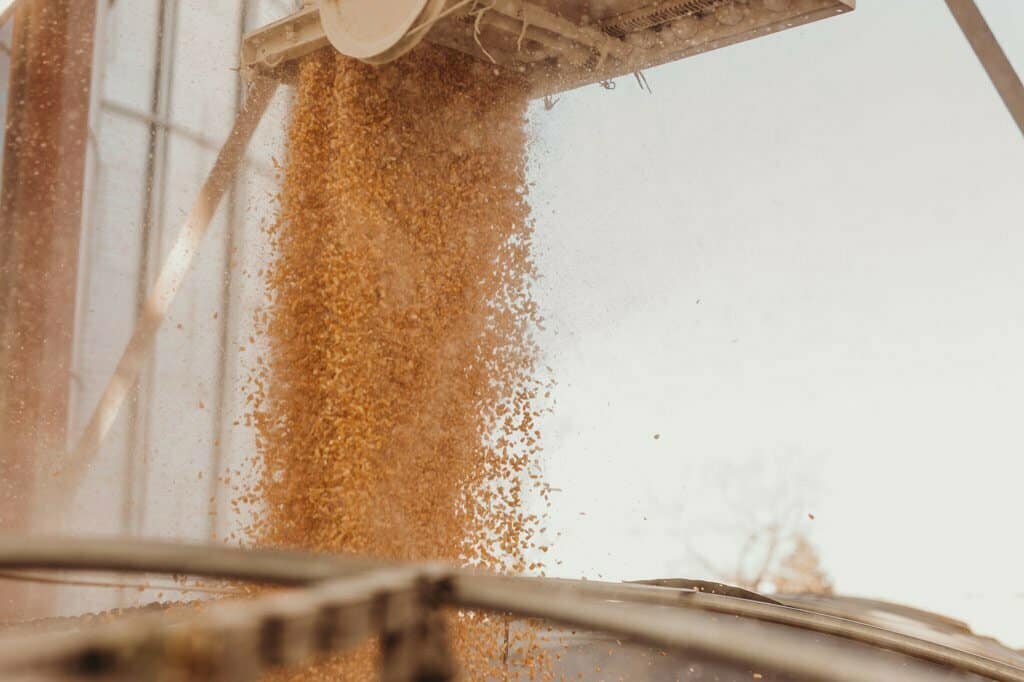
- How Is Ethanol Made? Ethanol biofuel is made from corn by breaking down the starch in kernels into sugar and then fermenting it into a liquid. Protein and fiber solids left over from the making of ethanol, called distillers’ grains, are used as a high-quality livestock feed. Learn more about the ethanol production process.
- How Does Ethanol Reduce Pollution? Adding ethanol to gasoline reduces air pollution by reducing the amount of greenhouse gasses in vehicle exhaust. Cars and trucks designed to run on flex fuel can use either ethanol biofuel or traditional gasoline for power. Blending ethanol with gasoline can sometimes increase the fuel’s octane and can help engines run better by cleaning the engine and preventing buildup of deposits. Ninety-eight percent of vehicle fuel sold in the United States is a blend of up to 10% ethanol, called E10.
The Benefits of Ethanol
Regardless of where you’re going, ethanol and other biofuels are an eco-friendly way to get there. Plus, because ethanol production uses corn grown here in Nebraska, which is a renewable resource that can be planted and harvested year after year, fueling up with ethanol helps improve sustainability and energy security. Even better for your pocketbook, ethanol saves you money at the pump!
Cleaner for Our Earth
Ethanol is energy positive, which means that it produces more energy than we use to make it. In fact, ethanol reduces greenhouse gases by up to 43%, when compared to petroleum-based gasoline. To put that in perspective, the amount of ethanol used around the world each year equates to removing 20 million cars from the road!
Better for Your Budget
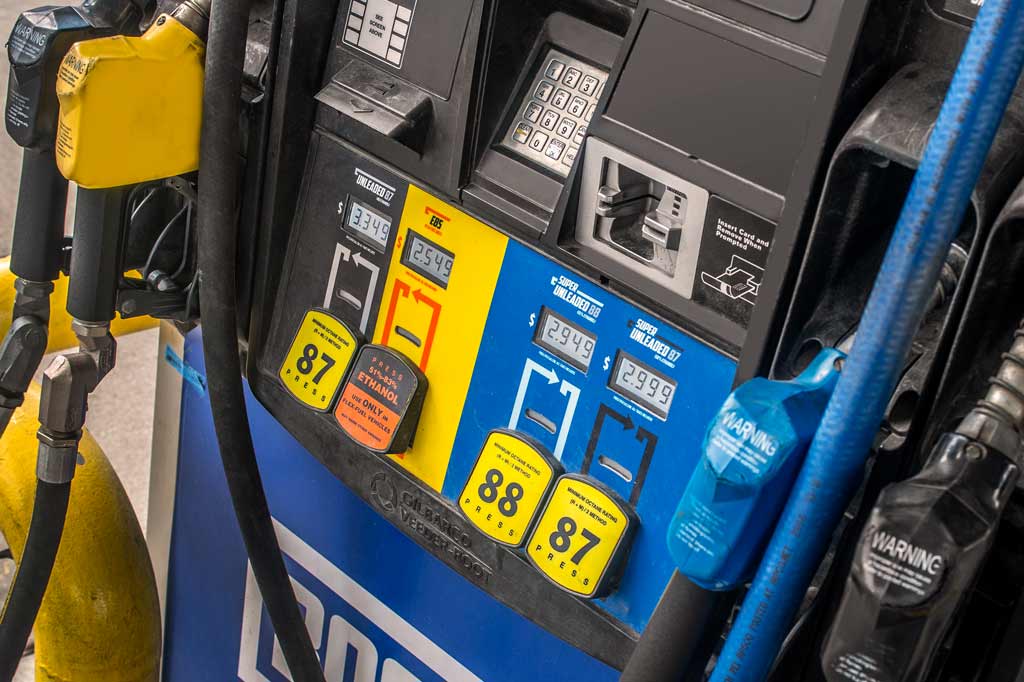
E15 gasoline, blended with 15% ethanol, is one of the easiest ways to save money at the pump. Because ethanol typically costs less than straight gasoline, E15 is often priced 50 to 80 cents per gallon lower than regular non-ethanol fuel.
For example, if regular gasoline is $3.55 per gallon and E15 is $2.75, that’s an 80-cent savings per gallon real money that adds up quickly over time. While E15 contains slightly less energy than pure gasoline, the price savings more than make up for any minor difference in fuel economy.
That means your cost per mile is lower with E15, making it a smart choice for your wallet and for the environment. Plus, E15 is approved for use in more than 95% of cars, trucks, and SUVs on the road today, so most drivers can take advantage of the savings with confidence.
Safer for Your Family
The atmosphere isn’t the only thing to consider when choosing the fuel that’s right for your family. Unlike gasoline, ethanol does not release deadly toxins into our air.
Gasoline contains a lethal combination of cancer-causing toxins known as BTX – short for benzene, toluene and xylene. These carcinogens are added to gasoline to enhance octane – at the expense of human safety.
Ethanol is a natural (and safe) octane booster. The more ethanol blended into traditional gasoline, the higher the octane.
Common Ethanol FAQ’s
Ethanol Infrastructure Grant Program
The Ethanol Infrastructure Grant Program aims to enhance ethanol fueling infrastructure across Nebraska. Retailers within the state are eligible to apply for and potentially receive up to $50,000. This initiative aims to enhance ethanol infrastructure in Nebraska by supporting the expansion of higher ethanol blends, including E15, E30 and E85.
Making the Most of Ethanol Production
According to the latest USDA research, 1 unit of energy invested in the corn ethanol production process results in 2.3 units of usable energy in the form of ethanol.
That means ethanol has a positive energy balance. We get more energy out of a gallon of ethanol than it takes to produce it – including the energy it takes to grow, transport and process the corn used to make ethanol. Improved ethanol production technology and new precision farming practices have dramatically improved the energy balance of ethanol. The amount of thermal energy required to make a gallon of ethanol has fallen 36% since 1995, while electricity use is down 38%. At the same time, producers are squeezing 12% more ethanol out of every bushel of corn.
Nebraska is the nation’s second largest ethanol producer. There are 24 ethanol plants in Nebraska which have a total production capacity of more than 2 billion gallons annually. Combined, these plants use more than 750 million bushels of corn per year and produce more than 6 million tons of distillers grains, a high protein livestock feed.
Ethanol Co-Products
With 2.4 billion gallons of ethanol produced in Nebraska each year, it’s easy to see why the renewable biofuel commands so much attention. However, it’s not the only important product created by the state’s 24 ethanol plants. They also produce high-value ethanol byproducts used for cattle feed and nutrition for other livestock, beverage carbonation and more. Several co-products are created during the ethanol production process, but the most widely used are distillers grains and corn gluten meal, corn oil and carbon dioxide. Learn more about byproducts of ethanol production!
Corn Into Food and Fuel
While many people assume ethanol can come from any type of corn, the type of corn used to make ethanol is not the sweet corn we eat. Some 99% of the corn grown in Nebraska is field corn, which is rarely used for food.
Ethanol production accounts for less than 5 percent of the world’s total grain production – just 175 million metric tons out of 3.6 billion. The vast majority of grain is used for livestock feed and corn products.
The food or fuel debate ignited in 2008-2011, when grain prices doubled due to increased demand around the world. Because this coincided with significant growth in grain demand for ethanol beginning in 2002, the blame for price increases in food was placed on the ethanol industry.
But the greatest impact on food prices during this period was the increase in the price of crude oil, which peaked at $145 per barrel in 2008. Spiking oil prices increased the cost to transport grain to processors and transport food products to grocery stores.
The implied connection between ethanol production and food prices is a myth. Today, ethanol production is at a record high – and stockpiles of grain are at some of the highest levels in history.
Nebraska ethanol plants continue to improve their efficiency and get more gallons of fuel out of the same volume of feedstock with less energy. Farmers continue to grow even more grain year after year to meet increased demand for meat and dairy products among the world’s growing middle class. That means there’s enough corn to power our cars, feed our livestock, and help feed a growing world.
Recycling Distillers Grains Back into Food
Conventional ethanol is produced from the starch within the kernel of that field corn. The protein and fiber that remain become a high-quality animal feed called distillers grains. In fact, nearly 40% of the nutritional value of corn used in ethanol production is retained – and returned to the feed sector in the form of distillers grains and corn oil. That feed is fed to animals to produce meat, eggs and dairy products for families across the globe.
So, we really don't have to make a choice between food and fuel. Because when ethanol is produced from corn, we are producing both fuel and food.
Where to Buy Ethanol
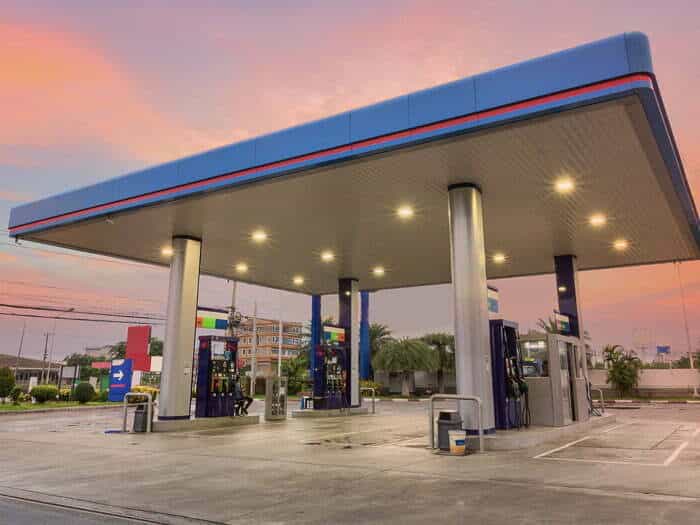
Biofuel can make using your car cleaner and safer, as long as you pick the right blend.
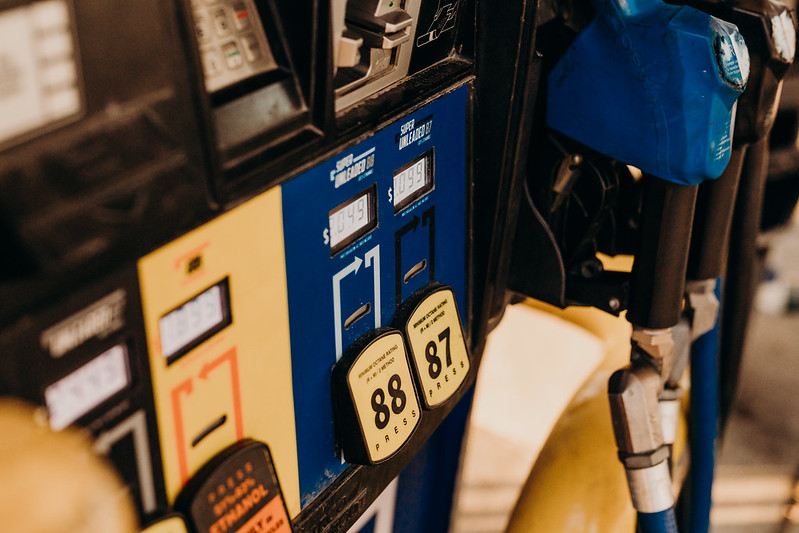
UNL 87 (E10): When you go to the gas station and choose UNL 87 (also called E10, which is 10% ethanol), you’re already pumping some biofuel into your tank. But you can do even more. Now, it’s time to take the next step.
UNL 87/88 (E15): According to the EPA, cars made this century (specifically since 2001) are approved for UNL88 (also called E15, which is 15% ethanol). This increase from E10 to E15 may seem small, but the impact is significant. When you change fuel, you’ll feel great. So will your car – whose engine will burn cleaner as a result.
E20/30/40/50/85: These higher blends are designed for the nearly 23 million flex fuel vehicles on the road today.
Gas costs can be a downer on your wallet. But during Renewable Fuels Month each May, gas pumps across Nebraska help customers with special prices for ethanol blended gasoline. If you live near a participating location, it can be a great way to save on fuel costs.
Want to learn more about how you can use ethanol, like where the nearest ethanol gas station is? Use our biofuel finder tool!
Related Posts

Across much of central Nebraska, farmland adjoins towns, communal waterways and residential areas. Because what happens on the land affects everyone, open communication between producers, neighbors and communities is extremely critical. Nebraska’s Natural Resources [...]
From the Missouri River to the Wyoming border, Nebraska stretches across hundreds of miles of changing soils, climates and growing conditions. To outsiders, it may look like one continuous agricultural landscape. But farmers know [...]
Dryland corn farming, where crops depend entirely on rainfall rather than irrigation water, has always been an exercise in judgment. Without the predictability of irrigation, farmers make real-time decisions based on weather, soil conditions [...]