
Farmers, like those in Nebraska, have a vested interest in protecting the environment. They use a wide range of tools and strategies to safeguard the soil, water, air quality and more. After all, healthy ecosystems provide plenty of the natural resources that farmers rely on. This includes clean water, fertile soil and beneficial insects. These resources help improve yields and support crops dealing with problems like pests or storms. Nebraska corn farmers and their sustainable farming practices protect the environment while still ensuring the land can be efficiently used.
Here Are four Ways Farmers Protect the Environment
- Planting Cover Crops: Cover crops are an important tool farmers use to protect the environment. When planted in the fall, they help prevent erosion by holding the soil in place, as winter can break soil up and blow it away. In addition, cover crops improve soil health by adding organic matter and suppressing weeds. They even help conserve water and reduce the need for chemical fertilizers. As you can see, cover crops are an extremely beneficial strategy!
- No Till Planting: No till planting helps reduce the environmental impact as an alternative to using plows and discing. Instead, corn farmers simply plant their seeds in the existing vegetation. This method preserves valuable topsoil, limits erosion and supports good soil health. As a result, no till planting is an important tool for protecting the environment.
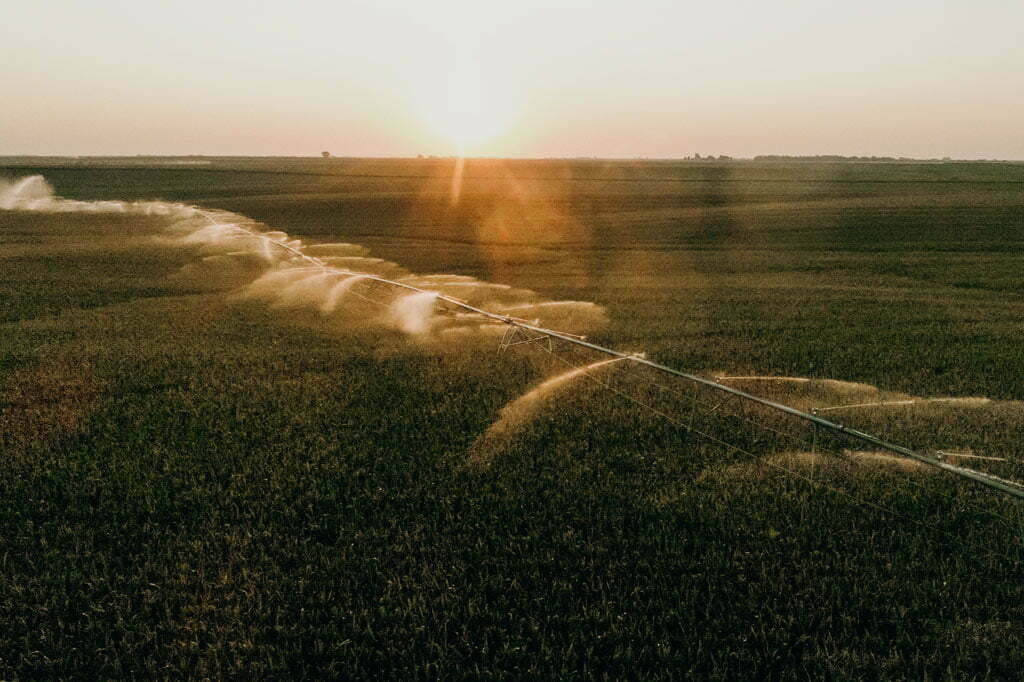
- Water Management Plans: Using innovative technologies and optimized irrigation schedules are just two possible elements in a strong water management plan. Farmers create these according to their land’s specific needs for water conservation. Farming communities share this information to improve results, using less water.
- Crop Rotations: By planting different crops in succession, farmers prevent soil erosion and can replenish vital nutrients back into the soil. Often, farmers in Nebraska and the Midwest rotate between corn and soybeans. Soybeans can help put nitrogen back in the soil that would have been taken for corn. These nutrients could be depleted by mono-cropping for several years in a row. Rotating crops can also help to control blight and pests, as different crops are often susceptible to different species.
Related Posts
Every season, Nebraska farmers make hundreds of decisions that affect their yields, their profitability and the long-term health of their land. They decide when to irrigate, how much nitrogen to apply, whether to plant [...]
As weather patterns become more unpredictable and water resources face increasing pressure, researchers are working to develop corn hybrids that can produce strong yields while using water more efficiently. At the University of Nebraska–Lincoln, plant [...]

Water doesn’t recognize city limits or county lines. Across Nebraska, rural and urban communities rely on the same connected water system, which means protecting it is a shared responsibility. That’s where Nebraska’s Natural Resources Districts [...]