How two brothers are closing the gap between their farm and your table
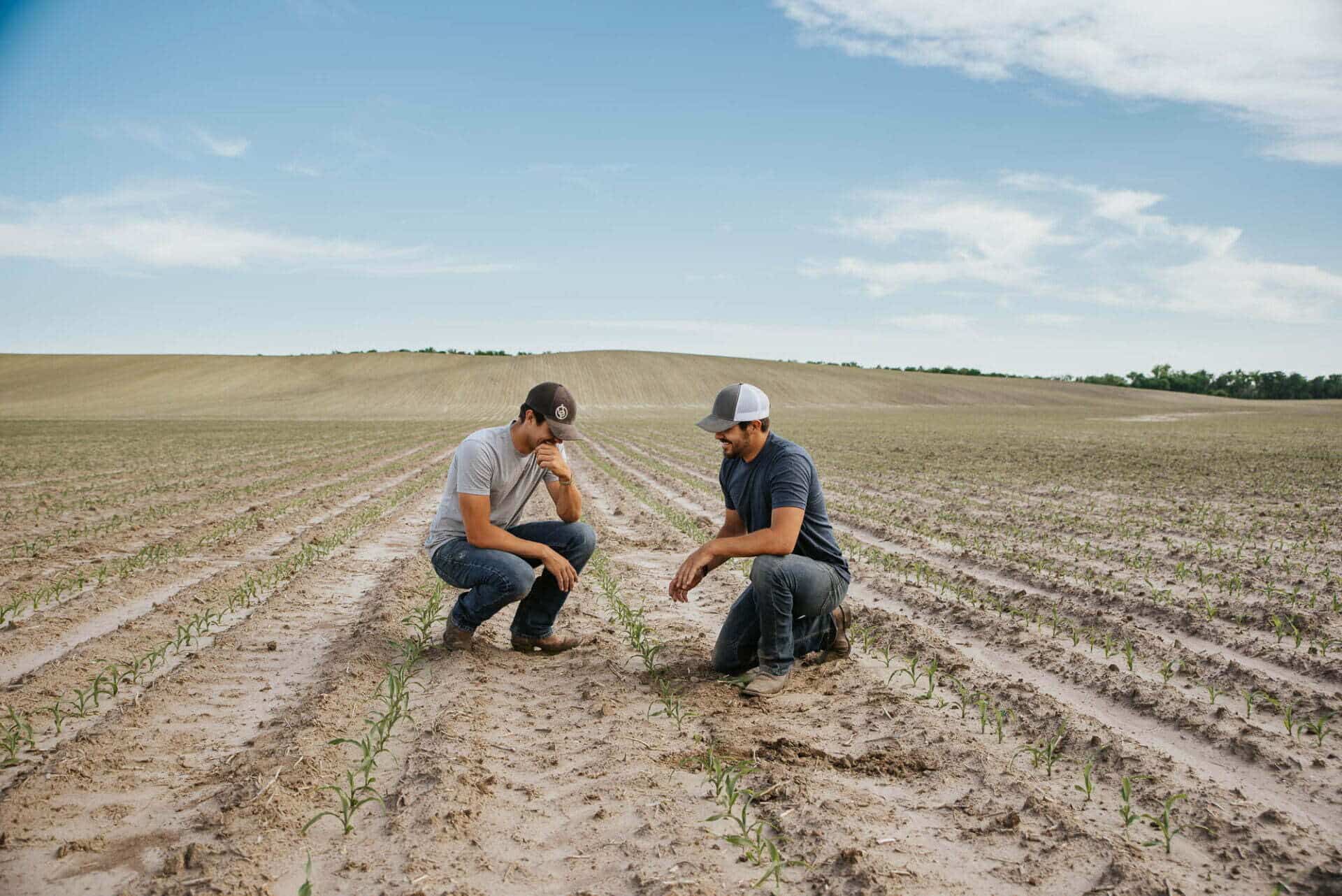
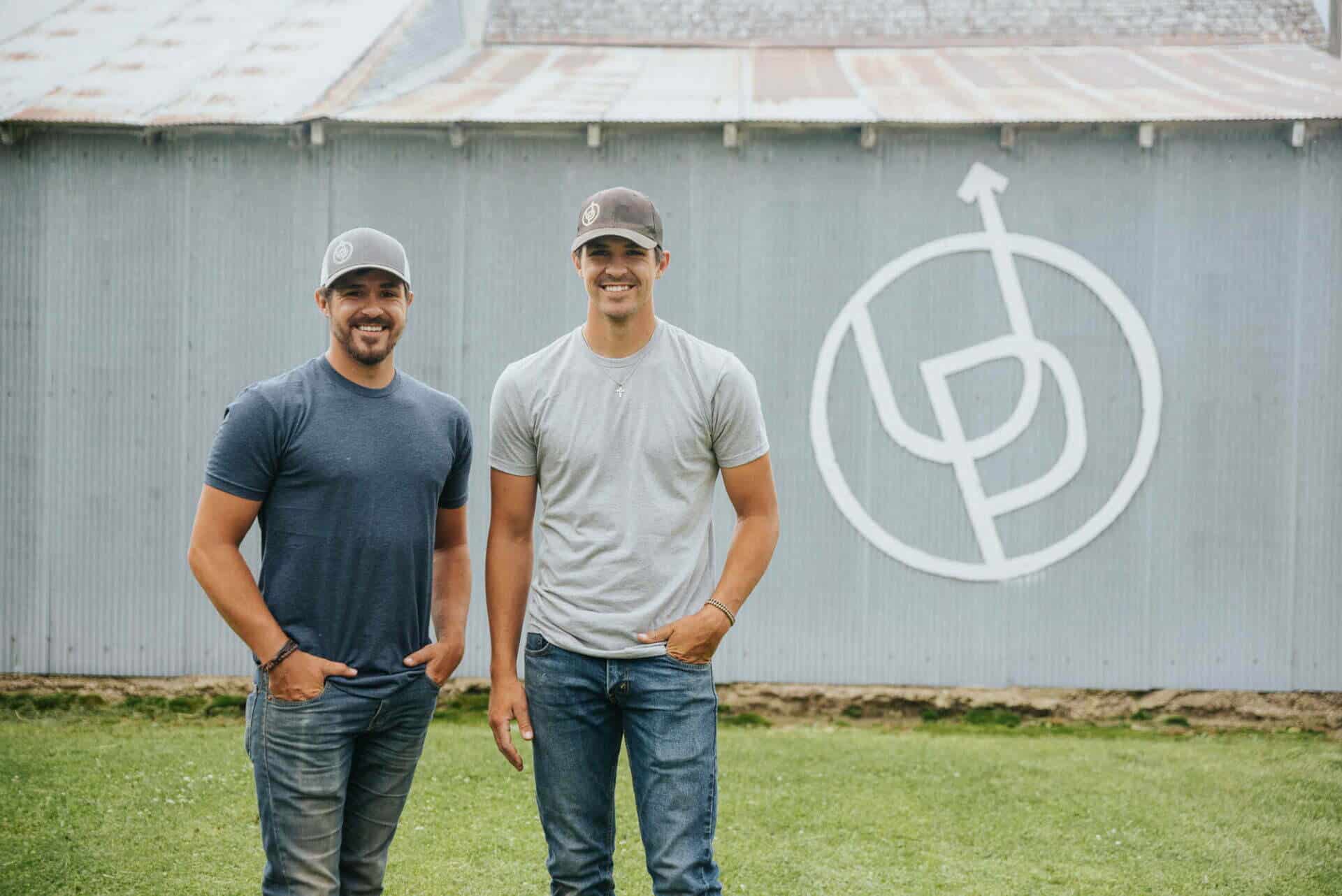
Brugger brothers Joe and Matthew were born to work together – perhaps just like their dad and uncle before them, and their grandfather and great-uncle before them.
But farming isn’t the same business it was 100 years ago when the Brugger family farm was established in Albion, Nebraska.
In recent decades, food producers and food consumers have drifted further from one another.
Consumers rarely purchase goods directly from farmers who grow them. Instead, beef, pork and other similar products are processed and packed – then sold wholesale to grocery stores and other distributors before, finally, consumers are able to purchase them at retail prices.
“Because we made all those efficiencies,” Joe said, “we took out that consumer-producer relationship.”
Joe and Matthew Brugger aim to turn the tables on that model – and pull those tables closer to the farm.
From Family Farm to Farm-to-Table Business
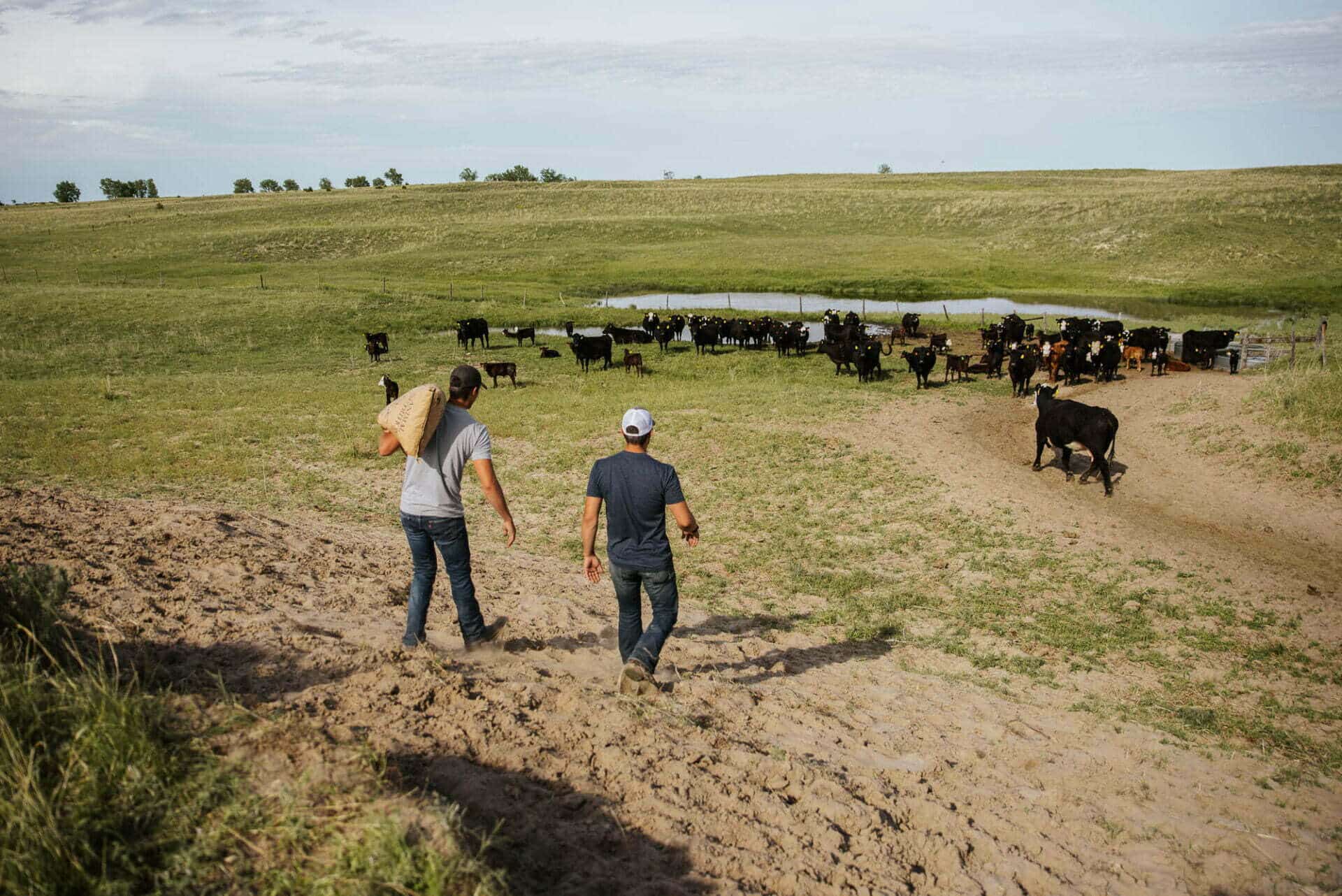
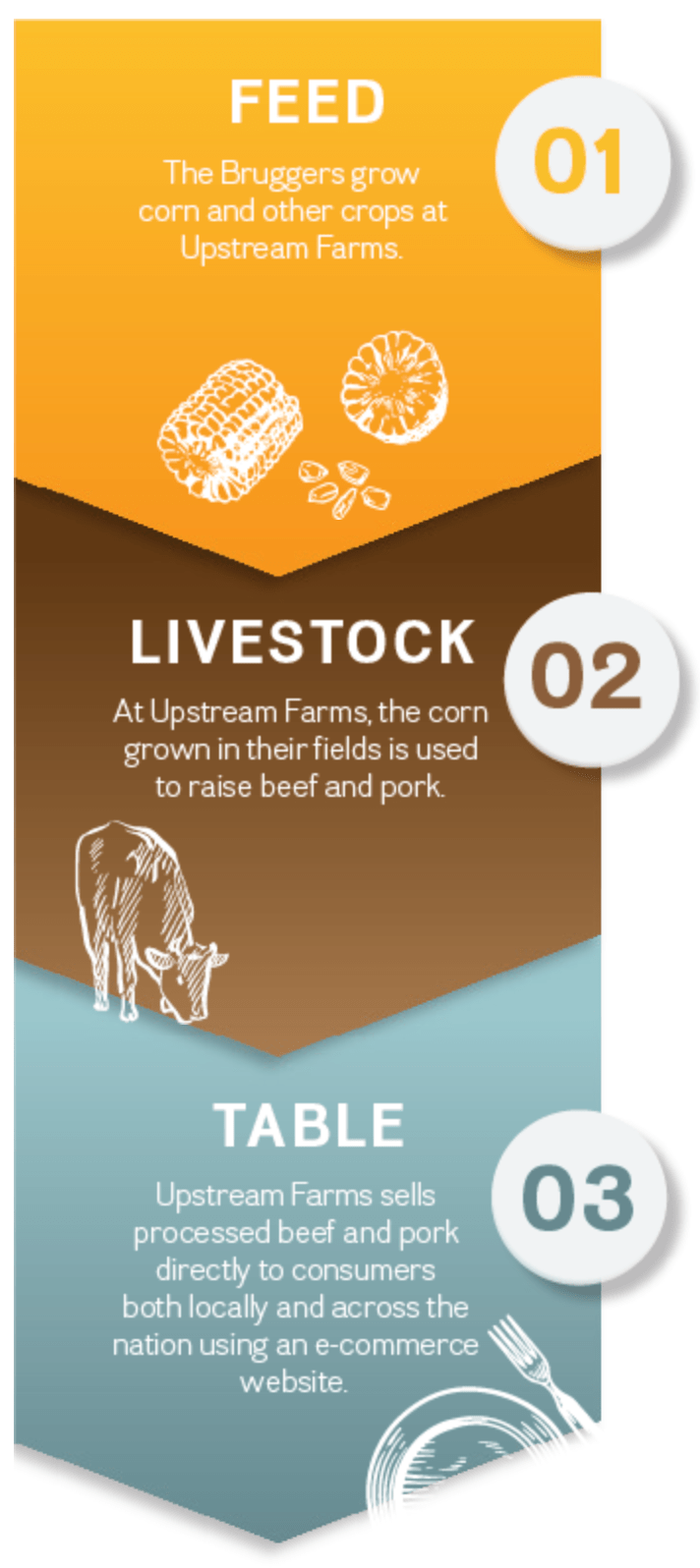
In 2015, the twin brothers founded Upstream Farms with the mission of building relationships with customers buying their beef and pork.
They were still just sophomores at the University of Nebraska-Lincoln, participating in the Engler Agribusiness Entrepreneurship program. Students in the Engler program focus on harnessing our nation’s agricultural strengths to develop their own entrepreneurial ideas.
From its inception, the brothers’ agribusiness has operated in tandem with their family’s farm.
Upstream Farms started out by providing meat at wholesale prices to restaurants, microbreweries and one particularly notable account – the University of Nebraska-Lincoln Athletic Department.
Matthew said that building relationships with wholesale customers while still finding time to grow crops, raise livestock and introduce creative new ideas was a challenge, because supplying restaurants meant being on call 24-7.
When the Brugger brothers moved home after college, they decided to transition to a retail business model – selling directly to individual customers online.
“With an e-commerce business we’re able to fill out orders three times a week and then be done with it,” Matthew said. “We can run the business from our little rural community and be successful – and still be farmers.”
In January 2020, the Bruggers launched Upstream Farms Distillery, where their extra corn is used to produce whiskey.
“We weren’t big drinkers in college,” Matthew laughed. Renovating the old milk barn on their family farm and using it to house a shiny new still seemed like an unexpected direction to some of the Bruggers’ friends, but they say the move makes perfect sense.
After Prohibition, their great-grandfather made wine in the basement of his farmhouse. The Bruggers are proud that – a century later – their business is able to connect with his legacy by bringing not only farm to table but also grain to glass.
“The other thing that’s really cool is that a byproduct of distilling whiskey is distillers grains,” Matthew said. “That’s another high-protein resource for cattle that we also feed to our animals. So it creates this kind of closed-loop system.”
As a whole, the brothers are thankful they get to work together, breaking (literal) ground on new ideas, while building a business in the industry they grew up loving.
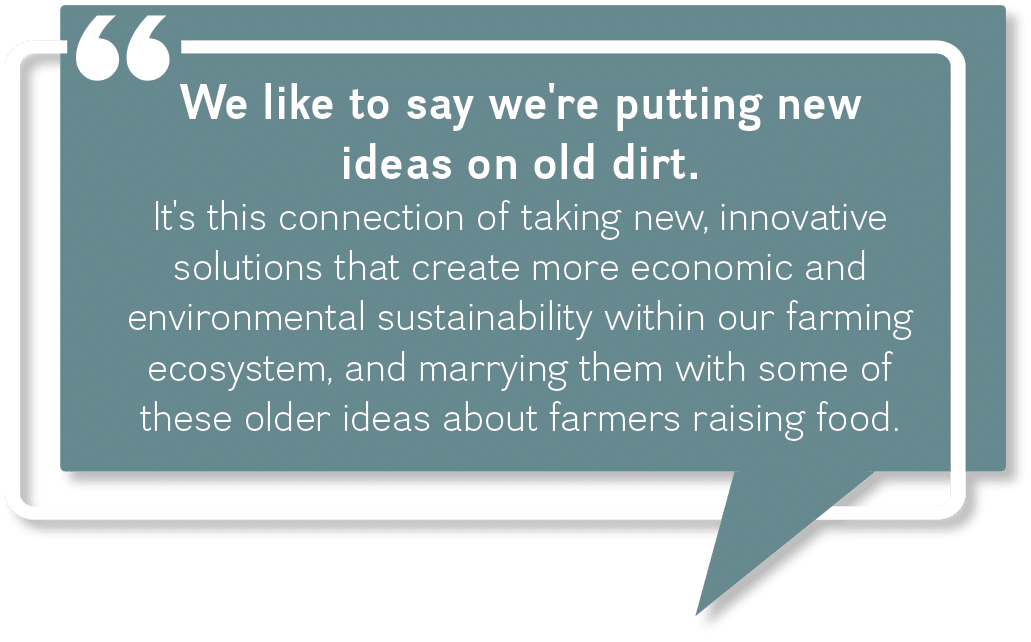
“We like to say we’re putting new ideas on old dirt,” Matthew said. “It’s this connection of taking new, innovative solutions that create more economic and environmental sustainability within our farming ecosystem, and marrying them with some of these older ideas about farmers raising food.”
The Bruggers say it’s a model that allows them to connect with consumers in a unique way.
“Farm to table allows us to listen to the consumers,” Joe said. “We always say, if we don’t tell our story, somebody else is going to. I think it’s a revolving door, and that relationship goes both ways. We’re educating our consumers [and] they’re educating us.”
Jump To…
Related Posts
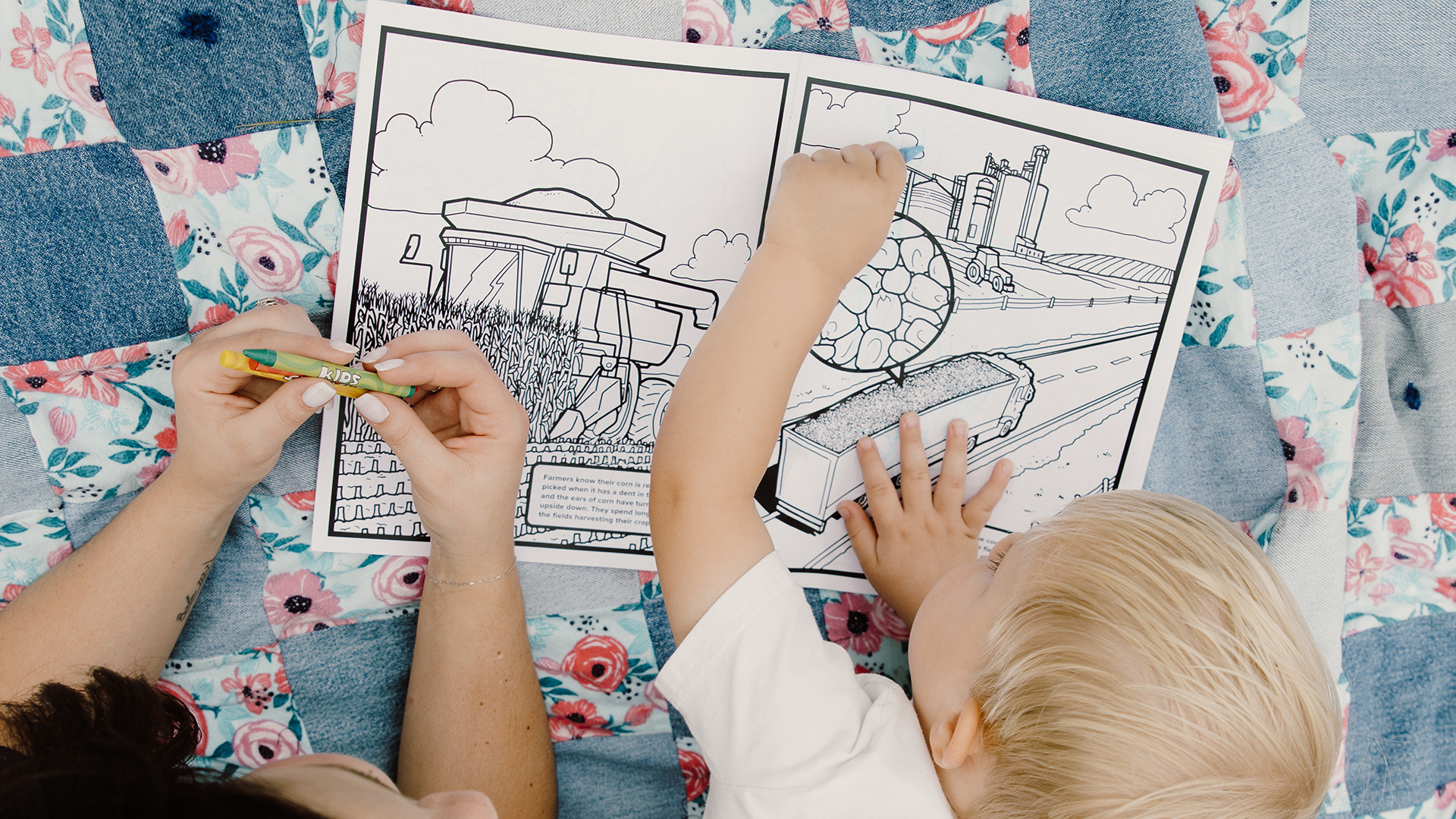
From early classroom exposure to national leadership opportunities, the Nebraska Corn Board invests in the future of agriculture by supporting a wide range of educational and leadership programs for young people This guide outlines [...]
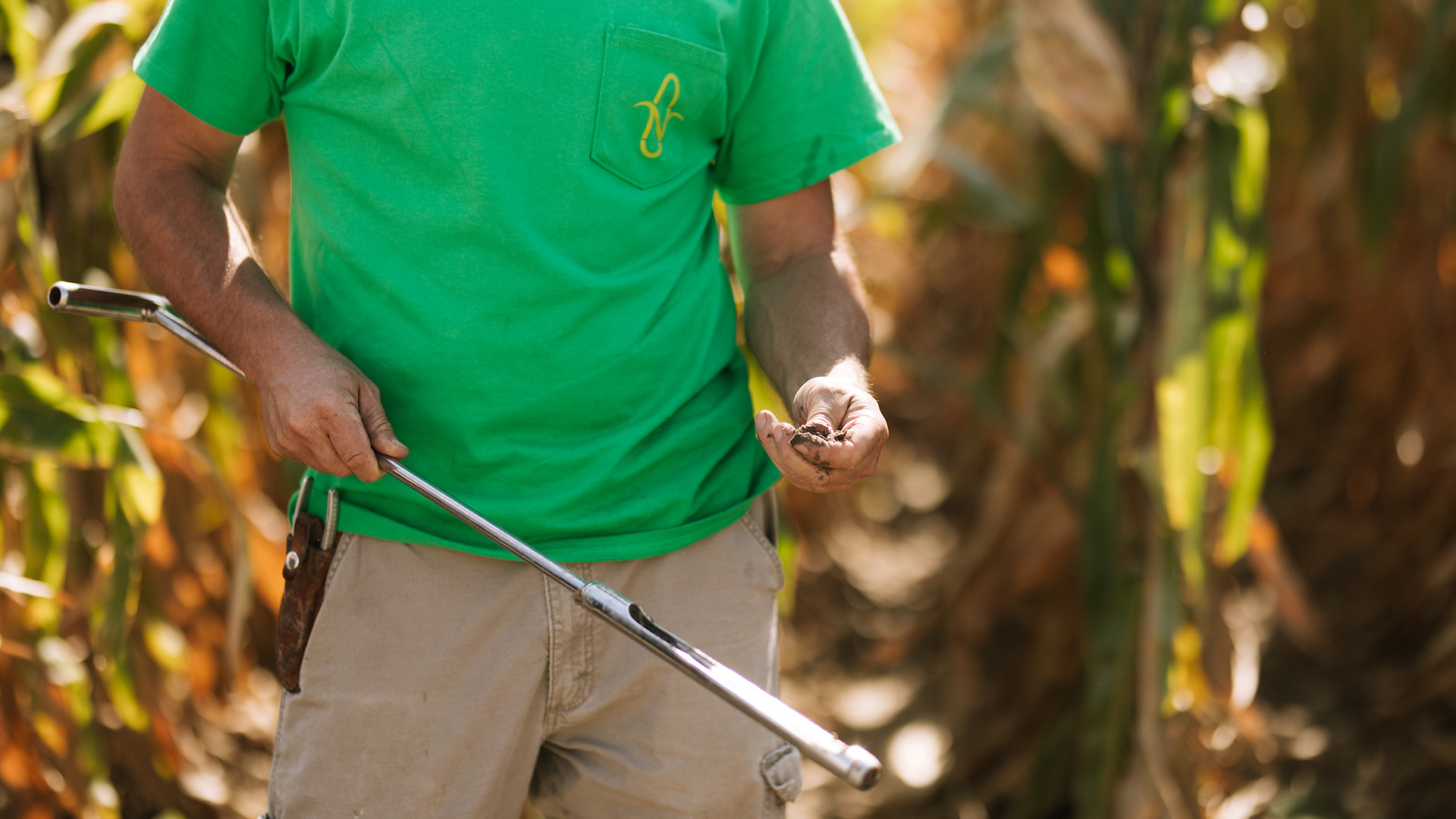
Clean water, healthy soil and conservation are central to Nebraska agriculture, and the state manages them through a unique network of Natural Resources Districts. Also called NRDs, these districts are independent, locally funded and locally [...]
Nebraska corn farmers have always relied on experience, intuition and a deep connection to the land to raise their crops. Now, some are using agricultural drones—not to replace that expertise, but to expand on [...]