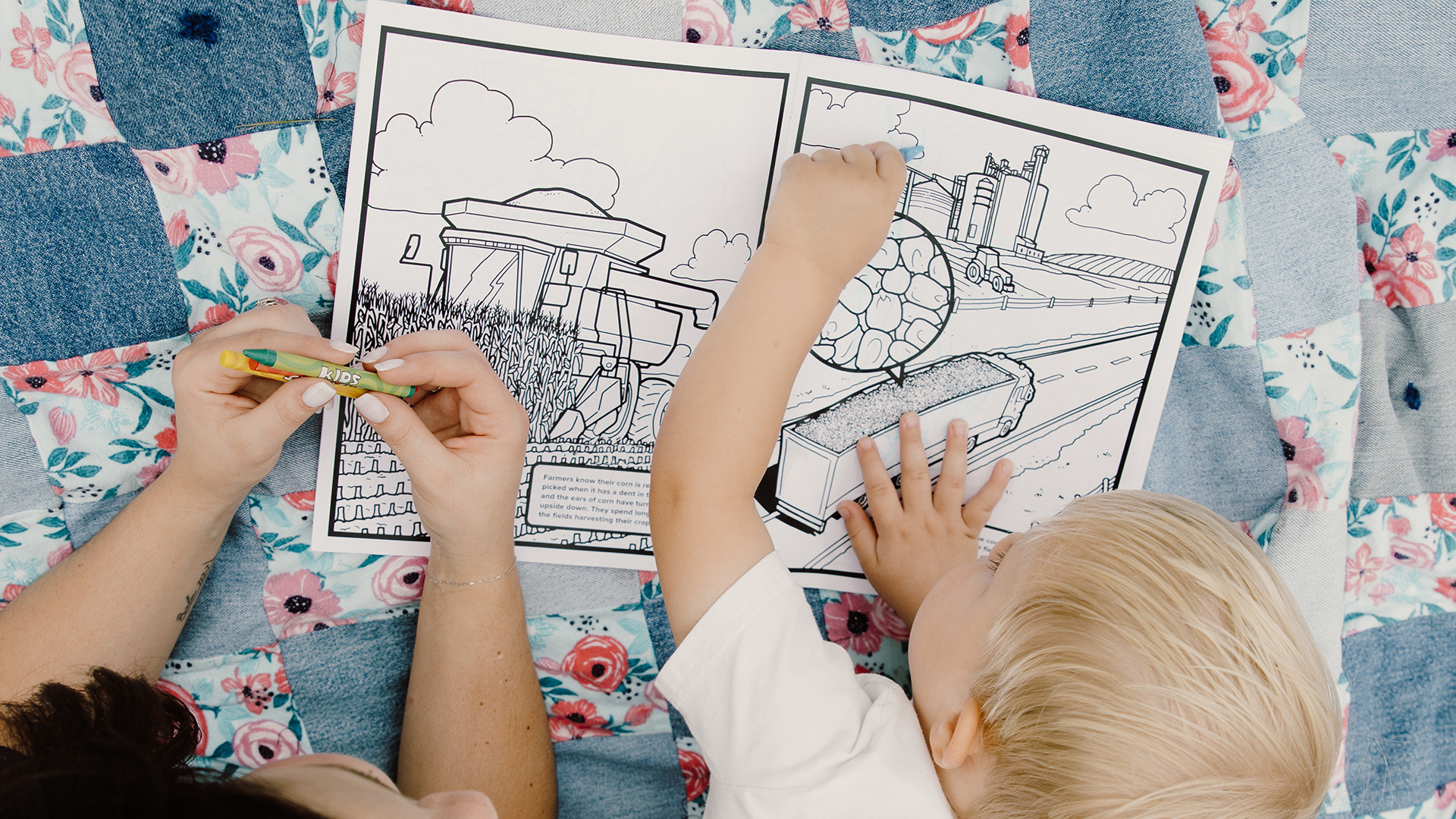
Many people are surprised to learn that 99% of farms in America are family-owned. That statistic flies in the face of those who believe that we’ve “lost” the traditional family farm to large “corporate farming.” Clearly, that is not the case.

Still, many family farms are incorporated, because it simply makes good business sense.
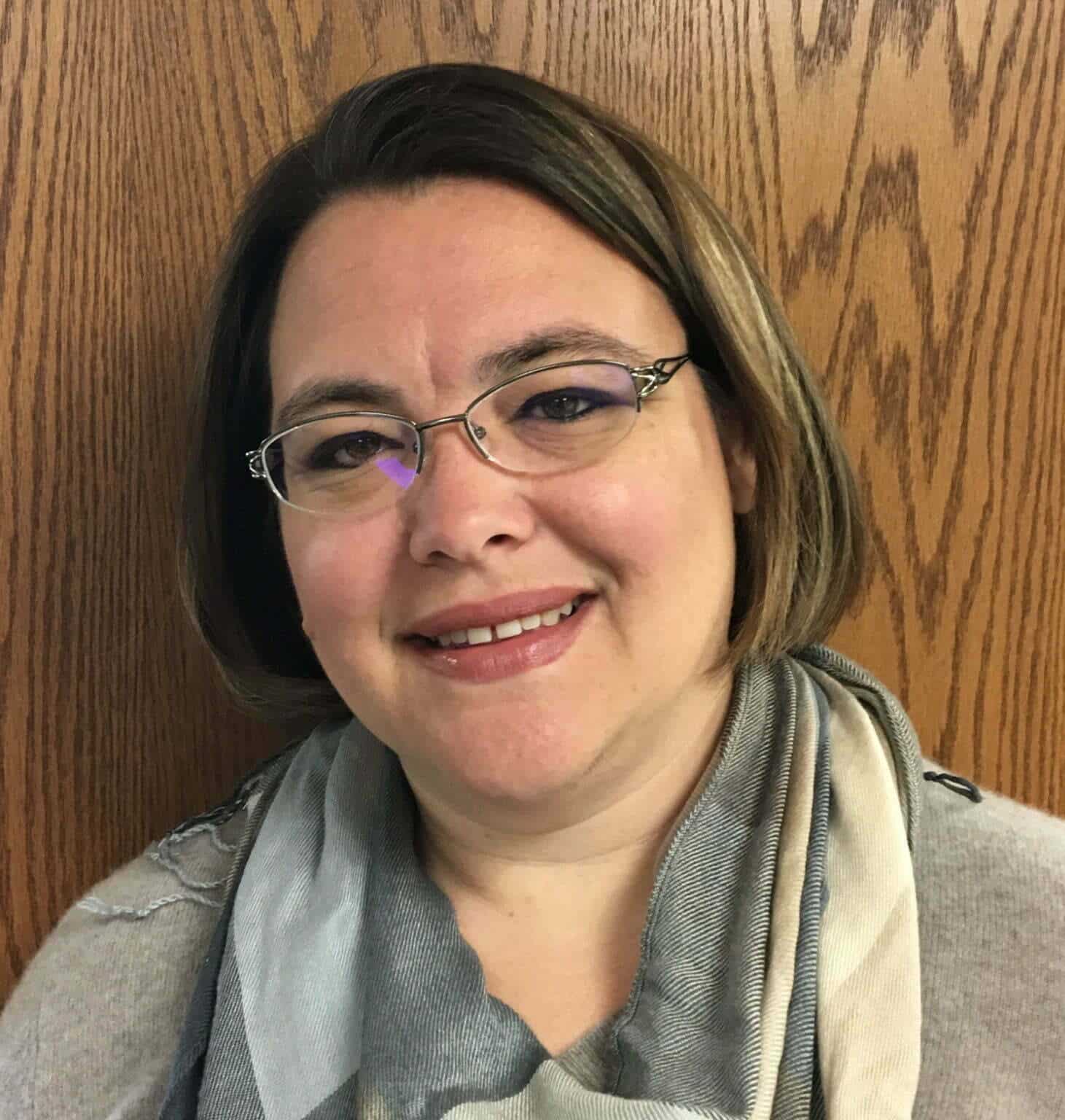
Tina Barrett

Tina Barrett, director and farm financial consultant with Nebraska Farm Business, Inc., says there’s a big difference between a family farm that is incorporated and what most people consider a “corporate farm.”

“I work with many ‘corporate’ farms that are run by a mom and a dad and a couple of kids,” said Barrett. “It’s simply a family farm that’s organized as a corporation for sound business reasons. That’s a lot different than a large company that owns animals from the time they’re born all the way through processing and pays farmers as employees.”

Limiting liability is the main reason farmers will incorporate their operations—and those with multiple enterprises may create separate entities for each. “What you’re trying to do is protect yourself from a financial disaster,” Barrett added. “If something happens within one enterprise, the rest of your farm operation would be better protected from that liability.”

Tax planning is another impetus for incorporating a farm. “The new Tax Cuts and Jobs Act is going to have a huge impact on the choices farmers make in selecting the right entity for their business structure,” Barrett added. “We don’t have all the details on this new tax bill yet, but farmers should be aware that this new law should cause them to review the type of entity they have set up for their farming operation.”

Having corporations as customers.

Many Nebraska farmers contract directly with companies/ corporations in order to ensure a market for what they grow. These corporations might be an ethanol plant, a food processor, or a large agribusiness. That does not mean the farmers are contract employees of that corporation. It simply means the farmer has a guaranteed buyer, as long as the farmer meets the quality expectations of their customer—and that’s no different than any other seller-buyer scenario.

Scott Wagner is one of several Nebraska crop farmers setting up a new enterprise to raise chickens for the Costco poultry processing facility in Fremont. “I’ve been raising seed corn for many, many years—and I have a contract with the company to supply them with what they need. It’s my responsibility to produce corn to their specifications,” he said. “It’s going to be the same with my poultry operation. I have a contract with Costco, which is a corporation. But I’m my own boss, making my own investment in the poultry barns and managing the family-run operation. I need to comply with the expectations and standards of my customer, regardless of whether that’s a consumer or a large corporation.”

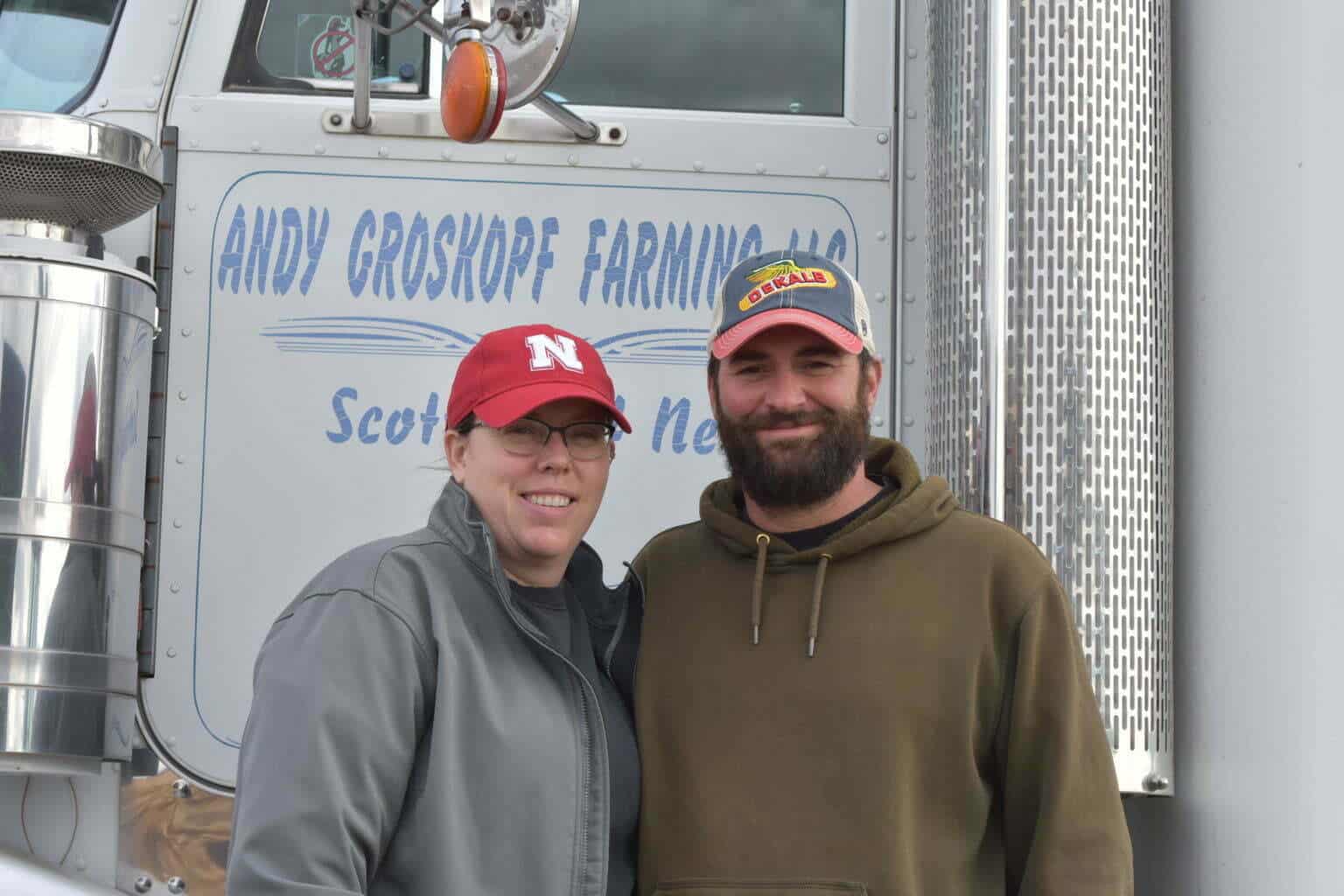
Andy Groskopf is a fourth generation farmer from Scottsbluff, Nebraska. His great grandfather emigrated from Russia to work the sugar beet fields in the Nebraska Panhandle, raising enough money to eventually buy farm ground.

Groskopf raises corn and Great Northern
beans. He was recently appointed to serve as a farmer-director on the Nebraska Corn Board.

Two people standing in front of a truck

Like many younger members of multi-generational farms, Groskopf owns his own limited liability corporation (LLC), but operates side-by-side with family members—in his case his dad and uncle.

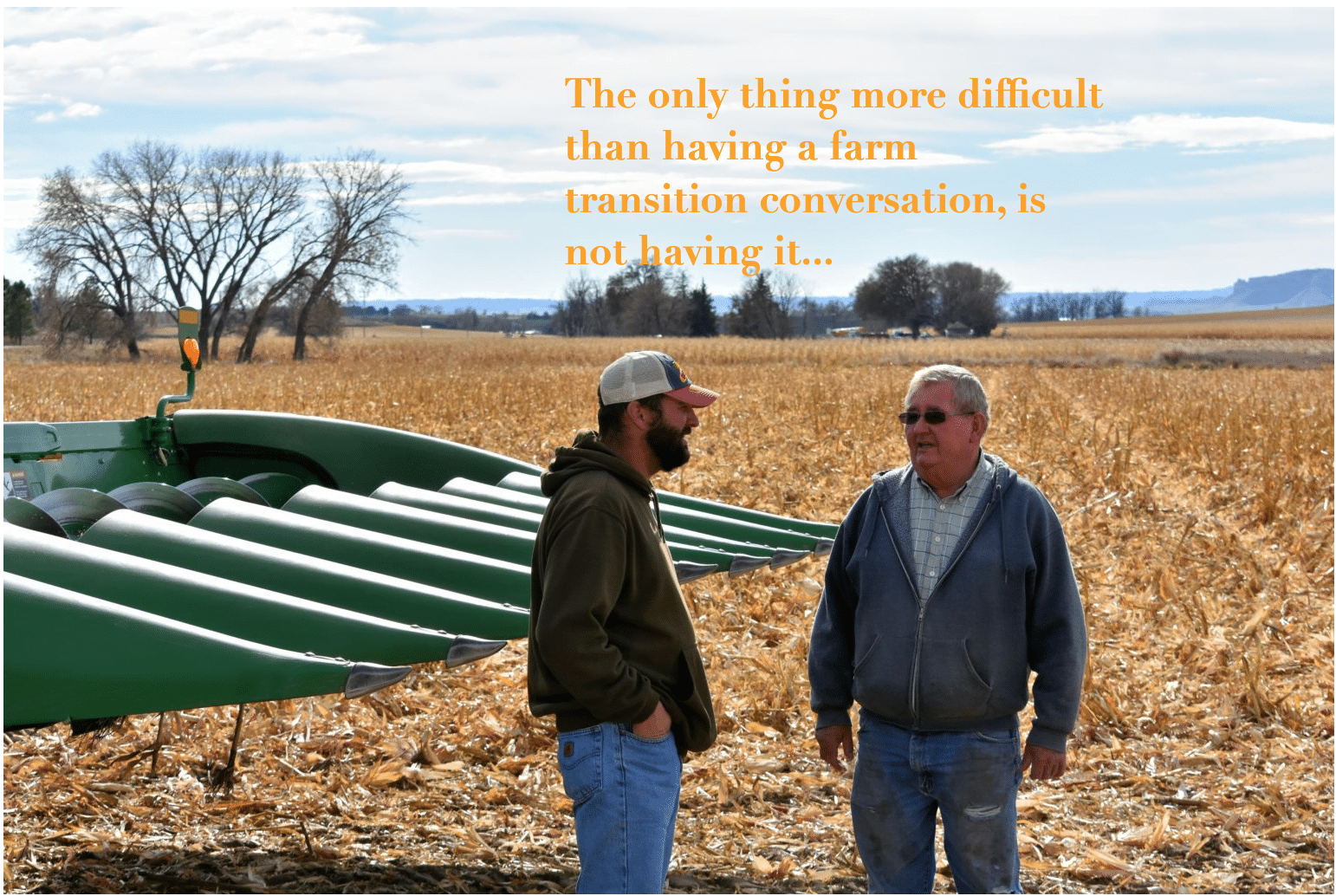
This transition of the family farm is top of mind for Groskopf as his uncle reaches retirement age. "At this point we don't have a written plan as to how this farm is going to be handed down—and that concerns me," Groskopf said. "If something happens to any one of us, there's really no directive of what's supposed to happen to this operation we've worked to build."

In order to protect the future of his four-generation farm, Groskopf believes a family farming operation can't rely solely on handshakes and verbal agreements.

"You've got to make a decision to be a business-first family or a family-first family," he said. "I prefer managing this from a business-first perspective with everything in black and white, so everybody knows where they stand and what to expect."

""

Jump To…

Related Posts

  • A Family’s Calling: Blending Faith, Stewardship, And Legacy

    In south-central Nebraska, where Hamilton County’s gravel roads weave between seas of corn, Nate Goertzen carries on a farming legacy with his father and sons on the same land his family has tended to [...]

  • Nebraska Corn Board Youth Ag Development & Education Programs 

    From early classroom exposure to national leadership opportunities, the Nebraska Corn Board invests in the future of agriculture by supporting a wide range of educational and leadership programs for young people This guide outlines [...]

  • How generosity and teamwork nourish a small farming community.

    For fifth-generation Holdrege farmer Logan Reed, agriculture isn’t just about growing crops, it’s about growing community connections. Connections that were first forged nearly a century and a half ago. “My great-great-grandfather came over from Sweden [...]