
When you stop at the gas station to top off your tank, how much thought do you put in to choosing the fuel that’s right for your car? For your wallet? For the environment? For the air quality in your community?
The truth is, transportation is the largest source of greenhouse gas emissions in the United States – accounting for nearly 30%.
Given the economic and environmental implications of petroleum reliance, clean energy is a priority for scientists, lawmakers and citizens.
Dr. Hunter Flodman is an assistant professor of practice in the University of Nebraska-Lincoln’s Department of Chemical and Biomolecular Engineering. Clean energy is on his mind more often than not.
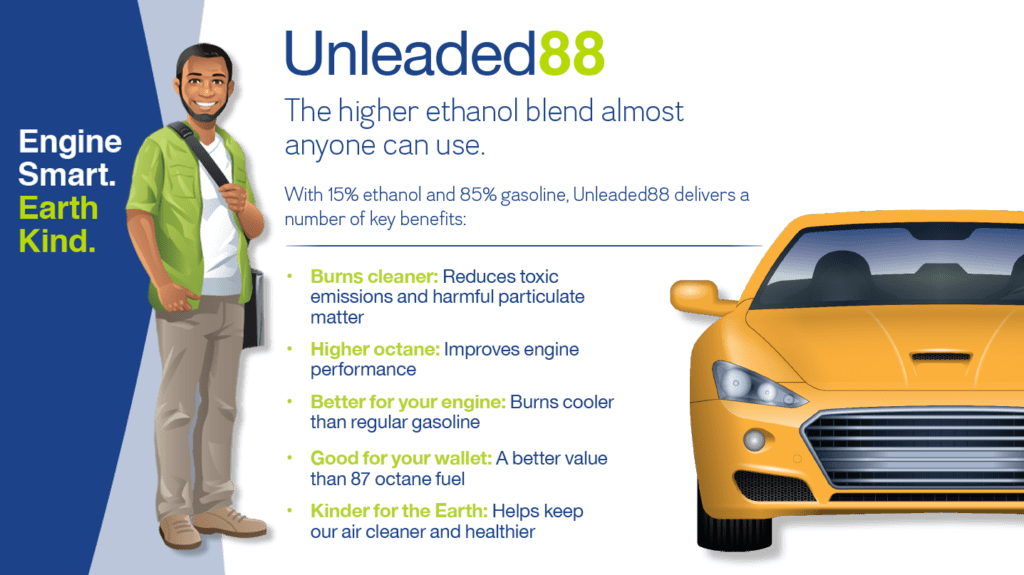
“Cleaner-burning fuel improves air quality, and it reduces the amount of toxic and particulate matter that comes out of the tailpipe of your vehicle,” he said.
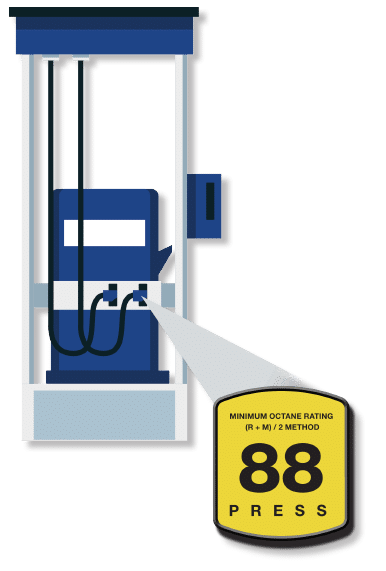
For many families, ethanol is the easiest cleaner-burning, lower-cost fuel solution.
According to Dr. Flodman, the oxygen ethanol contains results in “complete combustion.” This translates to a reduction in toxic emissions that are harmful not only to public health, but also to the ozone layer.
Ethanol’s Environmental and Economic Benefits Go Beyond the Pump
Ethanol is made from the starch or fiber of field corn. Meanwhile, about a third of every bushel of corn used for ethanol production returns to the livestock industry in the form of a feed ingredient called distillers grains.
Today, products made from ethanol production can be ingredients in over 4,000 items people use each and every day, from lip balms to fireworks! In fact, nearly everything made from petroleum can also be made from corn.
Jump To…
Related Posts

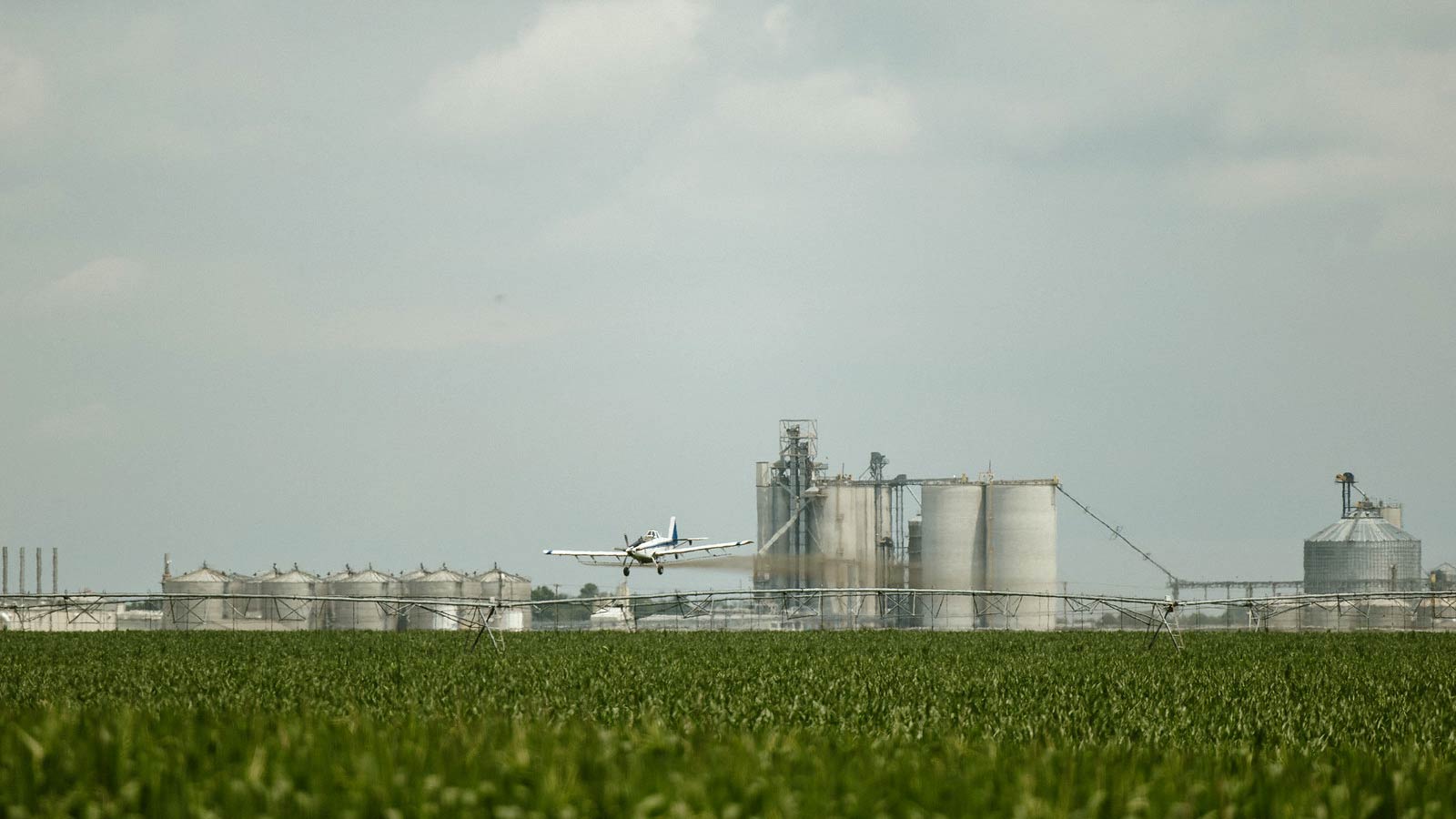
Nebraska’s corn fields do more than produce food and feed ingredients. They also help power vehicles across the country. As one of the nation’s top corn-producing states, Nebraska plays a leading role in corn-based [...]
As renewable energy grows, ethanol remains a critical part in reducing greenhouse gas emissions from vehicles on our streets and highways. Much of the ethanol fuel used to reduce emissions is made from corn, [...]
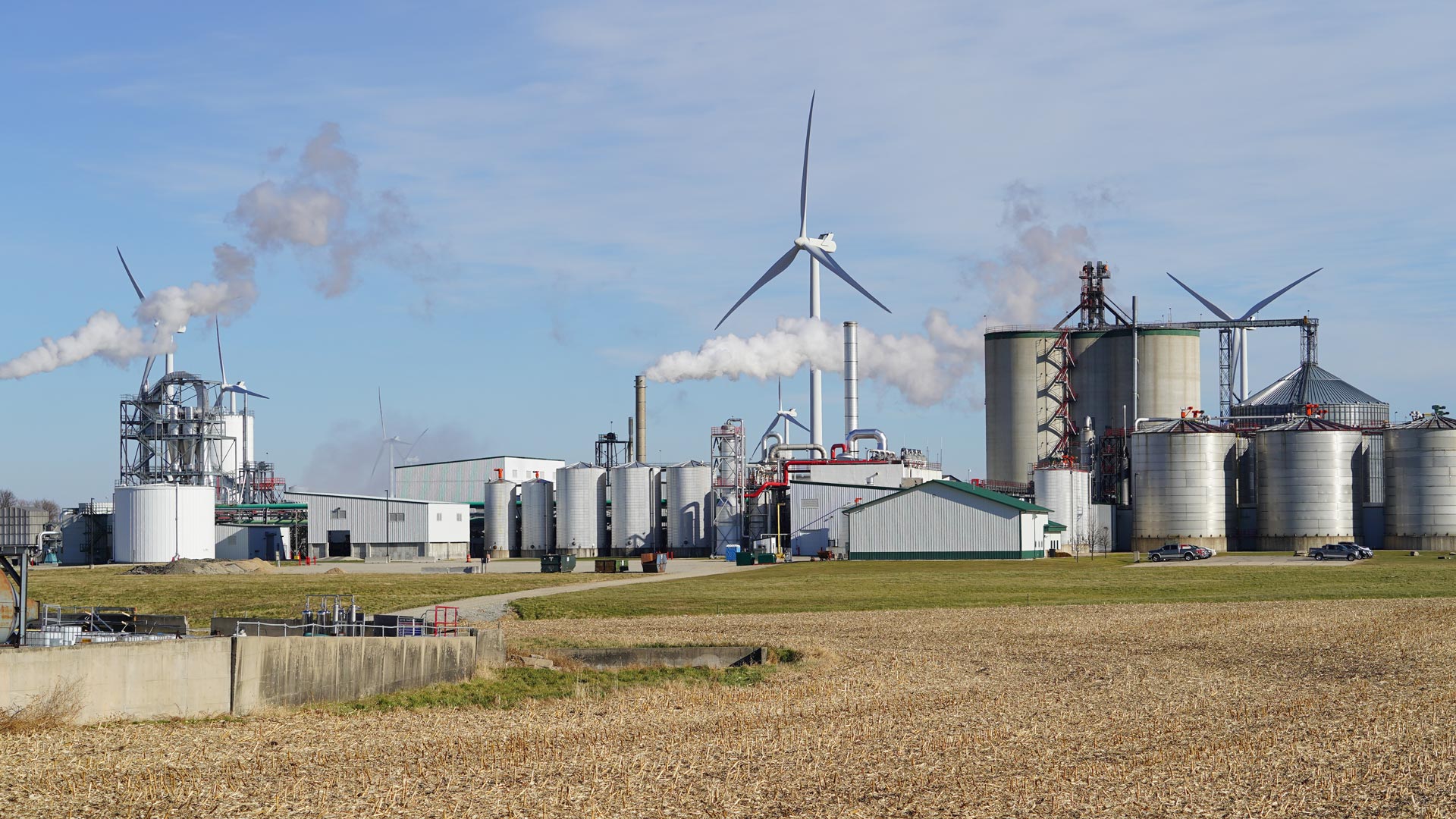
With 2.4 billion gallons of ethanol produced in Nebraska each year, it's easy to see why the renewable biofuel commands so much attention. However, it's not the only important product created by the state's [...]