Alyvia Shultz-Ramer – U.S. Meat Export Federation – Denver
Intern Updates
Journal 1
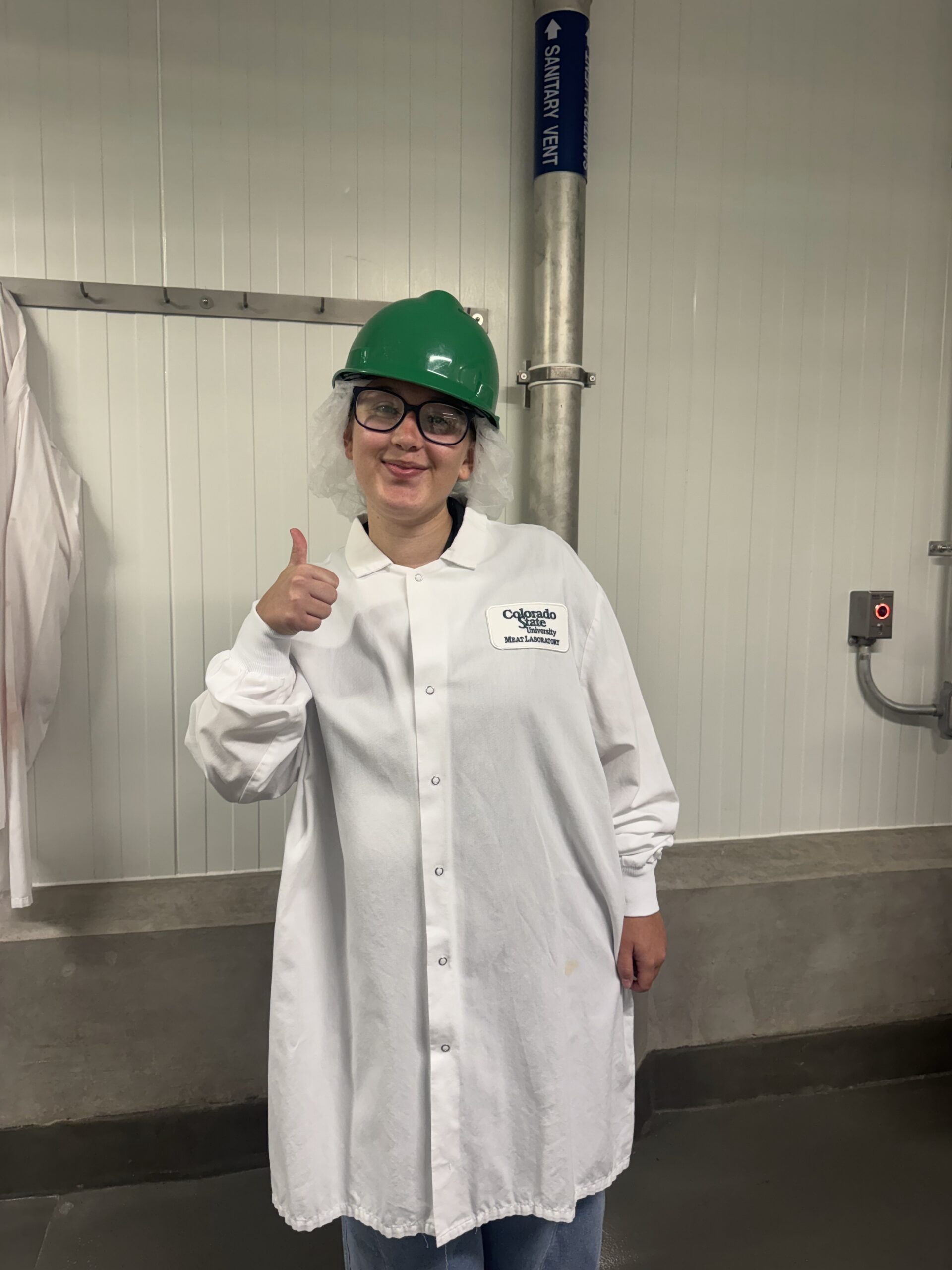
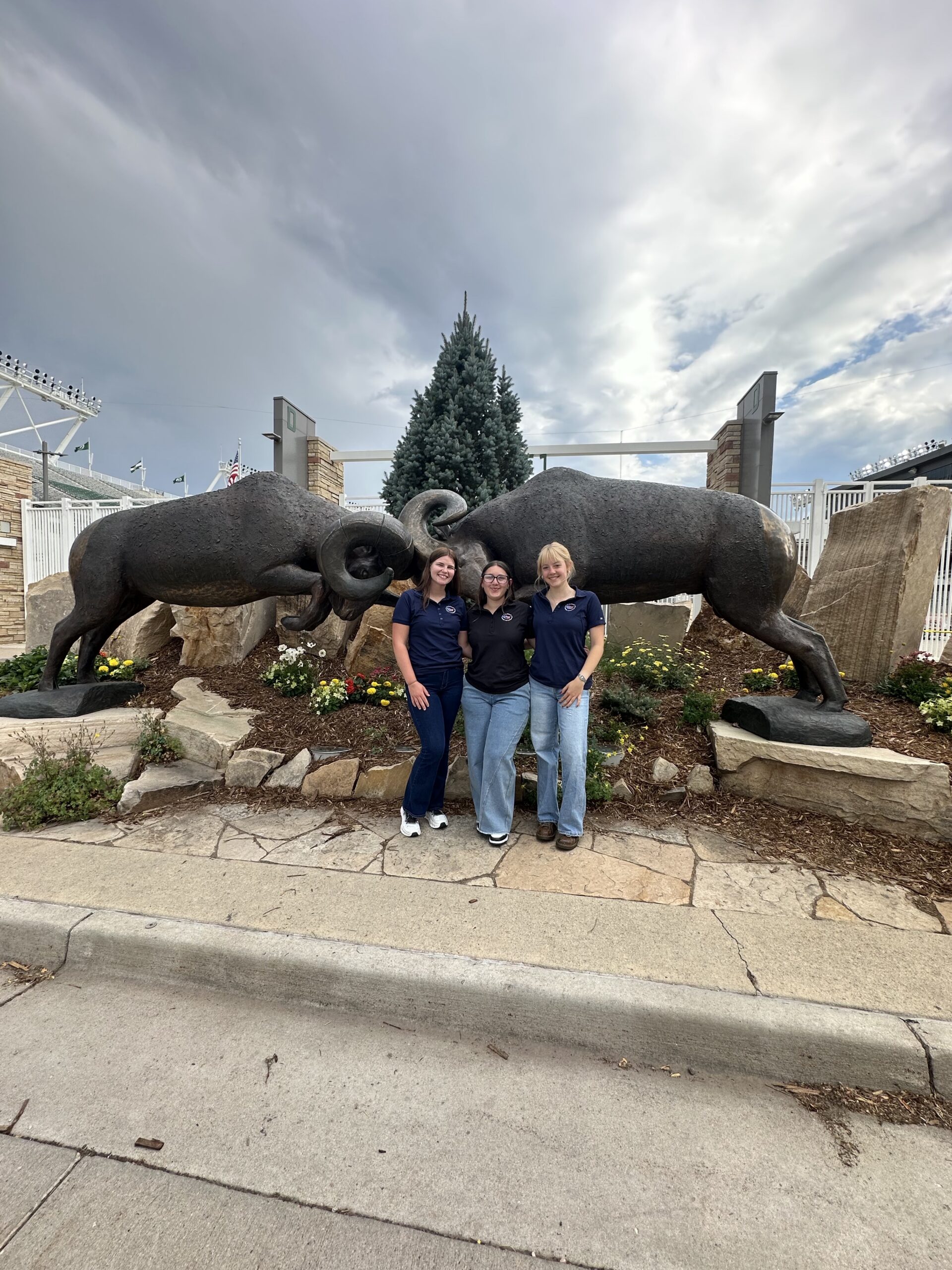
Earlier this month, I had the incredible opportunity to participate in the annual staff training for the U.S. Meat Export Federation hosted at Colorado State University. As an intern with USMEF, every day brings new experiences and learning opportunities, but this training was especially memorable because it gave me a behind-the-scenes look at an important part of the meat industry, processed meats.
Throughout the day, our group learned about the history and production of processed meat products. We discussed the different types of processed meats, the ingredients that go into them, and the techniques used to ensure quality, safety, and consistency. Hearing from industry professionals and experts who are passionate about meat science helped me gain a greater appreciation for the work that goes into producing products that consumers enjoy every day.
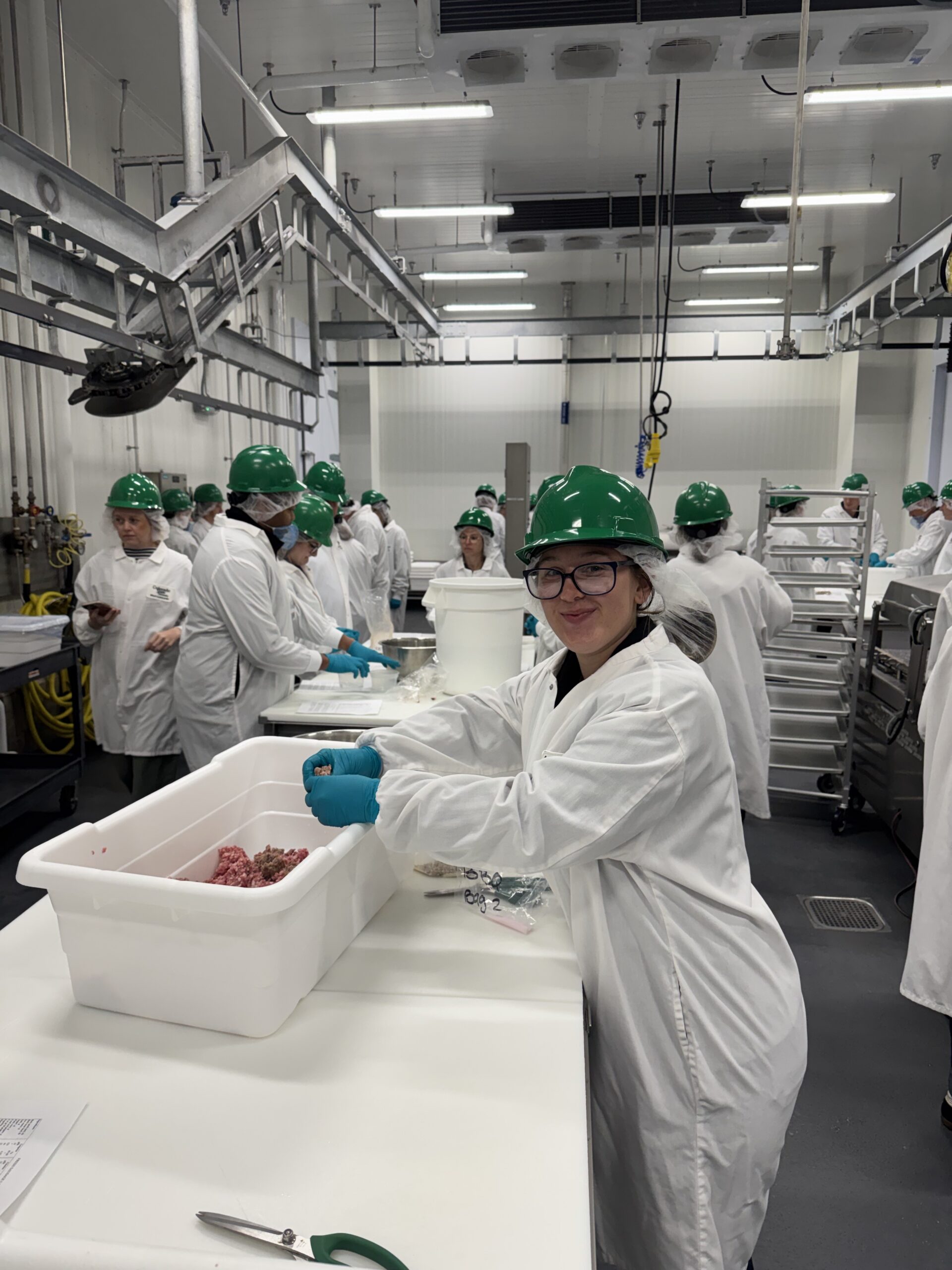
One of the most exciting parts of the training was getting hands-on experience in the meat processing lab. Rather than simply listening to presentations, we had the opportunity to apply what we had learned by making our own sausages. From selecting ingredients and seasonings to grinding, mixing, and stuffing the sausage, every step of the process was both educational and fun. It was fascinating to see how much science and precision go into creating a product that often seems so simple.
As someone studying agricultural communications, I value experiences that allow me to better understand the industries and people I will one day represent through communication and storytelling. Participating in this training broadened my knowledge of the meat industry and gave me a deeper appreciation for the innovation and expertise that exist within it. It also reminded me how important it is for communicators to understand the processes behind the products they promote and advocate for.
Beyond the educational aspect, the training was also a wonderful opportunity to connect with staff members. Spending the day learning together, asking questions, and participating in hands-on activities created an environment that encouraged collaboration and curiosity. The relationships and conversations I had throughout the experience made the day even more meaningful. We also had the opportunity to learn about how Colorado State University partners with Beef Sticks for Backpacks to provide easy protein for children in Colorado facing food scarcity.
This experience is just one example of why I am so grateful for my internship with USMEF. The organization has provided me with opportunities to step outside of the office and gain real-world experiences that are helping me grow both personally and professionally. Whether it’s learning about international markets, meeting industry leaders, or making sausages in a meat science lab, every experience has expanded my understanding of agriculture and strengthened my passion for industry.
I am incredibly thankful for the opportunity to learn from such knowledgeable professionals and to be part of an organization that values education and hands-on experiences. This annual staff training was not only informative but also a reminder of how diverse and exciting the agricultural industry truly is, and I cannot wait to see what other opportunities this internship has in store.
Journal 2
The U.S. Meat Export Federation (USMEF) Global Innovation Symposium provided a valuable opportunity to connect the science of meat production with the global marketplace. As an agriculture communications student interning with both the USMEF and the Nebraska Corn Board, the symposium strengthened my understanding of how every segment of the agricultural industry, from corn production to livestock feeding, meat processing, and international marketing, works together to deliver high-quality U.S. products to consumers around the world.
The three-day symposium combined classroom instruction, laboratory experiences, and industry tours to showcase the innovation behind the U.S. beef and pork industries. The event opened with an overview of the beef and pork supply chains led by Dr. Keith Belk, illustrating the many stakeholders involved in moving livestock from the farm to consumers across the globe. Throughout my internship with USMEF, I have learned that exporting U.S. meat requires collaboration among producers, processors, researchers, and trade organizations. This session reinforced how each step of the supply chain plays an important role in maintaining the quality and reputation of U.S. beef and pork in international markets. Food safety and meat quality were major themes throughout the symposium. Sessions covering meat safety microbiology, sanitation, and Hazard Analysis and Critical Control Points (HACCP) highlighted the industry’s commitment to producing safe, wholesome products. Additional presentations explored protein extraction, grinding techniques, color, pH, packaging methods, and product quality, while hands-on laboratory activities allowed participants to manufacture beef and pork patties, prepare barbecue pulled pork, bread pork chops, and learn charcuterie production. Experiencing these processing techniques firsthand provided a new appreciation for the science that supports product consistency, shelf life, and consumer confidence.
The symposium also focused on understanding today’s consumers and international markets. Jessica Sprietzer shared how USMEF analyzes global markets to identify export opportunities, while Dr. Jessica Lancaster discussed the changing expectations of consumers, including growing demand for convenience, quality, and value-added products. Another session highlighted export opportunities for variety meats, demonstrating how international trade creates value for products that often have limited domestic demand. These discussions directly connected to my internship with USMEF, where I have seen how market research, consumer insights, and trade relationships help expand demand for U.S. beef and pork around the world.
One of the most meaningful takeaways from the symposium was recognizing the connection between livestock production and grain agriculture. Through my internship with the Nebraska Corn Board, I have gained a greater appreciation for the role corn growers play in supporting the livestock industry. Corn serves as a primary feed ingredient for cattle and hogs, making it an essential link in the production of high-quality beef and pork. Strong export demand for meat ultimately benefits corn producers by increasing demand for livestock feed, demonstrating the interconnected nature of Nebraska agriculture. Seeing this relationship discussed throughout the symposium reinforced how organizations like USMEF and the Nebraska Corn Board work toward a common goal of strengthening agricultural markets and creating opportunities for producers.
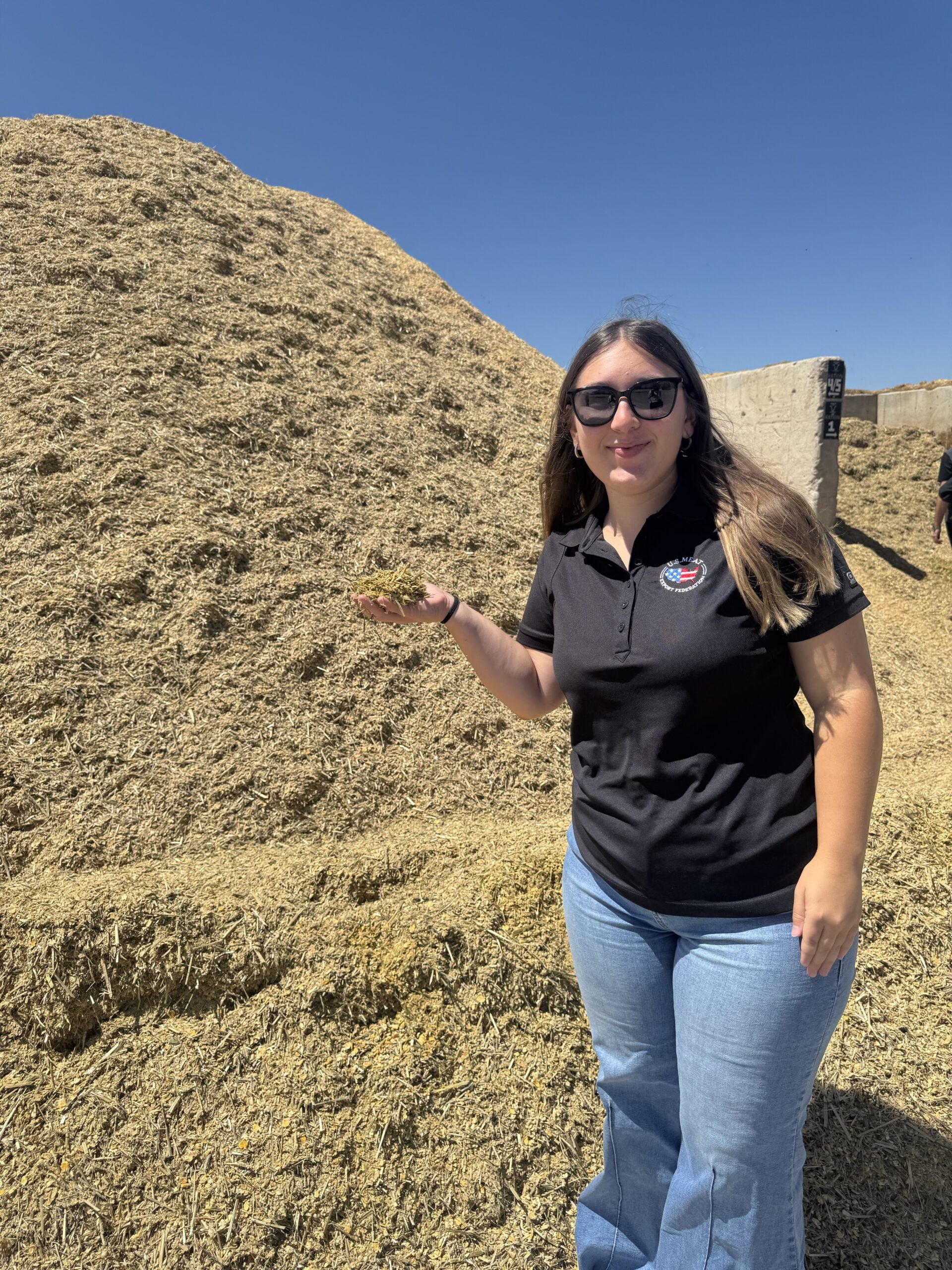
The symposium concluded with tours of Five Rivers Cattle Feeding in Kersey, Colorado, and Buc-ee’s in Berthoud, where participants observed both large-scale cattle feeding operations and value-added meat processing in a retail setting. These experiences brought together everything discussed throughout the symposium by demonstrating how innovation, efficiency, and consumer preferences influence the entire food supply chain.
Attending the USMEF Global Innovation Symposium broadened my perspective on the global meat industry while strengthening the connections between my internships with USMEF and the Nebraska Corn Board. The experience reinforced that agriculture is not made up of separate industries but of interconnected sectors that rely on one another to provide safe, high-quality food to consumers worldwide. Understanding these relationships will be invaluable as I continue pursuing a career in agricultural communications and advocating for the producers and organizations that make this industry successful.

Journal 3
From Nebraska Corn to Global Markets: My Internship with the U.S. Meat Export Federation
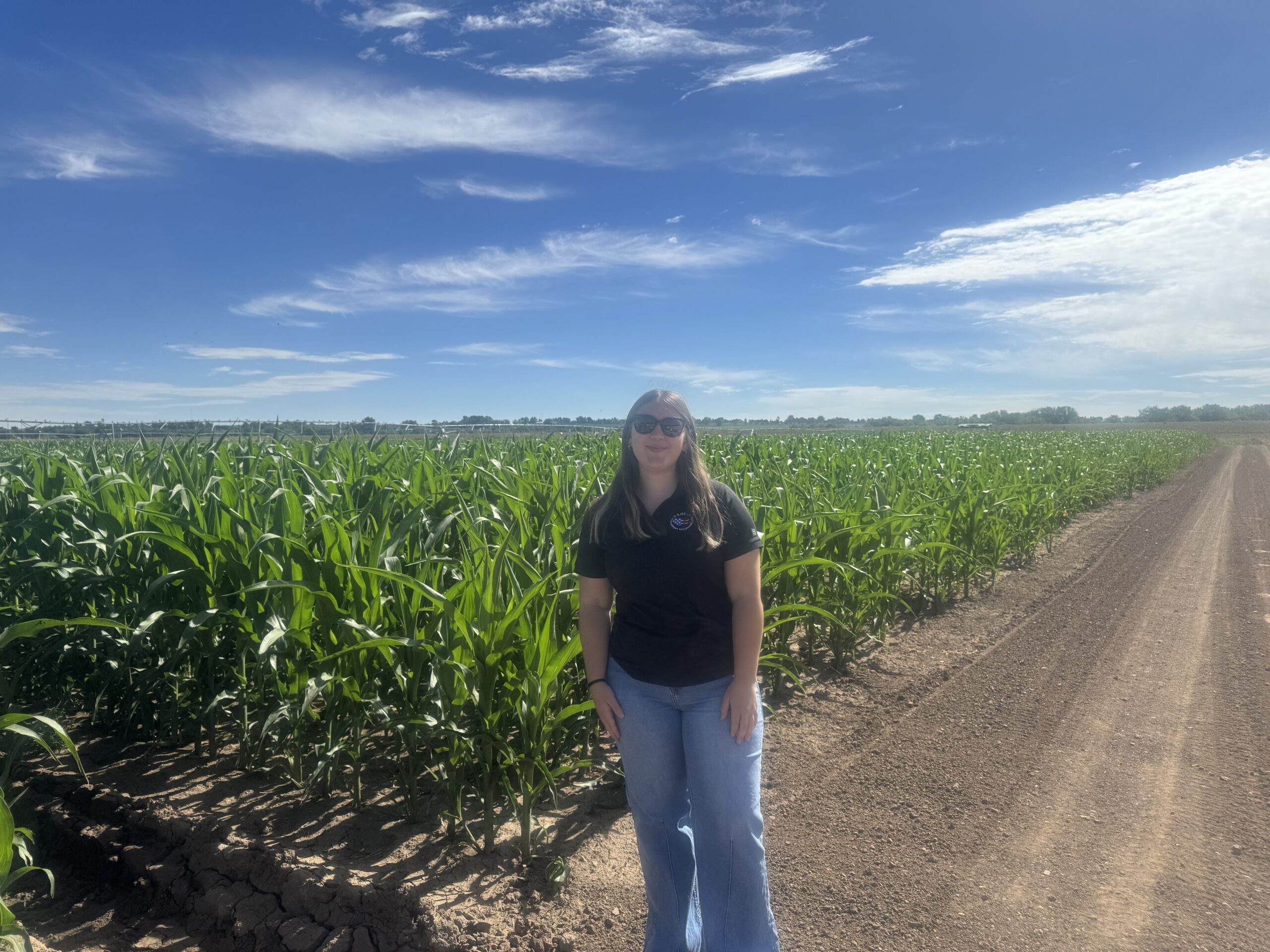
This summer, I had the opportunity to intern with the U.S. Meat Export Federation (USMEF) in Denver, Colorado, through the Nebraska Corn Board. As an agricultural communications student, this experience allowed me to see firsthand how Nebraska corn producers contribute to the success of the U.S. livestock industry and international trade. Throughout the internship, I gained a greater appreciation for the partnership between grain and livestock production, and the role exports play in creating value for not just Nebraska agriculture but U.S. agriculture as a whole. USMEF’s mission is simple, to put U.S. meat on the world’s table. The organization promotes U.S. beef, pork, and lamb in international markets while representing producers, processors, packers, feed grain organizations, and other agricultural partners. One of the biggest takeaways from my internship was understanding how important corn producers are to this mission. Nebraska corn helps feed livestock that is ultimately exported around the world, creating demand for both U.S. meat and the grain that supports its production. Strong export markets not only benefit livestock producers but also add value throughout the entire agricultural supply chain.
Early in the summer, I participated in species-specific training covering the beef, pork, and lamb industries, giving me a strong foundation in livestock production and international marketing. I also attended Colorado State University’s AgNext Conference, where researchers shared innovations focused on sustainability, methane reduction, and drought resilience. These experiences reinforced the importance of continuous improvement across agriculture and highlighted how producers, researchers, and industry organizations work together to meet consumer expectations while maintaining efficient production systems. Another memorable experience was attending USMEF’s International Pork Training in Ames, Iowa, hosted in partnership with the National Pork Board. Learning alongside colleagues from around the world gave me a global perspective on pork production, consumer preferences, and export opportunities. It was exciting to see the enthusiasm international staff have for U.S. agricultural products and the work they do to expand markets for American producers.
Throughout the internship, I also visited several agricultural organizations and businesses, including Superior Farms, the National Cattlemen’s Beef Association, Colorado Farm Bureau, Colorado Corn Producers Council, CattleFax, National Western Stock Show, and the American Lamb Board. Each visit demonstrated the collaboration required to keep U.S. agriculture competitive and reinforced how organizations like the Nebraska Corn Board play an important role in supporting producers and strengthening market opportunities.
I assisted the communications team by helping digitize historical photographs for USMEF’s upcoming 50th anniversary celebration, updated communication materials to match new branding standards, and assisted with planning the Global Innovation Symposium. Alongside the other interns, I helped prepare materials, assemble welcome gifts, and coordinate logistics for more than 30 international staff members visiting Denver. Watching the event come together successfully showed me the importance of organization, communication, and teamwork behind every successful program. Beyond the technical experience, this internship helped me grow personally and professionally. I strengthened my time management skills, expanded my professional network, and gained confidence communicating with agricultural leaders from across the United States and around the world. I also developed a greater appreciation for international agriculture and the importance of building relationships across cultures.
I am incredibly grateful to the Nebraska Corn Board for making this opportunity possible. This internship showed me that Nebraska corn has an impact far beyond our state’s borders. Every export market supported by organizations like USMEF helps create demand for the livestock that consume our grain, ultimately strengthening Nebraska’s agricultural economy. As I continue my education and pursue a career in agricultural communications, I will carry the knowledge, relationships, and experiences from this summer with me. Thank you to the Nebraska Corn Board for investing in students like me and for supporting opportunities that help develop the next generation of agricultural leaders.