
Here’s the basic idea:
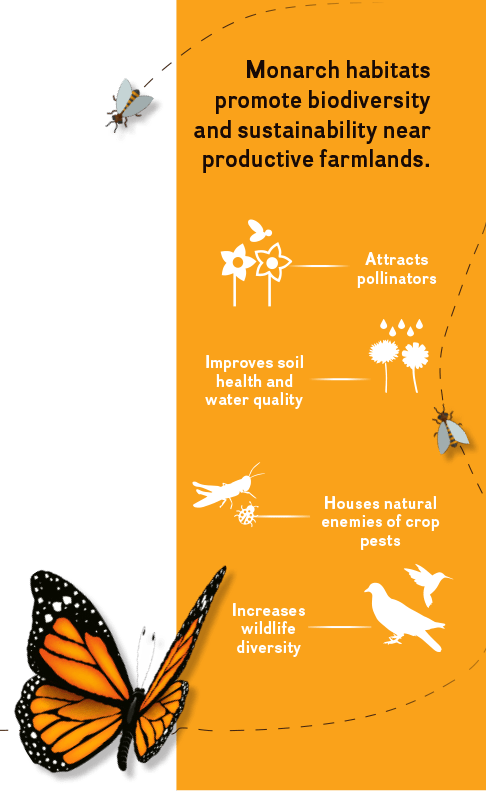
- Increasing milkweed and nectar plants across rural America can benefit monarch butterflies without inhibiting food and fiber production.
- As stewards of the environment across much of the U.S. heartland, farmers and ranchers are uniquely positioned to support sustainable monarch populations.
- Furthering conservation initiatives that benefit pollinator habitats is in the best interest of agriculture operations.
Here’s what’s being done:
- Landowners and farmers are working to protect, restore and establish native milkweed and other nectar plants
- The Monarch Joint Venture has partnered with the U.S. Fish and Wildlife Service to host a series of webinars about monarch biology, monitoring and conservation.
- Iowa State University hosts an app called HabiTally, which allows users to enter data about conservation efforts on their farms or in their yards – or even in locations like churches or parks where local groups may have created a new monarch habitat.
Where conservation efforts of Nebraska farmers meets the ethanol industry
In February, Nebraska Corn partnered with the Renewable Fuels Association, Renewable Fuels Nebraska and Pheasants Forever, Inc. to announce a pilot project designed to protect and expand habitats for critical pollinators. The project will launch in collaboration with Field to Market: The Alliance for Sustainable Agriculture.
Ethanol plants participating in the pilot project will host workshops to educate local farmers about protecting and expanding pollinator habitats on their land.
For more information on this unique initiative, check out the Farmers for Monarchs website.
Related Posts
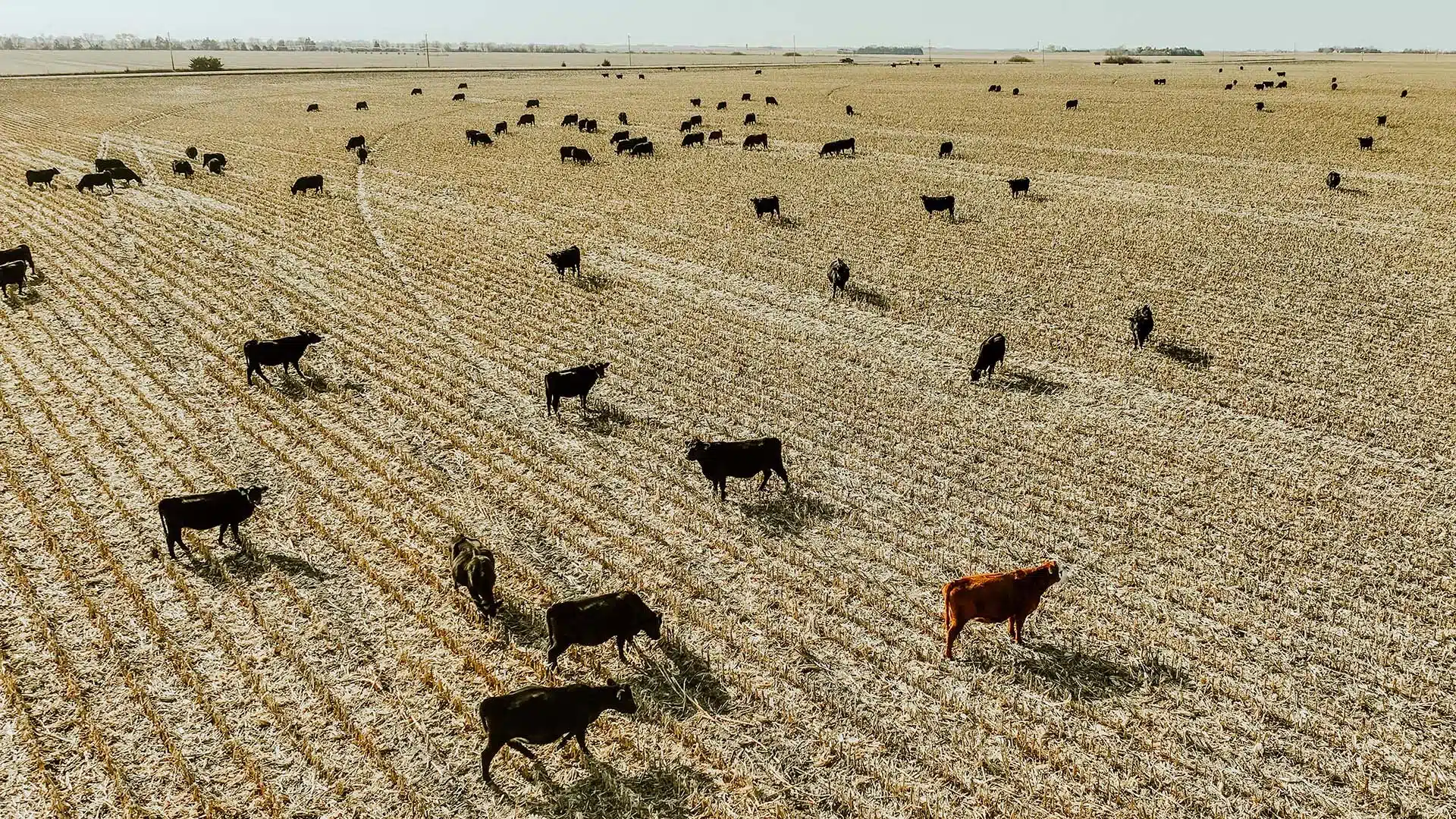
Cattle and Corn: How Nebraska's Nutrient Cycle Works Each year, freshly harvested Nebraska corn goes on a journey. A significant portion goes to nearby cattle farms, where it continues the nutrient cycle and fuels [...]
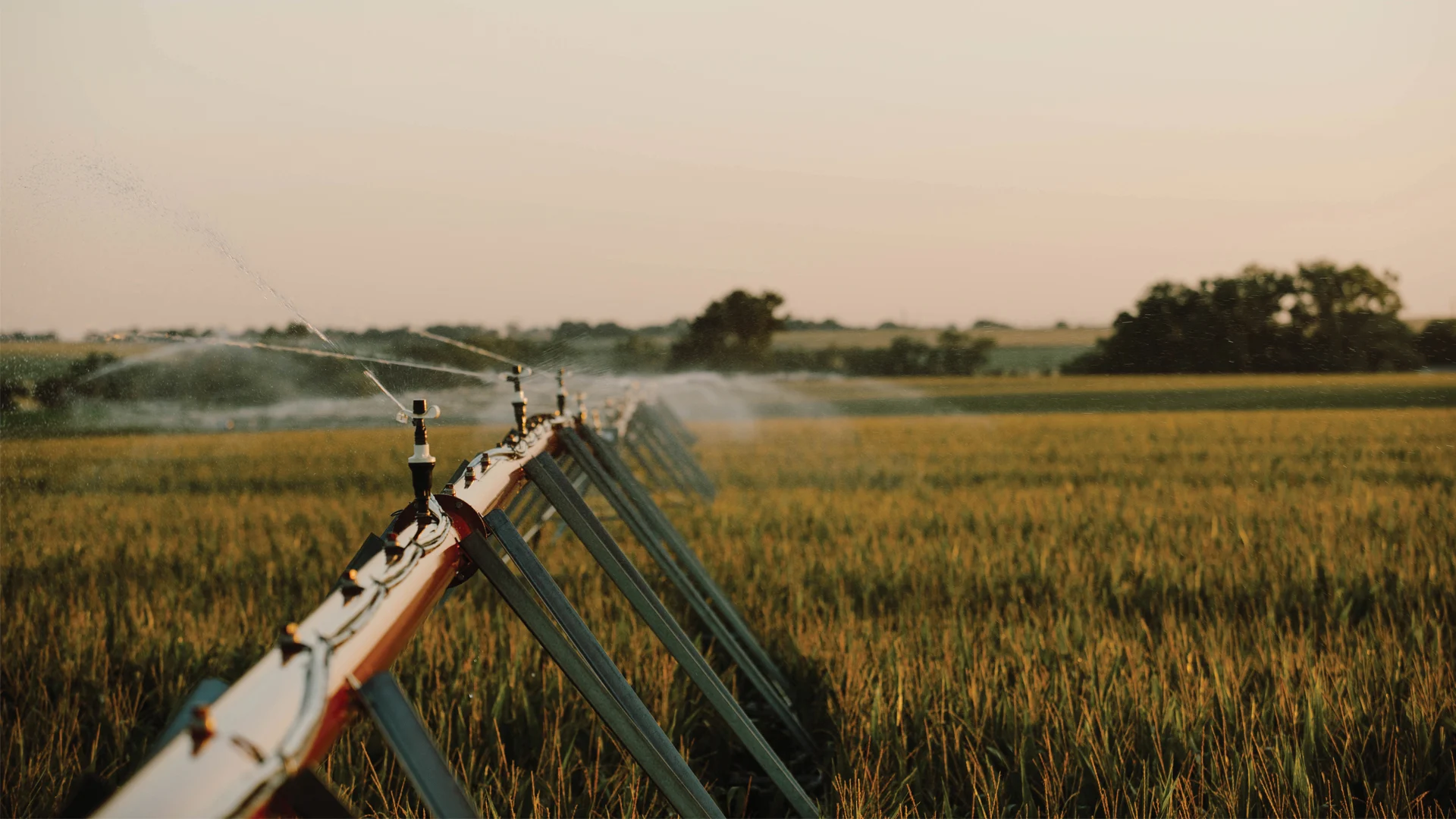
Every season, Nebraska farmers make hundreds of decisions that affect their yields, their profitability and the long-term health of their land. They decide when to irrigate, how much nitrogen to apply, whether to plant [...]

As weather patterns become more unpredictable and water resources face increasing pressure, researchers are working to develop corn hybrids that can produce strong yields while using water more efficiently. At the University of Nebraska–Lincoln, plant [...]