
CORN 101
From how it’s grown to ways it can be used, corn is an extremely versatile crop. With millions of acres of corn harvested each year in Nebraska, our state is a key provider of corn. The corn grown by local farmers is being used to create ethanol, food, and over 4,000 items used across the globe. And with family farms continually finding new ways to innovate and promote sustainability, we’re doing more with less. Explore how the many uses of corn support Nebraska’s economy and strengthen communities.

Growing Corn
Corn farming has a long, rich history in the state of Nebraska. Well over a billion bushels of corn are produced annually, with most grown on farms that have been in families for generations. This strong foundation brings valuable insights into ways to continually improve. Learn more about how we look to the past to plan best for the future.
Corn Uses
Corn is more than just a common household vegetable. It is also an important component in modern manufacturing and global agricultural trade. From ethanol to food products to livestock feed, there are countless uses of corn. Read on to explore how the many uses of corn support Nebraska’s economy and strengthen local communities.
Corn Innovation
From new corn uses to how our farmers provide this versatile crop, corn production in Nebraska is driven by innovation. This innovation helps promote higher yields of quality corn with a focus on being a good steward. See how Nebraska’s farmers are innovating with biotechnology and sustainable farming methods.
The Impact of Nebraska Corn
Corn is a crop that helps feed and fuel the world. Whether it’s creating more sustainable fuel through ethanol production or providing key nutrients to both humans and livestock, corn plays a key role in our lives. Nebraska farmers are proud to be a leading supplier of corn used in our state and beyond.
Related Posts
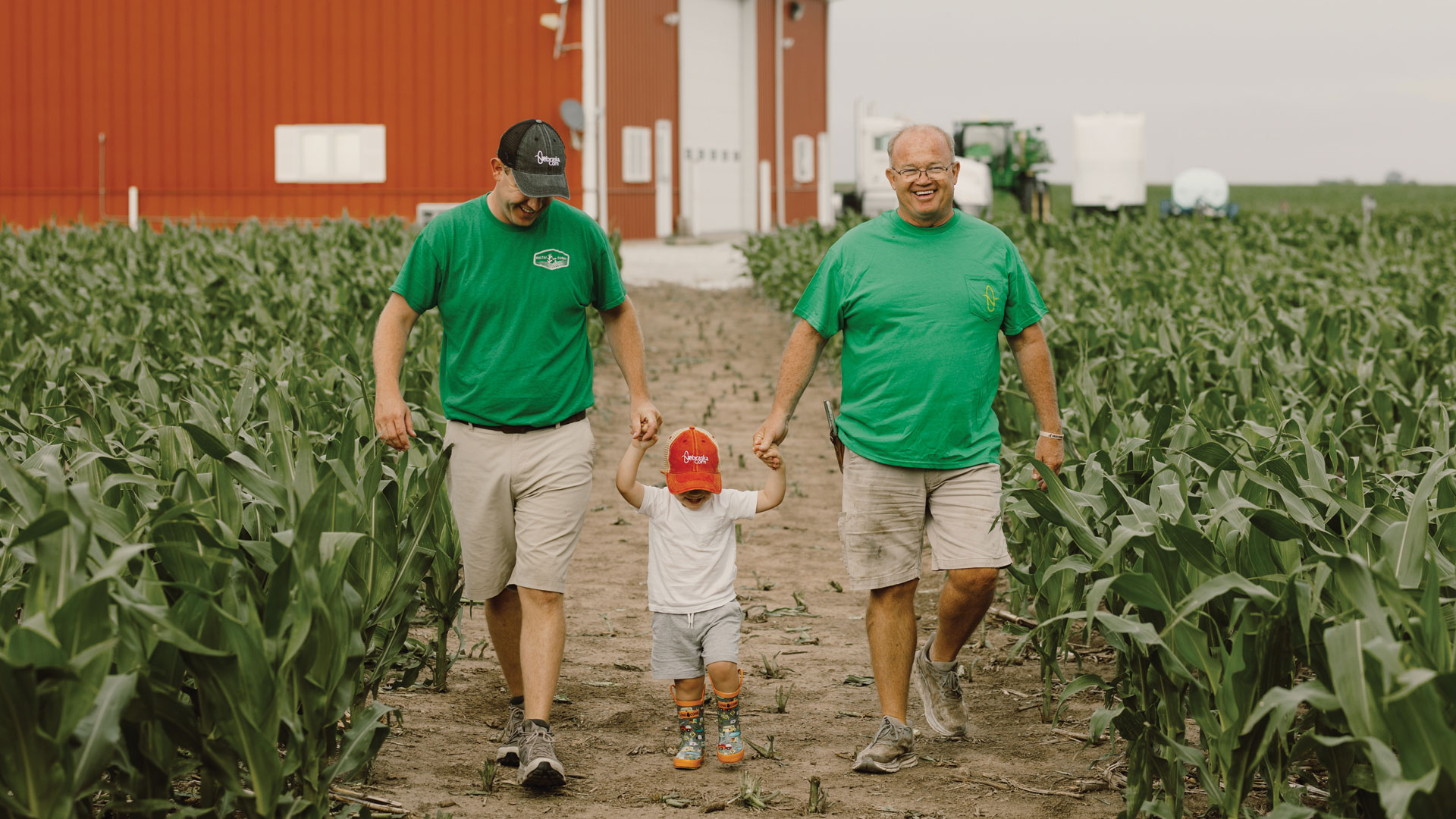
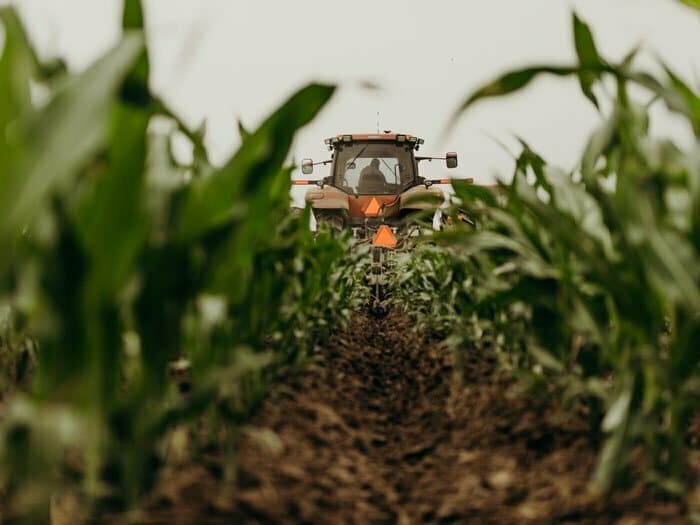
Across much of central Nebraska, farmland adjoins towns, communal waterways and residential areas. Because what happens on the land affects everyone, open communication between producers, neighbors and communities is extremely critical. Nebraska’s Natural Resources [...]
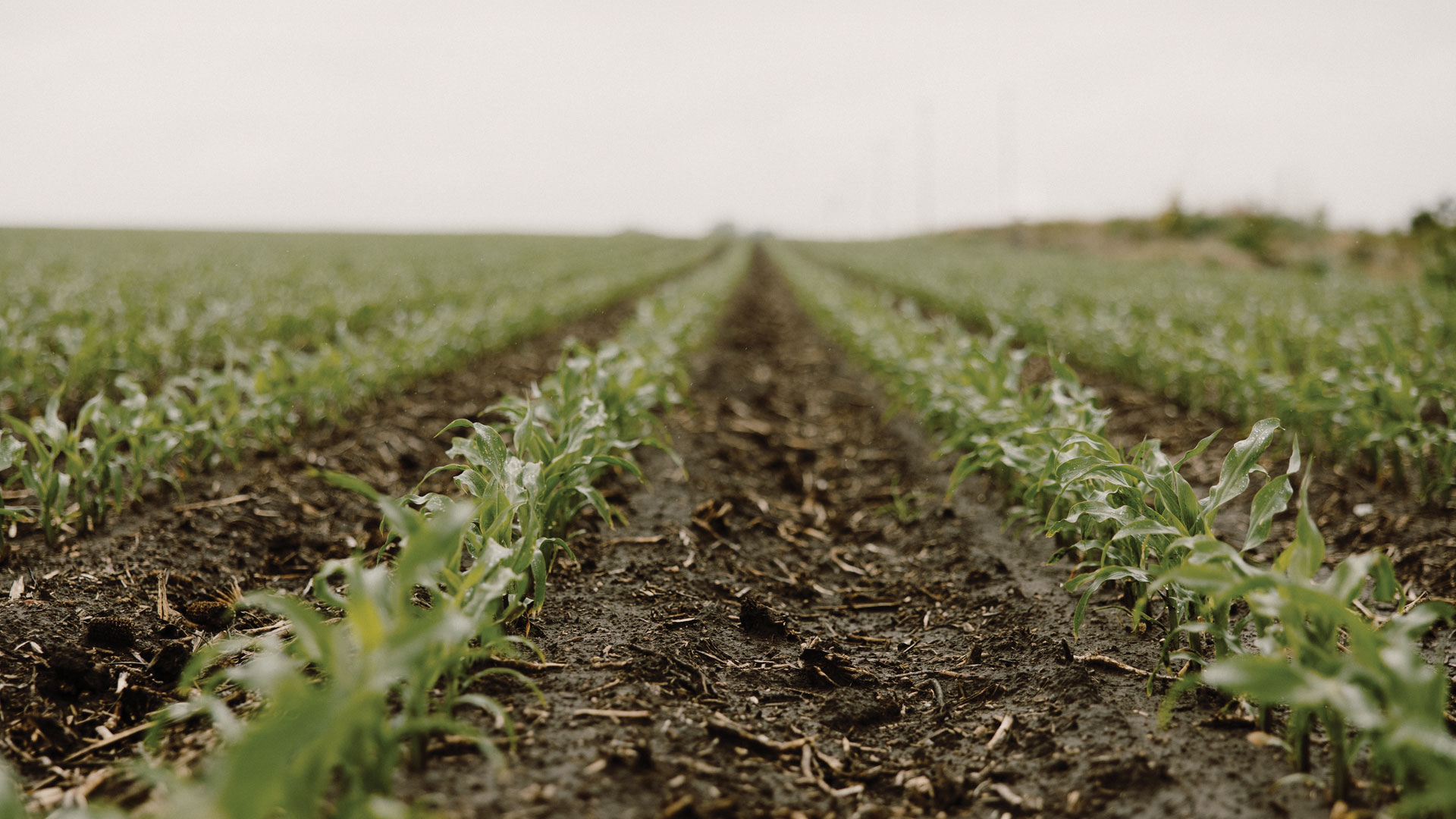
From the Missouri River to the Wyoming border, Nebraska stretches across hundreds of miles of changing soils, climates and growing conditions. To outsiders, it may look like one continuous agricultural landscape. But farmers know [...]
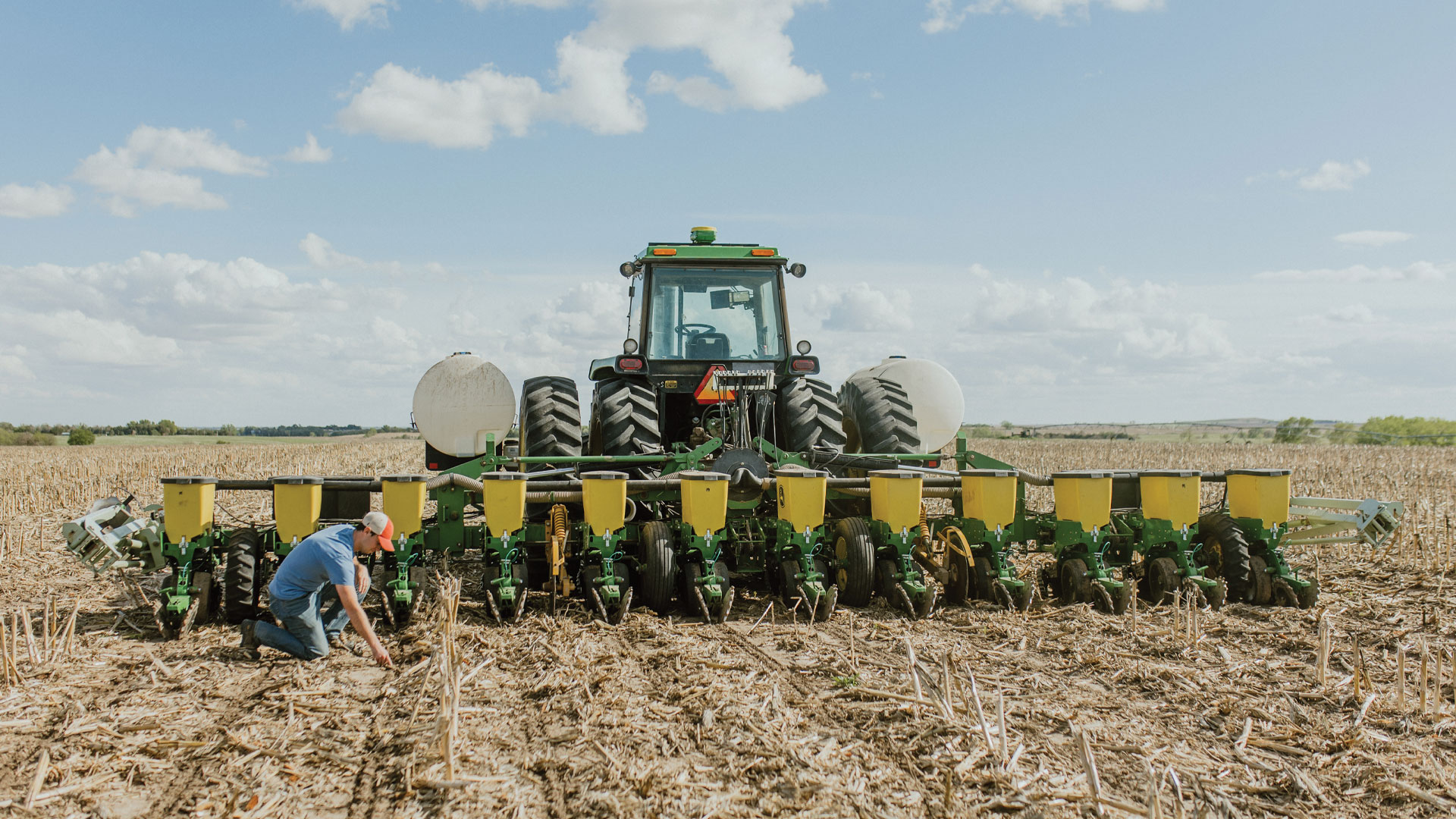
Dryland corn farming, where crops depend entirely on rainfall rather than irrigation water, has always been an exercise in judgment. Without the predictability of irrigation, farmers make real-time decisions based on weather, soil conditions [...]